The Terracotta Kylix and the Architecture of Restraint: A Dialogue for 2026 Old Money Silhouettes
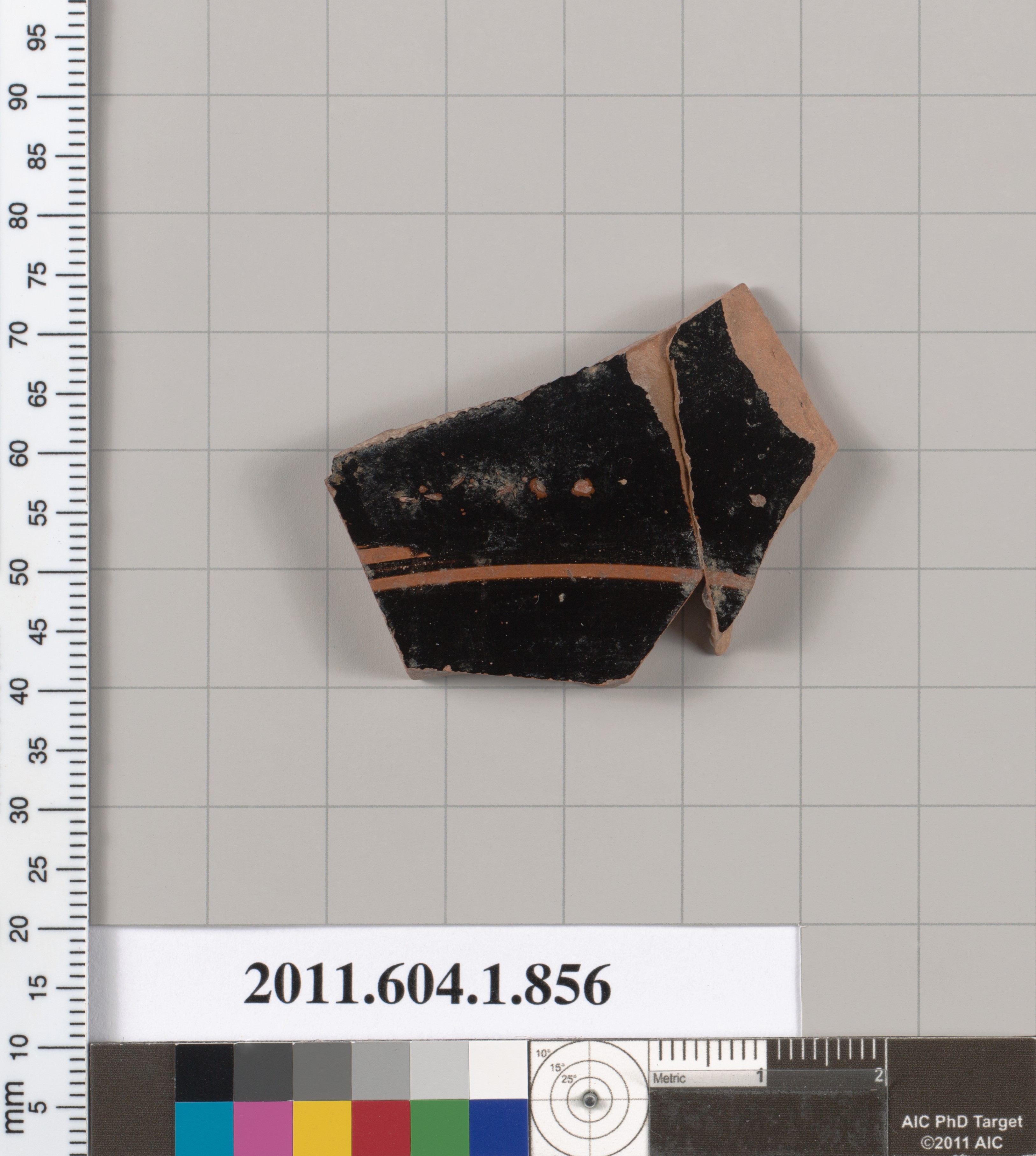
In the crucible of heritage research, the seemingly remote artifact—a terracotta fragment of a Greek Attic kylix—offers a profound lexicon for the 2026 Old Money silhouette. This drinking cup, broken yet eloquent, speaks not of opulence but of an economy of form, a disciplined geometry that resonates with the Lauren Fashion Heritage Lab’s core genetic code: the synthesis of Eastern “embodied wisdom” and Western “symbolic tension.” The kylix, with its shallow bowl, twin handles, and painted tondo, is a vessel of containment—much like the Bowl with Ducks among Waves and Reeds from Delft, which captures the infinite within the finite. Yet it also embodies the theatricality of The Temptation of Saint Anthony, where the interior struggle is externalized through form. For 2026, this fragment informs a silhouette that is both a sanctuary and a stage: a garment that encloses the body in quiet power while projecting an unspoken narrative of lineage and self-possession.
Containment as Aesthetic: The Kylix’s Geometry of Silence
The kylix is defined by its circularity and balance. Its tondo—the central medallion—is a microcosm of order, often depicting a single figure or motif against a black-glazed field. This is not the chaotic expansion of Bosch’s hellscapes but a “收束的” (collected) beauty, akin to the Delft bowl’s concentric ripples. The fragment’s broken edge reveals the raw terracotta beneath the slip, a reminder of time’s erosion, yet the surviving curve retains its perfect arc. For the 2026 Old Money silhouette, this translates into a shoulder line that is neither sharp nor soft, but a continuous, unbroken curve—a nod to the kylix’s rim. Jackets and coats will feature raglan sleeves that flow from the shoulder without a harsh seam, creating a silhouette that is “limited yet infinite”: the body is contained, but the line suggests an unending horizon. The terracotta’s warm, earthy tone—a muted umber—becomes a foundational color for heritage black ensembles, grounding them in a tactile, archaeological reality rather than abstract luxury.
This geometry of silence is further echoed in the kylix’s low, open form. Unlike a deep chalice, the kylix invites the drinker to recline, to pause. The 2026 silhouette will adopt a similar horizontal emphasis: wider lapels on double-breasted blazers, trousers with a gentle flare from the knee, and skirts that skim the ankle without pooling. This is not the exaggerated width of 1980s power dressing but a measured expansion, like the kylix’s handles that extend just enough to be grasped. The fabric—wool or cashmere—will drape with a “冰裂般的” (crackle-ice) texture, achieved through a twill weave that mimics the kylix’s painted lines. The result is a garment that breathes with the wearer, a second skin of controlled elegance.
Symbolic Tension: The Tondo as Moral Stage
Yet the kylix is not merely a vessel of repose. Its tondo is a stage, a miniature theater where myth and morality play out. In Greek symposia, the kylix was passed among men, its painted interior revealed only when the cup was drained—a moment of revelation akin to the Temptation of Saint Anthony’s unfolding horror. The fragment’s surviving imagery—perhaps a satyr or a warrior—hints at this “无限的冲突” (infinite conflict) between order and chaos. For 2026, this translates into interior detailing that is hidden until the garment is opened or the wearer moves. A trench coat might reveal a silk lining printed with a geometric pattern derived from the kylix’s tondo—a subtle, personal narrative. A blazer’s interior pocket could be trimmed in a contrasting terracotta twill, a whisper of the archaeological fragment. This is the “以象征心” (symbolizing the heart) principle: the garment becomes a repository of private meaning, a talisman against the void.
The kylix’s handles, too, offer a lesson in asymmetry and balance. Often painted with palmettes or meander patterns, they are functional yet decorative. The 2026 silhouette will incorporate asymmetric closures—a single-button fastening on a double-breasted jacket, a side-zip on a pencil skirt—that echo the kylix’s off-center handles. This asymmetry is not random but geometric, a deliberate disruption of symmetry that creates visual tension. It mirrors the Delft bowl’s ducks, which are placed not in the center but at the edge of the ripples, suggesting movement within stillness. The wearer of such a garment is both anchored and dynamic, a figure of quiet authority who commands attention without seeking it.
Materiality and Time: The Terracotta Imperative
The kylix’s terracotta—fired clay, porous and warm—is a material of impermanence and resilience. Unlike the pristine porcelain of Delft, terracotta bears the marks of its making: fingerprints, tool marks, the slight irregularity of the wheel. For 2026, this inspires a return to tactile, unpolished fabrics. Heritage black will be rendered in wool crepe with a matte finish, cashmere with a slight slub, or linen with a natural, unbleached edge. These materials are not “perfect” in the industrial sense; they are “温润” (warm and moist) like the Delft bowl’s crackle, or “战栗” (trembling) like Saint Anthony’s landscape. They invite touch, they age gracefully, they tell a story of time. The silhouette itself will be unlined or partially lined, allowing the fabric’s reverse to be seen—a nod to the kylix’s exposed terracotta interior. This is a garment that does not hide its construction but celebrates it as a form of honesty, a rejection of the superficial.
Conclusion: The Kylix as a Bridge Between Two Poles
In the end, the terracotta kylix fragment is not a relic but a living blueprint for the 2026 Old Money silhouette. It embodies the Delft bowl’s “有限中的无限” (infinity within finitude) through its contained, circular form, and the Saint Anthony painting’s “无限的冲突” (infinite conflict) through its hidden tondo narrative. The silhouette it inspires is one of restrained power: a jacket that hugs the shoulders like a kylix’s rim, a trouser that flows like the cup’s curve, a lining that reveals a private mythos. It is a garment for the “诗意栖居” (poetic dwelling) of the modern individual—a shelter from the chaos of the digital age, yet a stage for the drama of selfhood. As the Lauren Fashion Heritage Lab synthesizes these ancient codes, we find that the kylix’s broken edge is not a flaw but a threshold, inviting us to step into a future where heritage is not static but alive, and where the Old Money silhouette is not a uniform but a philosophy of being.