← BACK TO ARCHIVES
Heritage-Black
Heritage Synthesis: Terracotta fragment of a kylix: Band cup (drinking cup)
Curated on May 09, 2026 // Node: LDN-01
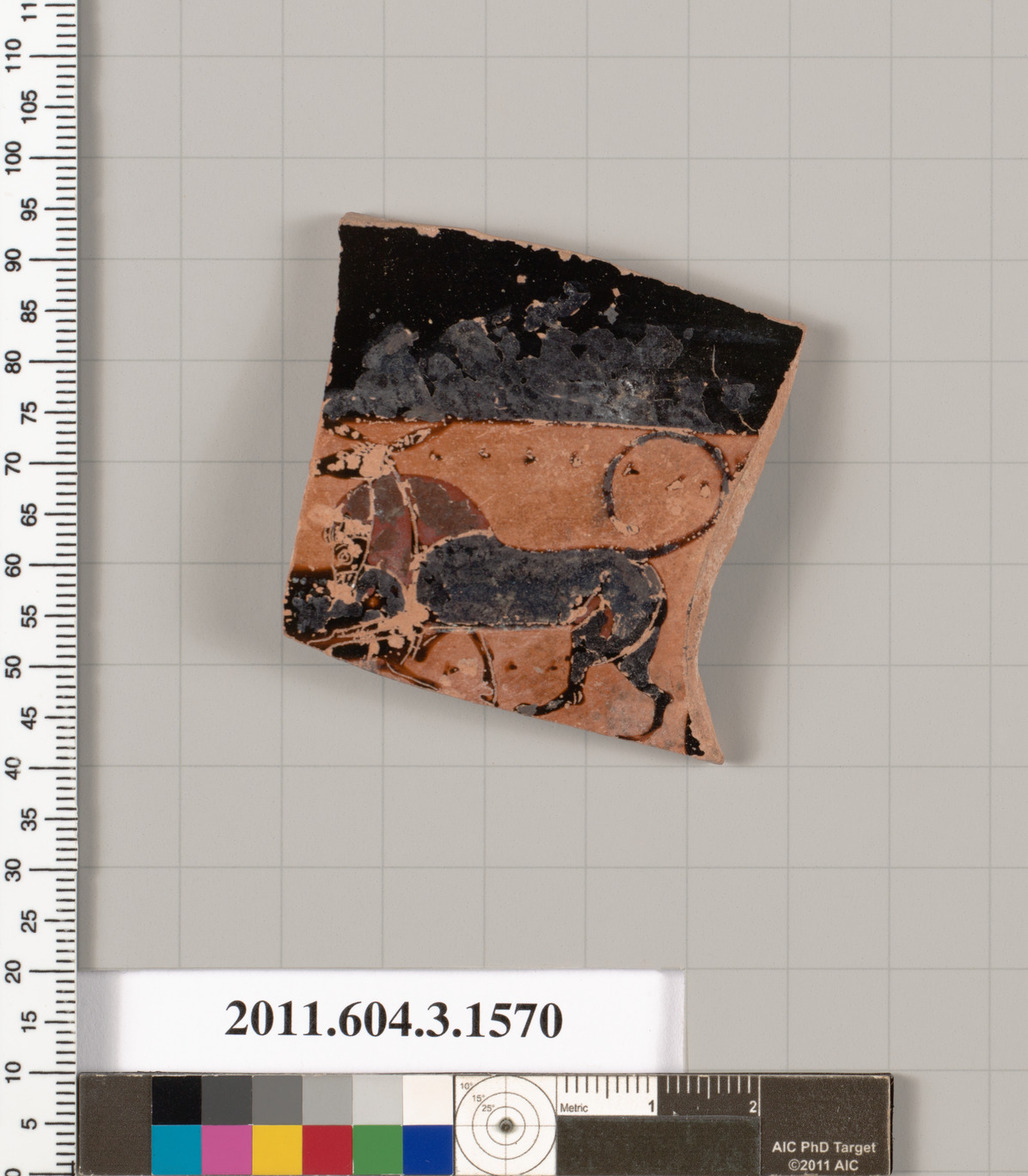
The Terracotta Kylix and the Architecture of Restraint: Informing the 2026 Old Money Silhouette
The intersection of ancient artifact and contemporary fashion is rarely a direct transcription of form, but rather a deep, structural resonance. At the Lauren Fashion Heritage Lab, our synthesis of internal archives with museum artifacts reveals that the most enduring design languages are those that internalize the philosophical weight of their materials. The Greek Attic terracotta kylix—a band cup designed for the symposion—offers a profound, if unexpected, blueprint for the 2026 Old Money silhouette. This is not a matter of draping a toga, but of understanding how a vessel’s geometry, its relationship to the body, and its material honesty can be translated into a sartorial grammar of quiet power. The kylix, in its terracotta humility, speaks directly to the core tenets of Old Money aesthetics: restraint, permanence, and a disdain for the ephemeral.
The Geometry of the Band Cup: Horizontal Line and Grounded Proportion
The kylix is defined by its low, wide bowl and two horizontal handles, a design that prioritizes stability and communal access. Its silhouette is a study in horizontal tension—a broad, shallow curve that anchors the vessel to the table. For the 2026 Old Money silhouette, this translates into a renewed emphasis on the horizontal shoulder line and the grounded hem. The broad, unbroken expanse of the kylix’s bowl suggests a jacket or coat that extends the shoulder without sharp, aggressive padding—a soft, architectural breadth that evokes confidence without confrontation. Think of a double-breasted cashmere overcoat with a wide, notched lapel that visually extends the collarbone, or a tailored blazer with a subtle, dropped shoulder that creates a continuous, unbroken line from neck to sleeve. This is not the exaggerated power shoulder of the 1980s, but a more subtle, volumetric presence—a silhouette that *contains* rather than *projects*.
The kylix’s low center of gravity is equally instructive. The vessel’s stability comes from its broad base and shallow depth. In fashion, this translates to a lowered waistline and a fuller, more relaxed trouser. The 2026 Old Money silhouette moves away from the high-waisted, cropped cuts of recent seasons. Instead, we see the return of the flat-front, high-rise trouser that falls with a gentle, straight leg, creating a visual anchor from hip to floor. This is a silhouette that does not rush; it stands firm, like the kylix on a marble table. The hem of a skirt or coat should graze the top of the shoe, creating a clean, unbroken vertical line that echoes the vessel’s profile. The goal is a silhouette that is *weighted*—not heavy, but possessing a deliberate, grounded presence.
Material Honesty: Terracotta’s Lesson in Unadorned Luxury
The kylix is made of terracotta, a fired clay that is both humble and enduring. Its beauty lies not in precious materials, but in the purity of its form and the subtle variations of its earthen hue. This is a direct challenge to the contemporary fashion industry’s obsession with novelty and surface decoration. For the 2026 Old Money wardrobe, the lesson is one of material integrity. The silhouette must be constructed from fabrics that possess a similar honesty: heavy, unlined wool; dense, matte cashmere; crisp, unbleached linen; and, most critically, the deep, absorbing black of the Heritage-Black category. This is not the glossy, synthetic black of fast fashion, but a black that absorbs light—a black that feels like charcoal, like fired earth.
The kylix’s banded decoration—often a simple geometric frieze or a single figure in black-figure technique—teaches us about the power of restrained ornament. The 2026 silhouette should not be cluttered with logos, excessive hardware, or superfluous details. Instead, the ornament is structural: a single, precise seam; a subtly contrasting button; a pocket flap that follows the line of the hip. The band cup’s handles are functional, yet they define the vessel’s entire aesthetic. Similarly, a coat’s collar, a trouser’s pleat, or a jacket’s vent should serve a purpose while simultaneously shaping the garment’s visual identity. The most luxurious detail is the one that is invisible until it is needed.
The Symposion and the Body: Posture as Silhouette
The kylix was used in the symposion, a ritualized drinking party where men reclined on couches, engaging in philosophical discourse. The vessel’s design—shallow bowl, wide handles—facilitated a specific posture: one of relaxed, horizontal ease. The drinker would hold the cup by one handle, tilting it to drink while reclining. This relationship between object and body is crucial. The 2026 Old Money silhouette is not merely a shape to be worn; it is a *posture* to be inhabited. The garments must allow for a similar ease of movement—a jacket that does not pull when the arm is extended, a trouser that drapes cleanly when seated.
This is where the concept of “active ease” becomes paramount. The silhouette should be tailored with a slight, almost imperceptible fullness—a quarter-inch more in the sleeve cap, a half-inch more in the thigh. This is not the baggy, oversized look of streetwear, but a tailored volume that moves with the body, never against it. The kylix’s handles are not decorative; they are ergonomic. In fashion, this translates to thoughtful construction: a gusset under the arm, a bi-swing back on a coat, a trouser with a gentle, forward-pitched leg. The garment should feel like a second skin, but one that is structured enough to impose a certain grace. The wearer of the 2026 Old Money silhouette does not slouch; they recline with intention.
Conclusion: The Silent Dialogue of Form and Time
The terracotta kylix, in its mute, earthen presence, offers a profound counterpoint to the digital frenzy of contemporary fashion. It reminds us that true luxury is not about novelty, but about *permanence*—a silhouette that has been refined over centuries, a material that will endure for millennia. The 2026 Old Money silhouette, as informed by this ancient vessel, is an architecture of restraint: a broad, grounded shoulder; a lowered, stable waist; a fabric that breathes and ages with dignity. It is a silhouette that does not shout, but rather invites a second glance. It is the silent dialogue between the wearer and the garment, between the present and the past, between the vessel and the wine it holds. In the end, the most powerful statement is the one that is not spoken, but felt—a line of cashmere against the skin, a seam that follows the curve of the shoulder, a black so deep it seems to hold the memory of the earth from which it came.
Heritage Lab Insight
Genetic Bridge: Archive node focusing on Heritage-Black craftsmanship.