← BACK TO ARCHIVES
Silk
Heritage Synthesis: Fish and Plants
Curated on May 10, 2026 // Node: LDN-01
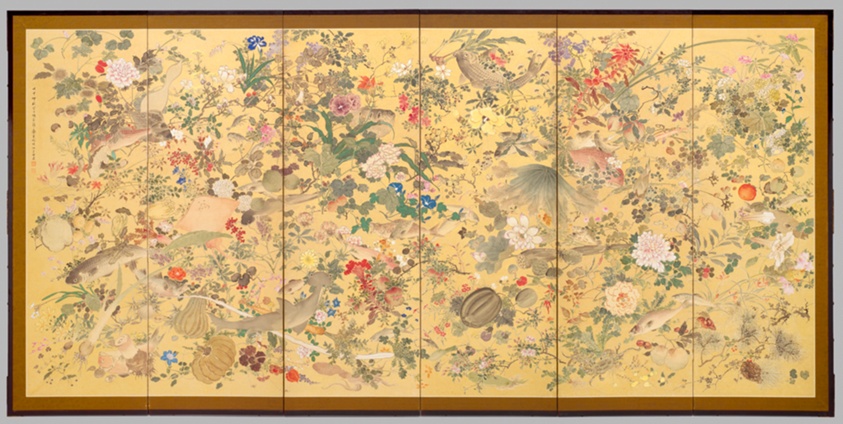
The Artifact as Archive: A Six-Panel Screen of Fish and Plants
Within the hushed corridors of Lauren Fashion Heritage Lab, we encounter an object that transcends mere decoration. This is a single six-panel screen, a *byobu* in the classical Japanese tradition, executed in ink, color, and gold on silk. Its subject—a serene interplay of fish and aquatic plants—belies a profound material and cultural narrative. For the house of Lauren, which draws deeply from the wellspring of global craftsmanship, this artifact is not a relic but a living document of how luxury is woven from the threads of nature, technique, and time. It is a masterclass in the silent language of elegance, a language spoken fluently on Savile Row and in the ateliers of Kyoto.
Materiality: The Silk Canvas and the Alchemy of Gold
The screen’s foundation is its most eloquent statement. The silk itself is not a neutral ground but an active participant. Hand-loomed from the filaments of *Bombyx mori*, the fabric possesses a natural, irregular sheen—a subtle luster that catches and refracts light differently with each passing hour. This is not the flat, uniform shine of synthetic alternatives; it is a living surface, one that breathes and shifts. The application of ink and color on such a material demands an almost surgical precision. The silk absorbs the pigment, bleeding and blooming in ways that cannot be fully controlled, requiring the artist to work in a state of fluid negotiation with the fabric. This is the antithesis of the rigid, structured tailoring of a Savile Row suit, yet it shares the same philosophy: mastery is revealed not in domination, but in harmonious collaboration with the material.
The use of gold leaf, applied in delicate, almost imperceptible flakes, elevates the piece from a painting to a luminous object. Gold on silk is not mere ornament; it is a structural element of light. It catches the ambient glow of a room, creating a dynamic interplay of shadow and brilliance. In the context of the screen’s subject, the gold suggests the shimmer of sunlight on water, the fleeting glint of a fish’s scale, or the ethereal quality of a world suspended between air and liquid. This technique, known as *kinpaku*, requires the artist to lay the gold with a breath-like touch, for any pressure would tear the silk. It is a discipline of restraint, a lesson in how the most opulent effects are often born from the most delicate of gestures.
Subject and Symbolism: The Ecology of Elegance
The screen depicts a tranquil aquatic scene: carp, or *koi*, gliding through stylized currents of water, their forms interwoven with lotus leaves, reeds, and flowering plants. This is not a literal representation of nature but a symbolic one, rooted in the aesthetics of the *Rinpa* school. The fish, particularly the carp, are potent symbols of perseverance and transformation. In Japanese lore, the carp that swims upstream to become a dragon is an emblem of ambition and transcendence—qualities that resonate deeply with the ethos of a fashion house built on aspiration and enduring style.
The plants are equally deliberate. The lotus, rising from murky waters to bloom pristine, represents purity and rebirth. The reeds, bending without breaking, speak of resilience and grace under pressure. Together, the fish and plants create a microcosm of balance, a visual haiku on the interdependence of life. This is not a static tableau; the composition is dynamic, with the fish moving in a gentle S-curve across the six panels, guiding the viewer’s eye in a rhythmic dance. The negative space—the areas of unpainted silk—is as crucial as the imagery itself. It evokes the stillness of water, the pause between breaths, the quiet that allows beauty to be perceived. In the language of luxury, this is the equivalent of a perfectly cut silhouette that relies on what is not there as much as what is.
Craftsmanship and Context: The Savile Row of Silk
To understand this screen is to understand a tradition of craftsmanship that parallels the bespoke tailoring of London’s Savile Row. Just as a master tailor spends years learning to cut a jacket that drapes flawlessly on a single client, the artist of this screen has spent a lifetime mastering the handling of silk, the grinding of pigments, and the laying of gold. The six-panel format is itself a discipline; each panel must function as an independent composition while contributing to a unified whole. This is the same principle that governs a three-piece suit: each element—jacket, waistcoat, trousers—must stand alone yet harmonize in form and fabric.
The screen’s provenance, likely from the late Edo or early Meiji period, places it at a crossroads of tradition and modernity. It was created in an era when Japan was opening to the West, and such screens were exported as exotic luxuries for European and American collectors. Yet its craftsmanship remains uncompromised. The use of natural pigments—indigo for the water, malachite for the leaves, cinnabar for the fish—ensures a depth of color that synthetic dyes cannot replicate. These pigments, ground from minerals and plants, age gracefully, developing a patina that enriches the piece over decades. This is the antithesis of fast fashion; it is an investment in permanence, a commitment to beauty that endures.
Implications for Lauren Fashion Heritage Lab
For the Lauren brand, this artifact is a touchstone. It embodies principles that are central to our design philosophy: the reverence for natural materials, the pursuit of fluid elegance, and the belief that luxury is a marriage of art and utility. The screen’s subject—fish and plants—is a reminder that fashion, like nature, is cyclical. Trends may shift, but the fundamentals of proportion, texture, and light remain constant. The gold on silk teaches us that opulence need not be loud; it can be a whisper, a glint, a subtle elevation of the everyday.
In preserving and studying this screen, we are not merely cataloguing a historical object. We are decoding a language of craftsmanship that informs our own work. The discipline of the *byobu* artist—the patience, the precision, the willingness to let the material guide the hand—is the same discipline that shapes a perfectly draped gown or a flawlessly tailored jacket. This screen is a heritage research artifact of the highest order, a testament to the fact that true elegance is never outdated. It is, in the end, a conversation between the hand and the heart, between the fish that swims against the current and the plant that blooms in stillness. And in that conversation, we find the enduring soul of luxury.
Heritage Lab Insight
Lab Insight: AIC Silk Archive Node #191599.