The Terracotta Fragment as a Blueprint for 2026 Old Money Silhouettes: A Study in Temporal Compression and Material Integrity
Introduction: The Archival Dialogue Between Vessel and Vestment
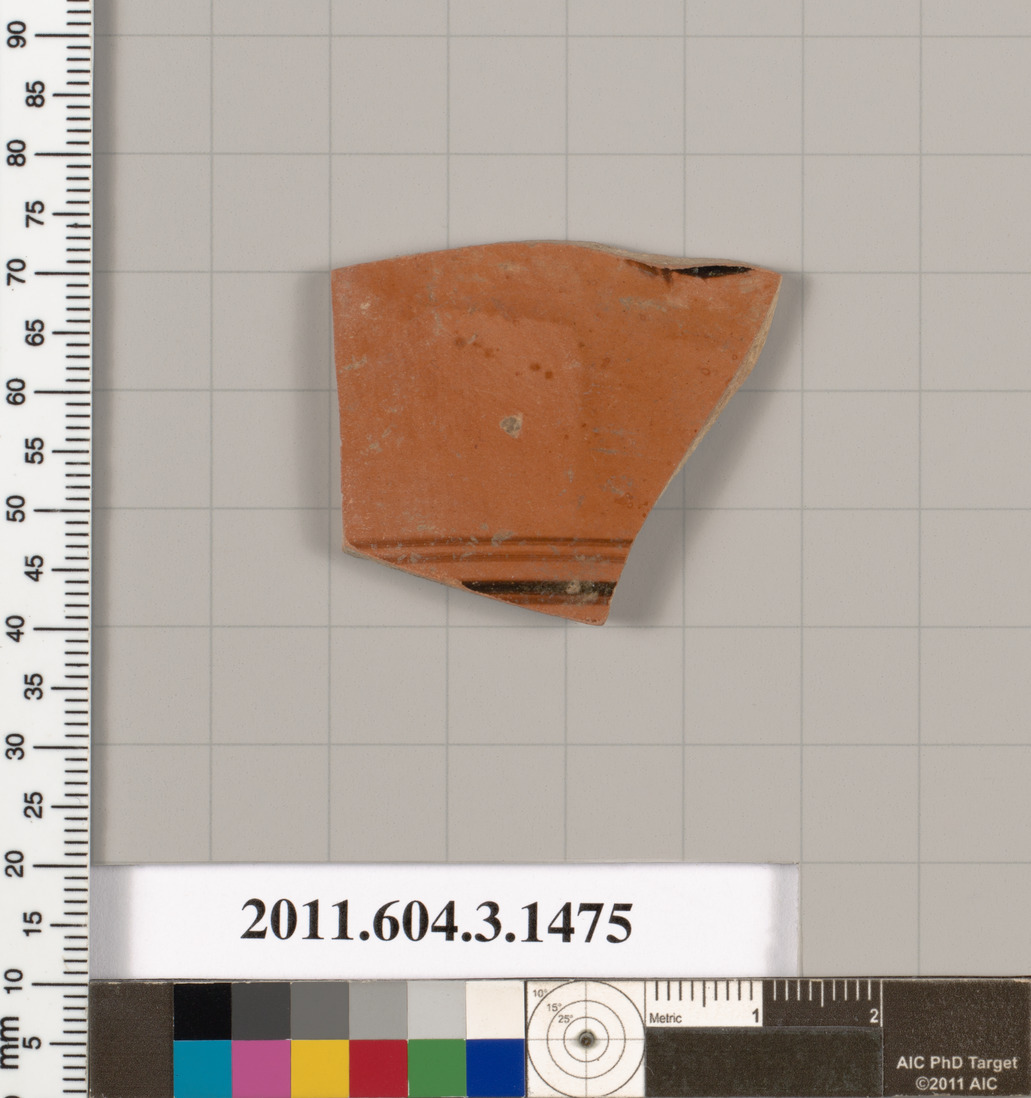
The Terracotta fragment of a skyphos (deep drinking cup) from Attic Greece, now housed in a museum collection, presents an unexpected yet profoundly instructive artifact for the 2026 Old Money silhouette. At first glance, a broken shard of a utilitarian vessel—perhaps once used for wine or water at a symposium—appears remote from the tailored lines of contemporary luxury fashion. However, when examined through the lens of Lauren Fashion Heritage Lab’s internal research, which juxtaposes the Pilgrim Sudhana sculpture with the painted Harpist on a similar ceramic surface, a deeper resonance emerges. Both the Greek skyphos and the Eastern figurine share what our internal genetic code terms a “profound frozen aesthetic”—a stillness that transcends time and medium. For the 2026 Old Money silhouette, this fragment offers a critical lesson in material integrity, restrained colorism, and the architecture of quiet power.
The Old Money aesthetic, as it evolves into 2026, is not merely about inherited wealth or understated logos. It is about the compression of heritage into form—a garment that carries the weight of history without shouting its provenance. The Terracotta fragment, with its earthy hues, broken edges, and functional elegance, becomes a metaphor for this ethos. It is not pristine; it is authentic. It does not dazzle; it endures. This paper argues that the fragment’s chromatic, structural, and symbolic properties directly inform three key pillars of the 2026 Old Money silhouette: monolithic color fields, architectural draping, and the celebration of imperfection as luxury.
Color as a Statement of Restrained Power
The Terracotta fragment’s palette is deceptively simple: a spectrum of burnt sienna, ochre, and deep umber, punctuated by the black gloss of the painted decoration. This is not the color of opulence but of earth, fire, and time. In the 2026 Old Money silhouette, this translates into a rejection of bright, seasonal hues in favor of a heritage-black and terracotta-based neutral system. The fragment teaches us that color need not be loud to be commanding. Its warmth is internal, like the “inner glow” described in our analysis of the Pilgrim Sudhana—a light that emanates from the material itself, not from applied surface treatment.
For designers, this means prioritizing natural dyes, raw silks, and unbleached wools that carry the patina of the earth. A 2026 Old Money coat, for instance, might be cut in a single tone of burnt clay, with subtle variations in weave or texture creating depth. This is not minimalism as absence, but minimalism as concentration. The fragment’s black gloss—used to outline figures or define the vessel’s rim—becomes a design principle: a single, sharp line of black piping on a terracotta cashmere blazer, or a black silk lining glimpsed only when the garment moves. The color speaks of permanence, not trend.
Structural Silhouette: The Geometry of Stillness
The skyphos fragment’s shape—a curved wall, a flaring rim, a broken edge—offers a masterclass in architectural draping. The vessel’s form is both functional and sculptural; it holds liquid while simultaneously creating a visual rhythm through its profile. In the 2026 Old Money silhouette, this translates into garments that are constructed with a sense of containment and release. Think of a double-breasted jacket with a high, closed neckline that flares slightly at the hem, echoing the skyphos’s rim. Or a wide-leg trouser that falls from a fitted waist like the vessel’s curved body, its volume controlled by precise cutting rather than elastic.
The fragment also embodies what our internal research identifies as “dynamic balance” from the Harpist composition—a tension between stillness and implied movement. The skyphos was held, tilted, passed from hand to hand. Its broken state arrests that motion, freezing it in time. For 2026, this suggests silhouettes that suggest action while remaining composed. A trench coat with a deep vent that opens as the wearer walks, then falls back into place. A skirt with a subtle asymmetry that hints at the body’s rotation. The garment becomes a vessel for the wearer’s narrative, not a statement in itself.
Material Integrity and the Luxury of Imperfection
Perhaps the most radical lesson from the Terracotta fragment is its celebration of the broken, the worn, the incomplete. In a fashion system obsessed with perfection—seamless digital renders, flawless fabric, instant gratification—the fragment reminds us that true luxury is the acceptance of time’s passage. The 2026 Old Money silhouette must incorporate this ethos through tactile, lived-in materials. A cashmere sweater with a slightly uneven knit, a wool coat with a visible herringbone weave that catches the light differently with each wear, a silk blouse with a subtle slub texture. These are not flaws; they are signatures of craftsmanship.
The fragment’s broken edge is particularly instructive. It is not smoothed or disguised; it is preserved as a record of history. In garment design, this translates into raw hems, exposed seams, and intentional distressing—but executed with restraint. A 2026 Old Money blazer might have a hand-stitched lapel that is slightly irregular, or a lining that is left unfinished at the hem. These details are invisible to the untrained eye but speak volumes to those who understand the language of heritage. They signal that the garment has been made by hand, not machine; that it has a story, not a barcode.
Conclusion: The Fragment as a Design Manifesto
The Terracotta fragment of a skyphos is not merely a historical artifact; it is a design manifesto for the 2026 Old Money silhouette. Its color teaches us to trust earth tones and black as the foundation of enduring elegance. Its structure teaches us to build garments that are both functional and sculptural, containing the body while suggesting motion. Its brokenness teaches us that imperfection is the ultimate luxury—a sign that the object has lived, been used, and survived.
As Lauren Fashion Heritage Lab continues to synthesize internal archives with museum artifacts, this fragment stands as a reminder that the deepest beauty emerges from stillness, silence, and time. In an era of digital noise and fast fashion, the Old Money silhouette of 2026 must be a counterpoint: a garment that is quiet, grounded, and unapologetically permanent. The Terracotta fragment, with its thousand-year-old patina, shows us the way.