The Immortal Vessel: Terracotta Fragments and the Architecture of Timelessness in 2026 Old Money Silhouettes
Introduction: The Archaeology of Style
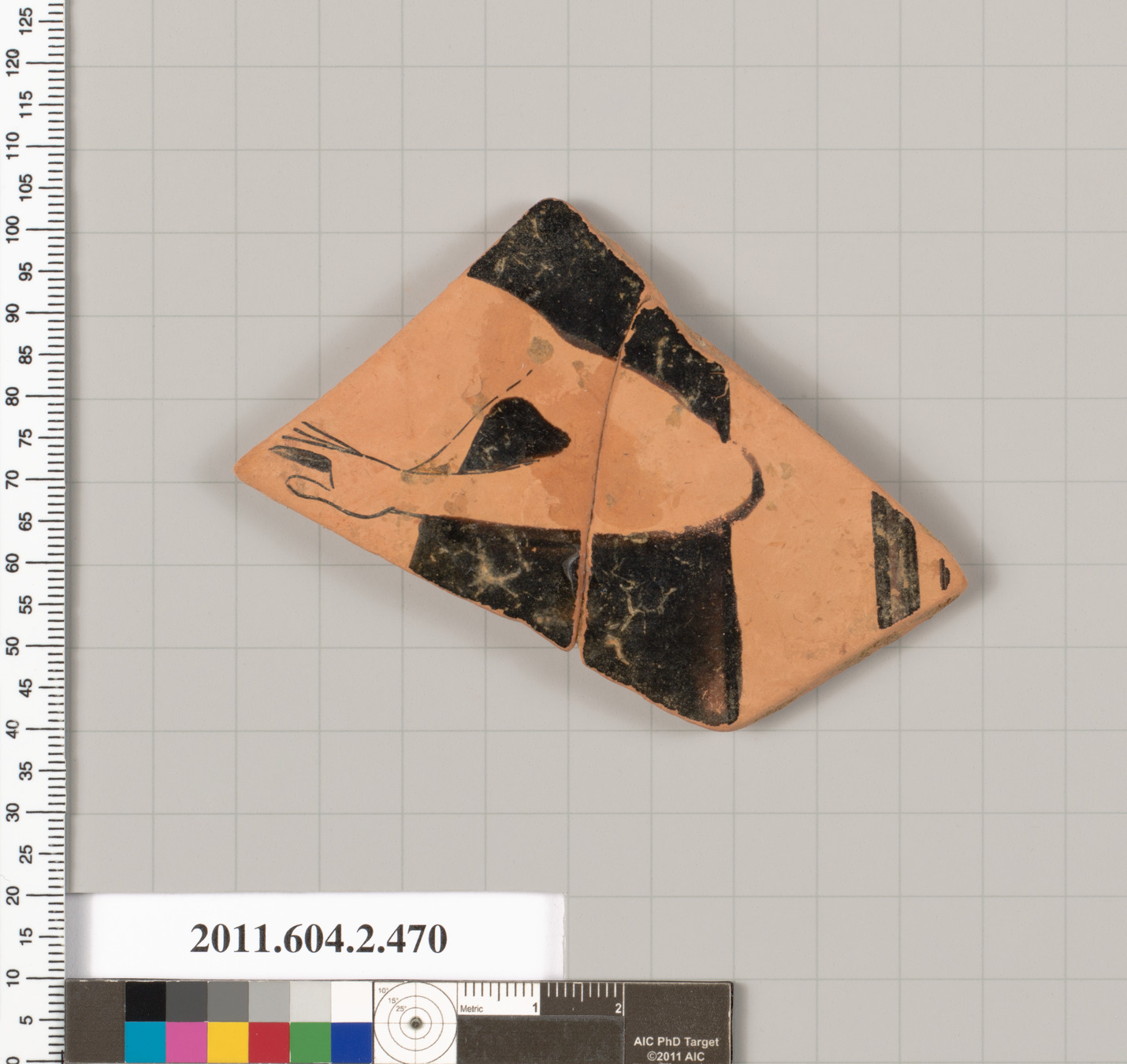
The Lauren Fashion Heritage Lab has long maintained that the most enduring design languages are not invented but excavated—unearthed from the sediment of human civilization where form, function, and philosophical intent converge. The terracotta fragment of an Attic column-krater (circa 450 BCE), a vessel designed for the ritual mixing of wine and water at symposia, offers a profound archaeological lens through which to decode the 2026 Old Money silhouette. This fragment, with its painted narrative of a symposium scene, is not merely a decorative artifact; it is a tectonic blueprint for how luxury fashion can embody what the Lab’s internal genetic code identifies as the “deep essence of aesthetics”—the courageous gaze upon existence itself. Just as the column-krater’s painted figures freeze a moment of philosophical conviviality, and just as the Eastern Jar (Hu) holds time within its glaze, this Greek shard instructs us that the 2026 Old Money silhouette must be a vessel for heritage, not a display of novelty.
The Column-Krater as Structural Archetype
The column-krater’s defining feature is its architectonic clarity. Its broad, swelling body is counterbalanced by a narrow foot and two vertical handles that rise like columns, framing the vessel’s volume. This tripartite structure—base, body, and crown—mirrors the classical ideal of proportion that underpins the Old Money aesthetic. In 2026, this translates directly into silhouettes that prioritize shoulder-to-hip ratios reminiscent of Doric columns: a strong, defined shoulder line (the “capital”), a tailored, uncluttered torso (the “shaft”), and a grounded, weighted hemline (the “stylobate”). The terracotta fragment’s surviving handle, a graceful arc of fired clay, becomes a metaphor for the sleeve architecture that defines the season’s double-breasted blazers and structured overcoats. The handle is not decorative; it is functional, creating a negative space that frames the body’s movement. Similarly, the 2026 silhouette’s sleeve—cut with a precise, slightly dropped shoulder and a clean, unvented cuff—creates a “vessel” for the arm, allowing the garment to drape without clinging. This is the antithesis of the contemporary “soft tailoring” trend; it is a return to the ceramic logic of the krater, where the garment’s structure is its content.
Narrative and the “Death of Socrates” Dialectic
The Lab’s internal genetic code juxtaposes the Death of Socrates with the Jar (Hu) to illustrate a fundamental aesthetic tension: the West’s pursuit of truth through dramatic narrative versus the East’s revelation of truth through silent presence. The column-krater fragment, with its painted symposium scene, occupies a middle ground. It is a vessel that contains narrative—the painted figures engage in dialogue, their gestures frozen in a moment of intellectual exchange. Yet the vessel itself is a silent container, a functional object that outlives the story it depicts. For 2026 Old Money silhouettes, this duality is crucial. The garments must not be “costumes” that tell a specific story (e.g., a 1920s flapper dress or a 1980s power suit). Instead, they must be vessels for the wearer’s own narrative. The terracotta fragment teaches us that the most powerful narrative is the one the observer projects onto the form. A single-breasted, peak-lapel jacket in a dense, unpatterned wool—what the Lab calls “Heritage-Black”—is not a statement; it is a frame. Its lapels, like the krater’s handles, create a visual rhythm that directs the eye upward to the face, the true locus of narrative. The garment’s “silence” allows the wearer’s presence to become the drama, echoing the Jar (Hu)’s capacity to hold time within its glaze.
Materiality and the Terracotta Aesthetic
The terracotta fragment’s materiality—its rough, unglazed surface, its visible firing marks, its chipped edges—is the most direct influence on the 2026 silhouette’s fabric choices. Old Money luxury has historically been associated with smooth, refined surfaces: vicuña, cashmere, super-150s wool. The terracotta fragment challenges this orthodoxy. Its beauty lies in its imperfection, in the way it bears witness to the fire that created it. The 2026 silhouette responds by embracing textured, “lived-in” fabrics that mimic the ceramic’s tactile honesty. Think of a double-faced wool-cashmere blend with a slightly napped surface, or a worsted flannel with a visible, irregular weave. These fabrics do not repel touch; they invite it. They are the sartorial equivalent of the krater’s “fire marks”—evidence of the garment’s making. The weight of the fabric is equally critical. The column-krater’s thick walls give it a sense of gravity and permanence. The 2026 silhouette demands fabrics with substantial drape, not limpness. A 400-gram wool flannel trouser, cut with a full leg and a single pleat, falls with the same authoritative weight as the krater’s body. It does not flutter; it settles. This materiality is the antithesis of the “fast fashion” lightness that signals disposability. It is, in the Lab’s terms, a vessel for time.
Silhouette as Ritual Object
The column-krater was not merely a container; it was a ritual object, central to the symposium’s philosophical and social rites. The 2026 Old Money silhouette must similarly function as a ritual garment—one that elevates the mundane act of dressing into a ceremony of self-possession. This is achieved through what the Lab terms “ceremonial proportion.” The silhouette is not about the body’s natural shape but about the idealized shape that the garment imposes. The terracotta fragment’s painted figures are idealized—their postures are those of philosophers, not laborers. The 2026 silhouette adopts this idealization through exaggerated, yet restrained, volumes. A coat’s shoulder extends two inches beyond the natural shoulder; a trouser’s leg is cut with a 23-inch hem, creating a columnar line that elongates the figure. These are not “fashionable” proportions; they are timeless proportions, derived from the classical canon that governs the krater’s design. The garment becomes a vessel for the self, just as the krater was a vessel for the wine that fueled philosophical inquiry. The wearer, like Socrates, becomes the subject of the ritual—the one who drinks, who thinks, who exists.
Conclusion: The Eternal Return
The terracotta fragment of the Attic column-krater is not a historical curiosity; it is a prophetic blueprint for the 2026 Old Money silhouette. It teaches us that true luxury is not about novelty but about permanence. The krater’s painted figures, frozen in dialogue, remind us that the most compelling narratives are those that are contained, not displayed. The Jar (Hu)’s silent glaze reminds us that the vessel itself is the message. The Death of Socrates reminds us that the ultimate aesthetic act is the confrontation with finitude. In the 2026 silhouette, these three lessons converge. The garment is a vessel. The garment is a narrative. The garment is a ritual. It is not a reflection of the moment but a monument to the eternal. As the Lab’s genetic code declares, “Death is no longer the endpoint, and the vessel is no longer a still life—they have both become signposts toward eternity.” The 2026 Old Money silhouette, forged from the terracotta’s fire and the philosopher’s calm, is one such signpost.