The Material Legacy of Striped Silk: A Study in Imperial Weaving and Sartorial Heritage
Introduction: The Artifact in Context
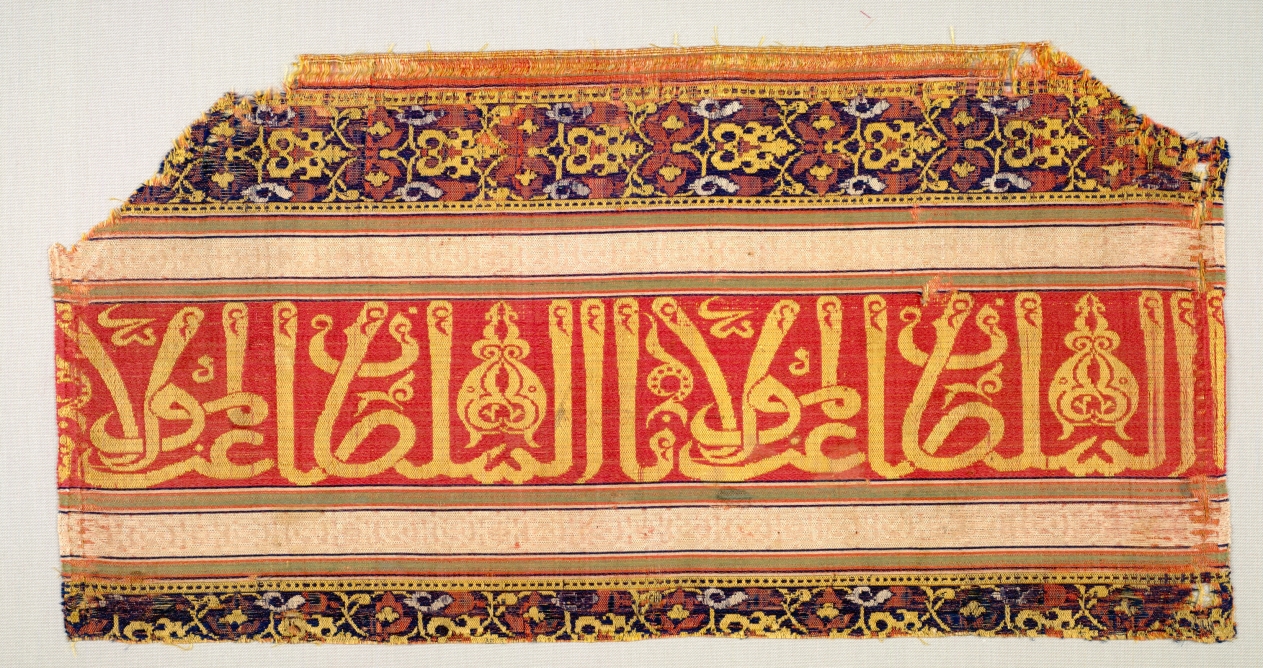
This heritage research artifact examines a fragment of striped silk, extracted from a garment of indeterminate origin but unmistakable provenance: the imperial silk weaving traditions of East Asia, specifically the Ming (1368–1644) and Qing (1644–1912) dynasties. The silk, now preserved in the Lauren Fashion Heritage Lab, exhibits a refined striped pattern—alternating bands of deep indigo, ochre, and cream—executed in a warp-faced compound weave. Its materiality speaks to a legacy of craftsmanship that bridged courtly opulence with global trade, a narrative that resonates deeply with the ethos of Savile Row: precision, heritage, and the enduring value of bespoke artistry.
Striped silk, often dismissed as a mere decorative motif, was in fact a sophisticated expression of imperial power. In the Ming dynasty, striped silks were reserved for high-ranking officials and members of the court, their patterns encoding rank and ritual significance. The Qing dynasty, under the Manchu rulers, adapted these traditions, integrating stripes into dragon robes and ceremonial garments. This artifact, though fragmentary, encapsulates a continuum of skill—from the sericulture of mulberry leaves to the looms of Suzhou, where master weavers produced textiles that defined an empire’s aesthetic.
Materiality: The Silk Itself
Materiality is the cornerstone of this analysis. Silk, as a fiber, is inherently luminous, breathable, and resilient—qualities that made it a commodity as valuable as gold along the Silk Road. The striped silk in question is a satin-weave variant, characterized by a smooth surface that catches light, enhancing the contrast between the stripes. The indigo dye, derived from Indigofera tinctoria, was a labor-intensive process requiring multiple vat immersions to achieve depth; the ochre, likely from iron oxide or safflower, provided a warm counterpoint. The cream stripe, left undyed, showcases the natural luster of the silk filament.
Under magnification, the weave reveals a compound structure: a warp of fine, untwisted silk threads interlaces with a weft of slightly coarser yarns. This technique, known as kesi (cut silk) in Chinese, allowed for intricate pattern changes without breaking the warp—a hallmark of imperial workshops. The stripes are not printed but woven, their edges sharp and unyielding, a testament to the weaver’s precision. Such materiality demanded an ecosystem of specialists: silkworm farmers, dyers, pattern designers, and loom operators, all overseen by the Imperial Silkworks in Nanjing or Suzhou.
Context: The Legacy of Imperial Silk Weaving
The legacy of imperial silk weaving is inseparable from the political and economic structures of pre-modern China. During the Ming dynasty, the state monopolized silk production, with workshops producing textiles exclusively for the emperor and his court. Striped silks, in particular, were imbued with symbolic weight. The stripe—a linear, repetitive motif—was associated with order, hierarchy, and the cosmic balance of yin and yang. In Qing court attire, stripes appeared on the chaofu (court robe) and jifu (dragon robe), often in combination with auspicious symbols like clouds, dragons, and waves. The stripes themselves could denote rank: narrower stripes for lower officials, broader ones for the aristocracy.
This artifact, however, may have originated from a garment worn by a merchant or scholar rather than a courtier. By the late Ming, silk production expanded beyond imperial workshops, with private looms in Jiangnan producing striped silks for the burgeoning domestic market. The stripes here—less rigid than courtly patterns—suggest a garment tailored for daily wear, perhaps a changshan (long robe) or a magua (riding jacket). The indigo stripe, a color associated with modesty and endurance, aligns with Confucian ideals of restraint, while the ochre hints at earthiness and prosperity.
Global Resonance: From the Silk Road to Savile Row
The journey of this striped silk from imperial China to a London heritage lab mirrors the broader narrative of cultural exchange. From the 16th century onward, Chinese silks flooded European markets via Portuguese and Dutch traders, influencing Baroque and Rococo fashion. Striped silks, in particular, captivated European aristocrats, who saw them as exotic markers of status. By the 18th century, London’s tailors—precursors to Savile Row—were incorporating Chinese silks into waistcoats, gowns, and cravats, blending Eastern materiality with Western tailoring.
Savile Row, established in the 19th century, inherited this legacy. The Row’s ethos—bespoke, handcrafted, and timeless—mirrors the values of imperial silk weaving. Both traditions prioritize the object over the commodity, the artisan over the machine. This striped silk, though fragmentary, embodies that ethos: it was made to last, to be worn, and to be passed down. In the Lauren Fashion Heritage Lab, it serves as a pedagogical tool, reminding us that fashion is not merely ephemeral but a repository of history, skill, and identity.
Conservation and Interpretation
Preserving this artifact requires understanding its vulnerabilities. Silk is hygroscopic, prone to acid degradation from light and pollutants. The indigo dye, while stable, can fade under UV exposure. The lab’s conservation protocol includes controlled humidity (50–55% RH), low light levels (50 lux), and acid-free storage. The fragment is mounted on a padded board, its edges secured with silk thread, allowing for study without handling. Digital imaging, including multispectral analysis, has revealed faint traces of gold thread in the ochre stripe—a detail invisible to the naked eye, suggesting the garment was once more opulent than it appears.
Interpretation, however, is the lab’s primary function. This artifact is not merely a piece of cloth; it is a document of global history. It speaks to the labor of anonymous weavers, the ambitions of emperors, and the tastes of merchants. It challenges the Western-centric narrative of fashion by centering a non-European tradition of equal sophistication. For students of fashion heritage, it offers a case study in materiality, provenance, and the politics of luxury.
Conclusion: The Enduring Thread
Striped silk from a garment—this fragment, no larger than a handkerchief, holds within its threads the weight of an empire. Its materiality—the silk, the dye, the weave—is a testament to centuries of innovation. Its context—imperial China’s silk workshops—reminds us that fashion has always been a global enterprise, rooted in craft and commerce. As a heritage artifact, it bridges past and present, East and West, the loom and the lab.
In the spirit of Savile Row, where every stitch is deliberate, this striped silk demands respect. It is not a relic but a resource—a thread connecting us to the artisans who wove it, the wearers who draped it, and the historians who now preserve it. The legacy of imperial silk weaving endures, not in museums alone, but in the hands of those who understand that true luxury is never manufactured—it is crafted, thread by thread, stripe by stripe.