← BACK TO ARCHIVES
Heritage-Black
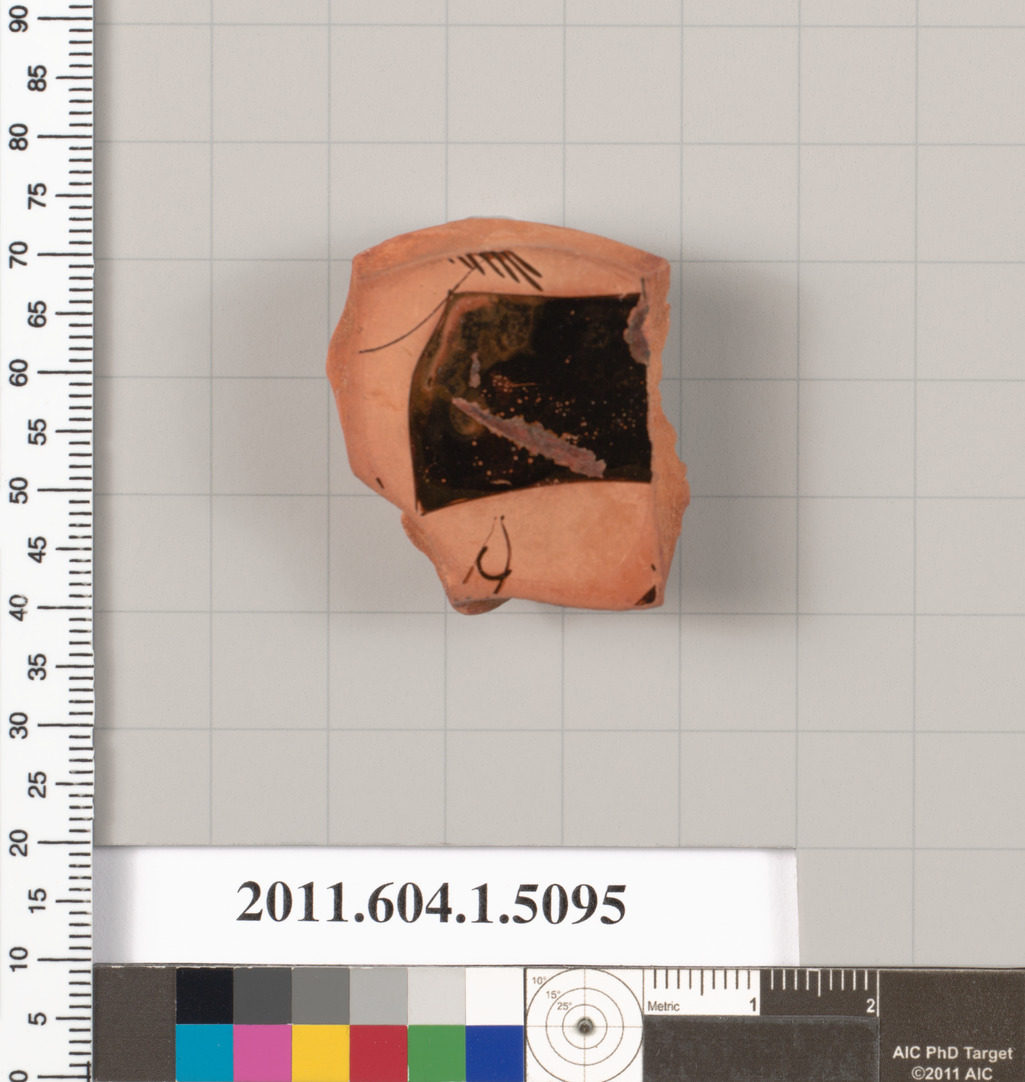
Heritage Synthesis: Terracotta fragment of a kylix (drinking cup)
Curated on May 11, 2026 // Node: LDN-01
From Terracotta Fragment to Tailored Silhouette: The Archaic Resonance of 2026 Old Money Aesthetics
The terracotta fragment of a kylix—a Greek Attic drinking cup from the sixth century BCE—preserves in its broken curvature a philosophy of form that transcends its original function. This shard, with its black-figure decoration and geometric restraint, speaks not of opulence but of proportion, not of novelty but of enduring structure. For the 2026 Old Money silhouette, this artifact offers a profound counterpoint to the transient excesses of contemporary fashion. It insists that true luxury resides not in ornamentation but in the disciplined architecture of the garment itself—a principle that aligns with Lauren Fashion’s heritage of quiet authority.
The Geometry of Restraint: How the Kylix Informs Silhouette
The kylix fragment reveals a vessel designed for communal ritual: its shallow bowl, balanced on a slender stem, requires a deliberate hand to hold. This physical negotiation between object and user mirrors the Old Money wardrobe’s emphasis on garments that demand posture and presence. The 2026 silhouette, informed by this archaic logic, will favor structured shoulders, elongated torsos, and controlled volumes that do not cling but rather create a second architecture for the body. Just as the kylix’s curve directs the eye inward toward the painted scene, a tailored blazer or double-breasted coat should draw attention to the wearer’s center—the chest, the waist—without theatrical exaggeration.
The fragment’s black-figure technique—where dark silhouettes emerge from the terracotta ground—offers a chromatic lesson. Old Money dressing has long favored heritage-black as a neutral anchor, but the kylix suggests this is not mere convention. Black, in this context, becomes a field of possibility: it absorbs light, creating depth without pattern. For 2026, expect to see matte wool suiting, cashmere topcoats, and silk crepe dresses in near-black tones, their only relief being the subtle sheen of a satin lapel or the matte gleam of horn buttons. This is not the black of mourning but the black of intention—a color that, like the kylix’s fired clay, gains richness from its very opacity.
The Line as Narrative: Decorative Economy in the 2026 Collection
The kylix fragment’s decoration—typically a band of figures or geometric motifs—is never gratuitous. In Attic pottery, every line serves the vessel’s rhythm: the handles echo the curve of the lip, the painted figures follow the bowl’s rotation. This principle of decorative economy directly challenges the maximalist trends of recent seasons. For 2026, Lauren Fashion will reinterpret this through pinstripes that follow the body’s natural lines, herringbone weaves that create texture without pattern, and single-breasted closures that emphasize verticality. The kylix teaches that ornament must be structural: a pocket flap, a cuff button, a lapel notch—each detail should feel inevitable, not applied.
Consider the fragment’s preserved foot and stem. The kylix does not rest flat on a table; it stands on a raised base, creating a shadow beneath. This separation from the ground plane is echoed in the 2026 silhouette through slightly raised hemlines, cropped trousers that reveal the ankle, and jackets that end just above the hip. These details create a sense of lift, of the garment not merely covering but elevating the body. The Old Money aesthetic has always understood that true luxury is about proportion, not volume—and the kylix’s geometry confirms this.
Material Memory: The Texture of Time
Terracotta, as a material, bears the marks of its making: the potter’s wheel, the kiln’s heat, the painter’s brush. This material honesty resonates with the 2026 emphasis on tactile authenticity. The fragment’s surface, though broken, retains a warmth that polished marble or gilded bronze cannot replicate. In fashion terms, this translates to a renewed appreciation for raw-edged silks, unlined cashmere, and wool that retains its natural lanolin. The kylix does not pretend to be new; it is comfortable in its age. Similarly, the 2026 Old Money silhouette will favor garments that feel lived-in, that carry the memory of wear without appearing distressed.
The fragment’s terracotta hue—a warm, earthy orange-brown—also offers a chromatic counterpoint to the dominance of black. For 2026, expect to see terracotta, ochre, and burnt sienna as accent colors in accessories, linings, or subtle embroidery. These tones, drawn directly from the artifact, connect the wearer to a lineage of craftsmanship that predates industrial fashion. They are not trend colors but heritage colors—grounded, permanent, and quietly assertive.
The Philosophical Stitch: East-West Dialogue in the 2026 Silhouette
The kylix fragment, though Greek, shares an unexpected kinship with the Chinese porcelain and Dutch Delftware referenced in the internal genetic code. All three traditions—Attic pottery, Ming blue-and-white, and Delft faience—treat the vessel as a carrier of meaning. The kylix’s painted scenes of symposium or myth were not mere decoration; they were instructions for living, reminders of virtue, or warnings against hubris. The 2026 Old Money silhouette, in its turn, must function as a carrier of identity. It is not a costume but a statement of values: discretion, durability, and respect for craft.
This is where the fragment’s broken state becomes most instructive. The kylix is incomplete, yet its beauty endures. The 2026 silhouette, similarly, should not strive for perfection but for integrity. A garment that fits impeccably, that uses materials of genuine quality, that respects the body’s architecture—this is the modern equivalent of the kylix’s timeless form. It does not need to shout; it simply exists, and its existence is enough.
Conclusion: The Fragment as Blueprint
The terracotta kylix fragment, in its humble brokenness, offers a masterclass in the principles that will define the 2026 Old Money silhouette: geometric restraint, material honesty, decorative economy, and philosophical depth. It reminds us that the most enduring fashion is not that which seeks to astonish but that which seeks to endure. As Lauren Fashion Heritage Lab synthesizes these ancient lessons with contemporary tailoring, the result will be a wardrobe that speaks not of trends but of tradition—a tradition that, like the kylix, gains its power from the quiet confidence of form. In the tension between the kylix’s static geometry and the dynamic flow of a well-cut coat, we find the true heritage of Old Money: not the display of wealth, but the discipline of style.
Heritage Lab Insight
Genetic Bridge: Archive node focusing on Heritage-Black craftsmanship.