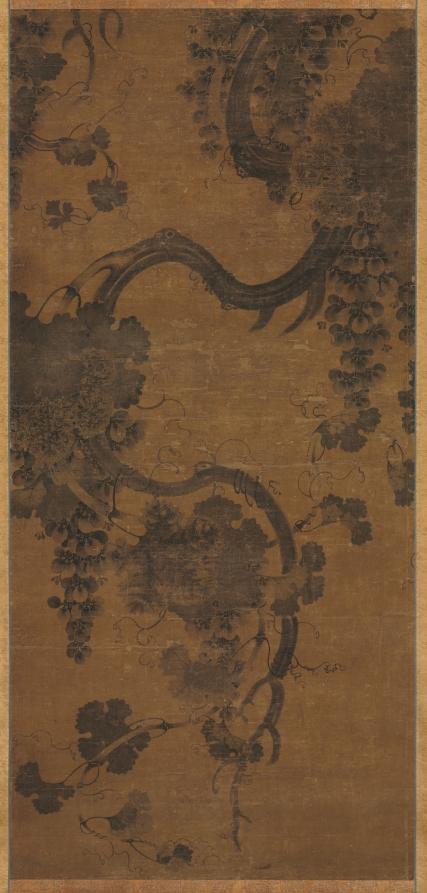
The Grapevine in Silk: A Study of Imperial Legacy and Materiality
Introduction: The Convergence of Nature and Craft
In the hallowed corridors of Lauren Fashion Heritage Lab, we examine not merely fabric, but the narrative woven into its very fibre. The subject of this heritage research artifact—the grape—is a motif of profound significance, particularly when rendered in silk, a material synonymous with imperial power and artisanal mastery. The grape, as a symbol, transcends mere botanical representation; it embodies abundance, fertility, and the intoxicating pleasures of civilisation. When this motif is executed in silk, especially within the context of imperial silk weaving traditions, it becomes a testament to the confluence of nature’s bounty and human ingenuity. This paper explores the materiality of silk as the medium for the grape motif, tracing its legacy from the imperial looms of China to the refined sensibilities of London’s Savile Row, where heritage and modernity converge.
The Materiality of Silk: A Foundation of Imperial Prestige
Silk, as a material, is not merely a textile; it is a repository of cultural memory. Its production, historically guarded as a state secret by imperial dynasties, endowed it with an aura of exclusivity and power. The filament of the silkworm, Bombyx mori, yields a fibre of unparalleled lustre, strength, and drape. In imperial contexts, silk was the fabric of the court, reserved for the emperor, his retinue, and the highest echelons of society. Its weight, texture, and ability to absorb vibrant dyes made it the ideal canvas for intricate motifs that communicated status, cosmology, and authority.
The grape motif, when woven into silk, demanded a mastery of technique that only imperial workshops could provide. The naturalistic rendering of grape clusters, with their rounded forms and cascading vines, required a sophisticated understanding of weave structures, such as kesi (silk tapestry) or jin (brocade). These techniques allowed for the creation of dimensional effects, where the silk’s sheen could mimic the bloom of a ripe grape or the subtle shadow of a leaf. The materiality of silk thus amplifies the grape’s symbolic resonance: the fabric’s fluidity echoes the vine’s organic growth, while its durability speaks to the enduring legacy of the imperial brand.
Imperial Silk Weaving: The Grape as a Symbol of Transcultural Exchange
The grape motif in imperial silk weaving is not indigenous to Chinese iconography but arrived via the Silk Road, a testament to the transcultural exchanges that defined the Tang Dynasty (618–907 CE) and beyond. Grapevines, associated with the Hellenistic and Persian worlds, were adopted by Chinese artisans as symbols of exotic luxury and cosmopolitanism. In the Tang imperial workshops, the grape was often paired with other motifs, such as the pomegranate or lotus, to create patterns that signified fertility, prosperity, and the harmony of diverse cultures under imperial rule.
This legacy is preserved in artifacts such as the Tang dynasty silk fragments housed in the British Museum, where grape clusters are rendered in gold thread against a deep indigo ground. The choice of gold thread, or gold-wrapped silk, further elevates the motif, imbuing it with a luminosity that suggests divine favour. The imperial weavers, working under the auspices of the Imperial Silkworks, employed a warp-faced compound weave to achieve this effect, a technique that required the precise manipulation of multiple layers of silk to create a raised, three-dimensional pattern. The result is a textile that feels almost alive, the grapes seeming to swell from the fabric’s surface.
The Legacy of Imperial Craft in Contemporary Savile Row
The transition of the grape-in-silk motif from imperial courts to Savile Row is a narrative of heritage reimagined. Savile Row, the epicentre of bespoke tailoring, has long drawn upon the lexicon of historical textiles to inform its craft. A modern interpretation of the grape motif in silk, whether in a necktie, a lining, or a waistcoat, carries the weight of this imperial legacy. The materiality of silk remains paramount: a Savile Row tailor selects silk not only for its aesthetic but for its hand—the tactile quality that determines how the fabric will drape, hold a crease, or respond to the body’s movement.
In this context, the grape motif is often executed in jacquard or brocade, techniques that echo the imperial looms of the Tang and Ming dynasties. The jacquard mechanism, invented in the early 19th century, allows for the precise reproduction of complex patterns, including the sinuous curves of grapevines and the clustered forms of fruit. However, the true mastery lies in the selection of silk yarns: a mulberry silk of 22-momme weight, for instance, provides the perfect balance of sheen and structure, ensuring that the grape motif remains crisp and defined even after years of wear.
The Savile Row client, discerning and historically aware, understands that such a garment is not merely an accessory but a continuation of a lineage. The grape in silk becomes a quiet statement of connoisseurship, a nod to the Silk Road’s legacy of exchange and the imperial workshops’ pursuit of perfection. It is a material artifact that bridges the temporal gap between a Tang dynasty courtier and a modern gentleman, united by an appreciation for the finest things in life.
Materiality and Preservation: The Ethics of Heritage
As Senior Heritage Specialist, I must also address the ethical dimension of materiality. The production of silk, particularly in the context of heritage preservation, raises questions about sustainability and authenticity. The imperial legacy of silk weaving was built upon a system of artisanal knowledge that is now endangered. The grape motif, when reproduced today, must be executed with respect for the original techniques, using natural dyes and hand-weaving wherever possible. This approach not only honours the materiality of silk but ensures that the craft survives for future generations.
At Lauren Fashion Heritage Lab, we advocate for a slow fashion ethos that mirrors the patience of imperial weavers. A single grape motif in a silk brocade may require weeks of labour, from the dyeing of the yarn to the setting of the loom. This investment of time and skill is what imbues the artifact with its value—a value that cannot be replicated by mass production. The grape in silk, therefore, is not just a design but a philosophy: a reminder that true luxury is born from the marriage of material and mastery.
Conclusion: The Grape as a Timeless Motif
In conclusion, the grape motif in silk, contextualised within the legacy of imperial silk weaving, offers a rich tapestry of meaning. Its materiality—the lustre, weight, and drape of silk—elevates it from a mere pattern to a symbol of power, exchange, and artistry. From the Tang dynasty’s cosmopolitan looms to the bespoke ateliers of Savile Row, the grape in silk endures as a testament to the enduring human desire to capture nature’s beauty in the most precious of fibres. As we preserve and reinterpret this heritage, we do so with the understanding that the grape is not merely a fruit but a narrative—one that continues to unfold, thread by thread, in the hands of those who honour its legacy.
— Senior Heritage Specialist, Lauren Fashion Heritage Lab