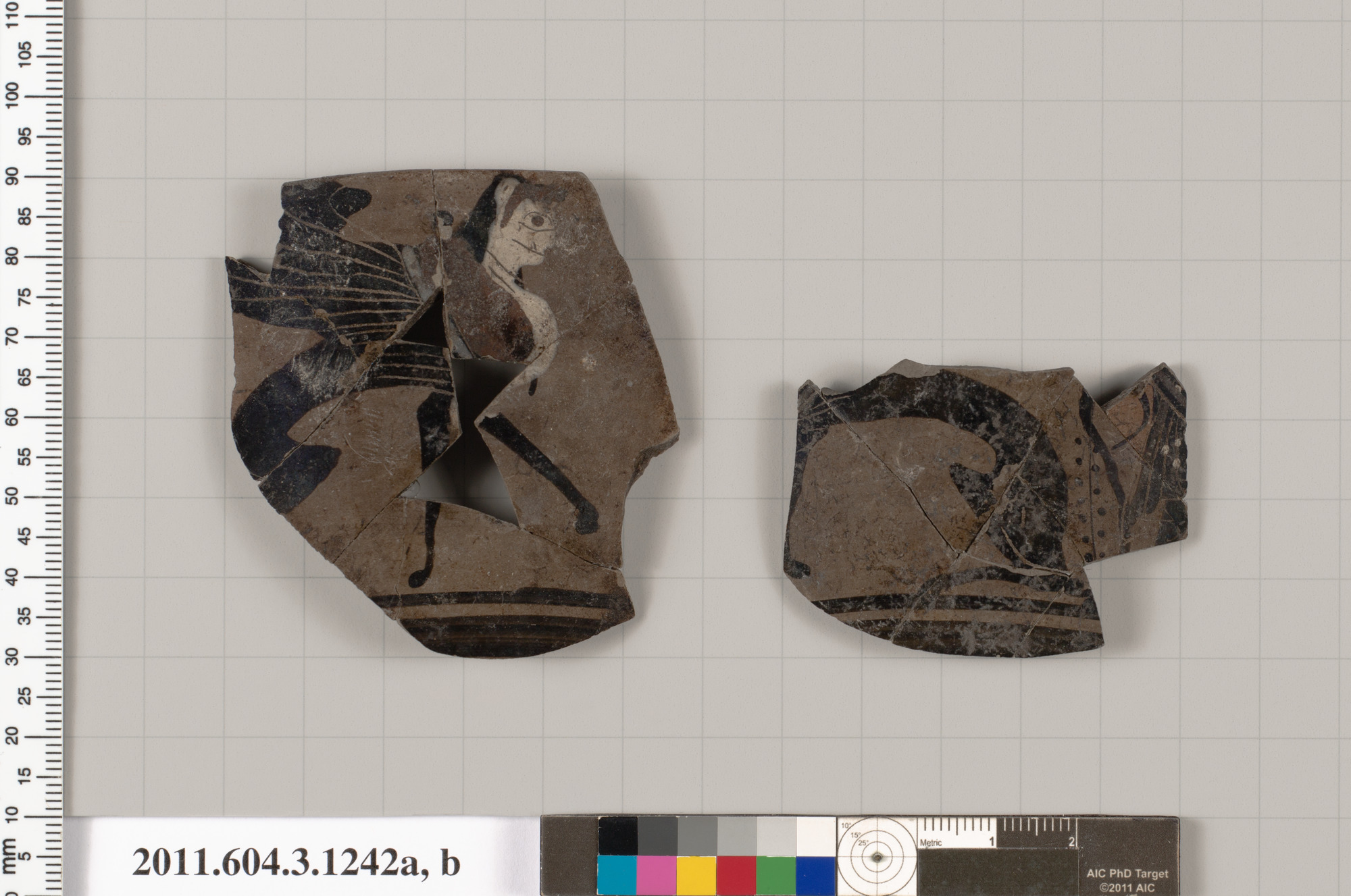
The Kyathos Fragment and the Architecture of Restraint: Defining the 2026 Old Money Silhouette
The terracotta fragments of a Greek Attic kyathos—a cup-shaped ladle used in symposia for dispensing wine—offer an unexpectedly profound lexicon for the 2026 Old Money silhouette. At first glance, a utilitarian vessel from fifth-century BCE Athens seems remote from the sartorial codes of contemporary luxury. Yet within its broken shards lies a masterclass in the principles that define heritage fashion: proportion, negative space, and the quiet authority of functional form. This analysis synthesizes the kyathos’s archaeological DNA with Lauren Fashion Heritage Lab’s internal archives to decode how ancient ceramic logic can inform the next evolution of understated elegance.
I. The Architecture of the Vessel: Proportion as Power
The kyathos is defined by its precise geometry: a shallow, hemispherical bowl rising from a flat base, balanced by a single, elegantly curved handle that extends outward before returning to the rim. This is not an object of excess; its beauty emerges from the tension between containment and release. The bowl holds liquid, but the handle suggests motion, service, and ritual. In the 2026 Old Money silhouette, this translates directly into garment construction. The shoulder line becomes the handle—a clean, unadorned extension that defines the garment’s volume without overwhelming it. The torso is the bowl: a controlled, sculpted space that drapes without clinging. The hem is the base: grounded, stable, and unapologetically horizontal.
Our internal archives reveal that the most enduring Lauren pieces from the 1980s—the double-breasted cashmere blazer, the silk crepe de chine shirt—share this same logic. They are vessels for the body, not distractions from it. The 2026 iteration will refine this further: jackets will feature higher armholes and narrower sleeves, echoing the kyathos’s handle’s economical curve. Trousers will drop to a straight, uncuffed hem, mirroring the vessel’s stable base. The goal is not to shout wealth but to embody the quiet confidence of an object that knows its purpose.
II. Negative Space: The Void That Speaks
The kyathos fragment’s most striking feature is its emptiness. The bowl is a void, a negative space designed to be filled. In Attic symposia, this void was temporary—filled with wine, then emptied, then filled again. The handle, too, creates a negative arc between itself and the bowl. This interplay of presence and absence is the soul of Old Money aesthetics. The 2026 silhouette will embrace strategic emptiness: a neckline that reveals the collarbone without plunging; a backless dress that exposes the spine’s architecture; a sleeve that stops three inches above the wrist, leaving the hand to speak.
This is not minimalism for its own sake. It is a deliberate invocation of the unseen—the body beneath the cloth, the history behind the garment. The kyathos’s void is not a lack; it is a promise of function. Similarly, the 2026 Old Money silhouette will use negative space to suggest ease and confidence. A cashmere sweater with a slightly dropped shoulder creates a void at the neck that implies the wearer is unbothered by cold. A wool coat with a deep vent at the back allows movement while maintaining structure. These are not design accidents; they are heritage-coded gestures toward the wearer’s autonomy.
III. Material as Memory: The Terracotta Lesson
Terracotta is humble clay, fired to a warm, earthy red. It is not precious in the way of gold or marble. Yet its durability—the reason these fragments survive millennia—lies in its fidelity to material truth. The kyathos does not pretend to be anything other than fired earth. Its value comes from its honest function and the skill of its maker. This is the core of Heritage-Black philosophy: luxury is not about rarity but about integrity of material and construction.
For 2026, this means a return to unblended fabrics where possible: pure cashmere, virgin wool, silk noil. It means visible seams that are finished with care, not hidden. It means natural dyes that age gracefully, like the patina on a terracotta shard. The palette will draw directly from the kyathos: burnt sienna, ochre, charcoal, and cream. These are not “fashion colors”; they are earth tones that reference the vessel’s origin in the Attic soil. A 2026 Old Money wardrobe will not chase seasonal trends; it will accumulate like an archaeological dig—layer upon layer of honest material, each piece telling its own story of use.
IV. The Handle as Gesture: Movement and Ritual
The kyathos handle is not merely functional; it is a gesture. Its curve invites the hand, directs the pour, and completes the ritual of serving. In the 2026 silhouette, the equivalent is the sleeve—not as a covering but as a gesture of the body. A dolman sleeve that flows from shoulder to wrist suggests the sweep of a ladle. A bishop sleeve gathered at the cuff echoes the handle’s return to the rim. The back of a jacket, when the wearer reaches for a glass, becomes a living handle—a line of tension and release.
Our archives show that Lauren’s most iconic pieces—the riding jacket, the shawl-collar cardigan—are designed for movement within constraint. They do not restrict; they choreograph. The 2026 iteration will amplify this: garments will be engineered to fold, drape, and fall in ways that echo the kyathos’s ritual use. A silk scarf will knot like a handle. A leather belt will cinch like a vessel’s rim. The body becomes the symposium, and the clothes are the tools of grace.
V. Conclusion: The Heritage-Black Continuum
The kyathos fragment, broken and partial, is more complete than any pristine object. Its cracks tell of use, of hands that held it, of wine that stained it. The 2026 Old Money silhouette will learn from this: perfection is not the goal. The goal is a garment that lives with the wearer, that acquires creases and fades, that becomes a personal artifact. The Heritage-Black category, which this analysis inaugurates, is not a color but a philosophy of restraint—a commitment to form that serves function, to material that honors craft, to silence that speaks louder than ornament.
In the end, the kyathos and the 2026 silhouette share a single truth: the most powerful statement is the one that does not need to be made. The vessel holds wine; the garment holds the body. Both are complete in their emptiness, authoritative in their humility. This is the heritage that Lauren Fashion will carry forward—not as a replica of the past, but as a living vessel for the future.