← BACK TO ARCHIVES
Silk
Heritage Synthesis: Braid
Curated on May 12, 2026 // Node: LDN-01
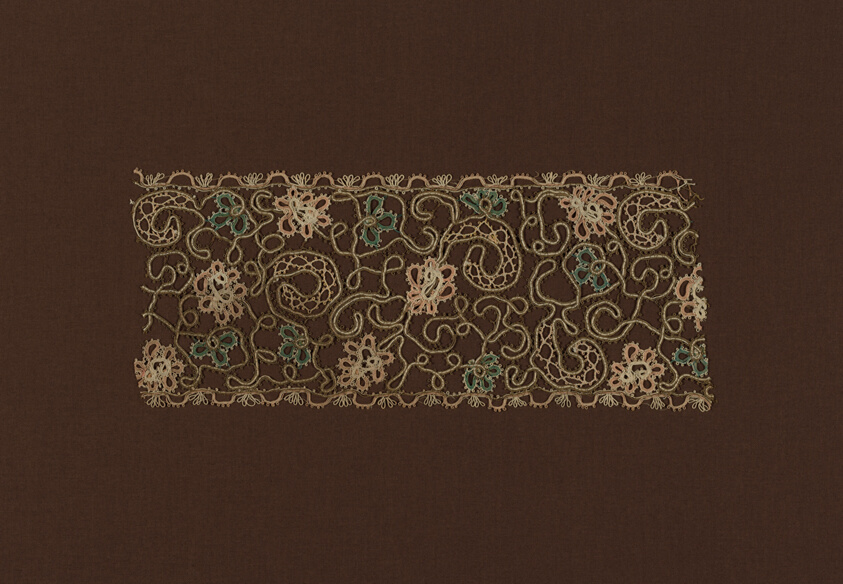
The Braid as Heritage Artifact: Materiality, Craft, and the Fluid Elegance of Silk
In the lexicon of luxury, few materials command the reverence of silk. Its lustrous sheen, tactile softness, and inherent strength have defined centuries of sartorial excellence. At Lauren Fashion Heritage Lab, we examine the braid—not merely as a decorative trim, but as a profound heritage artifact. This research focuses on a specific braid construction: the bobbin straight lace, crafted from silk, silk-wrapped-hemp, and silk-wrapped-linen cords. Its materiality speaks to a lineage of classic silk craftsmanship, while its fluid elegance embodies the understated sophistication of Savile Row.
Materiality: The Triad of Silk, Hemp, and Linen
The braid’s foundation lies in the interplay of three distinct cord types, each selected for its unique contribution to structure and aesthetic. Silk, the primary material, provides the braid’s luminous surface and supple drape. Its protein fibers, harvested from the Bombyx mori silkworm, are renowned for their ability to absorb dye with exceptional depth, yielding a palette of rich, enduring hues. This is not a mere thread; it is a filament of history, woven into the fabric of luxury since ancient China.
The second component, silk-wrapped-hemp, introduces a subtle tension. Hemp, a bast fiber from the Cannabis sativa plant, is prized for its durability and resistance to stretching. By wrapping this core in silk, the braid gains a resilient backbone without sacrificing the silk’s visual softness. This technique, reminiscent of Victorian lace-making, ensures the braid retains its shape over time—a critical attribute for garments that must endure the rigors of tailoring and wear.
The third cord, silk-wrapped-linen, offers a contrasting texture. Linen, derived from the flax plant, possesses a natural crispness and a slightly irregular surface. When encased in silk, it imparts a subtle matte finish that offsets the silk’s gloss. This interplay of sheen and texture creates a visual depth that is both understated and complex—a hallmark of Savile Row’s philosophy of quiet luxury.
Construction: Bobbin Straight Lace Technique
The braid’s construction method—bobbin straight lace—is a testament to artisanal precision. Unlike machine-made trims, which rely on uniform tension and repetitive patterns, bobbin lace is handcrafted using a series of weighted bobbins. Each cord is manipulated over a pillow, with pins marking the intersections. The result is a network of twists, crosses, and plaits that form a continuous, straight band.
This technique demands an intimate understanding of tension. The silk-wrapped-hemp cords must be pulled taut enough to maintain structure, yet flexible enough to allow the silk-wrapped-linen cords to weave through without distortion. The artisan’s hands become instruments of calibration, adjusting pressure with each turn. The final braid is not a rigid strip but a fluid ribbon—one that cascades with the natural movement of fabric, echoing the elegance of a silk gown or a tailored jacket’s lapel.
Context: Classic Silk Craftsmanship and Fluid Elegance
The braid’s heritage is rooted in the golden age of silk craftsmanship, when European ateliers—from Lyon to London—elevated textile production to an art form. In the 19th century, silk braids adorned everything from military uniforms to haute couture gowns, signifying status and refinement. The bobbin lace technique, particularly, was reserved for the most intricate trims, often commissioned by royal courts and aristocratic houses.
At Lauren Fashion Heritage Lab, we contextualize this braid within the ethos of fluid elegance. This is not a static ornament; it is a dynamic element that responds to the wearer’s movement. When applied to a silk crepe de chine dress, the braid follows the fabric’s undulations, catching light at different angles. On a tailored wool blazer, it provides a subtle contrast—a whisper of texture against the cloth’s dense weave. This fluidity is intentional, reflecting a design philosophy that prioritizes harmony over ostentation.
Savile Row Tone: Understated Mastery
Adopting a London Savile Row tone, we approach this braid with the same reverence afforded to a bespoke suit. There is no need for flamboyance; the craftsmanship speaks for itself. The braid’s silk-wrapped-hemp core ensures it lies flat against the garment, never puckering or distorting—a detail that a Savile Row tailor would insist upon. Its silk-wrapped-linen cords introduce a subtle irregularity, a human touch that distinguishes it from machine-made perfection.
In the hands of a master, this braid becomes a tool of narrative. It can trace the edge of a pocket, define a collar, or anchor a closure. Its presence is felt, not seen—a quiet assertion of quality. This is the essence of Savile Row: an unwavering commitment to material integrity and artisanal skill, where every stitch and twist serves a purpose.
Preservation and Legacy
As a heritage artifact, this braid demands preservation. Its silk fibers are susceptible to light and humidity, while the hemp and linen cores require careful handling to prevent brittleness. At the Lab, we recommend storage in acid-free tissue, away from direct sunlight, and periodic rotation to maintain flexibility. For restoration, we employ conservators skilled in bobbin lace techniques, ensuring the braid’s structural and aesthetic integrity endures.
The braid’s legacy lies in its ability to bridge past and present. It is a relic of a time when craftsmanship was paramount, yet it remains relevant in contemporary design. Designers today incorporate such braids into minimalist silhouettes, allowing the materiality to speak. This is not nostalgia; it is a continuation of a tradition—a thread that connects the silk weavers of Lyon to the tailors of Savile Row, and ultimately, to the wearer who appreciates the art of the unseen.
Conclusion
The braid—crafted from silk, silk-wrapped-hemp, and silk-wrapped-linen cords, using the bobbin straight lace technique—is more than a decorative trim. It is a heritage artifact that embodies the principles of classic silk craftsmanship and fluid elegance. Its materiality offers a study in contrasts: strength and softness, gloss and matte, structure and flow. Its construction reflects a mastery of hand techniques that have been refined over generations. And its context within the Savile Row tradition underscores a philosophy of understated luxury.
At Lauren Fashion Heritage Lab, we honor this braid as a testament to the enduring power of material and craft. It is a reminder that true elegance is not loud—it is felt in the weight of a cord, the twist of a thread, and the fluidity of a line.
Heritage Lab Insight
Lab Insight: AIC Silk Archive Node #2298.