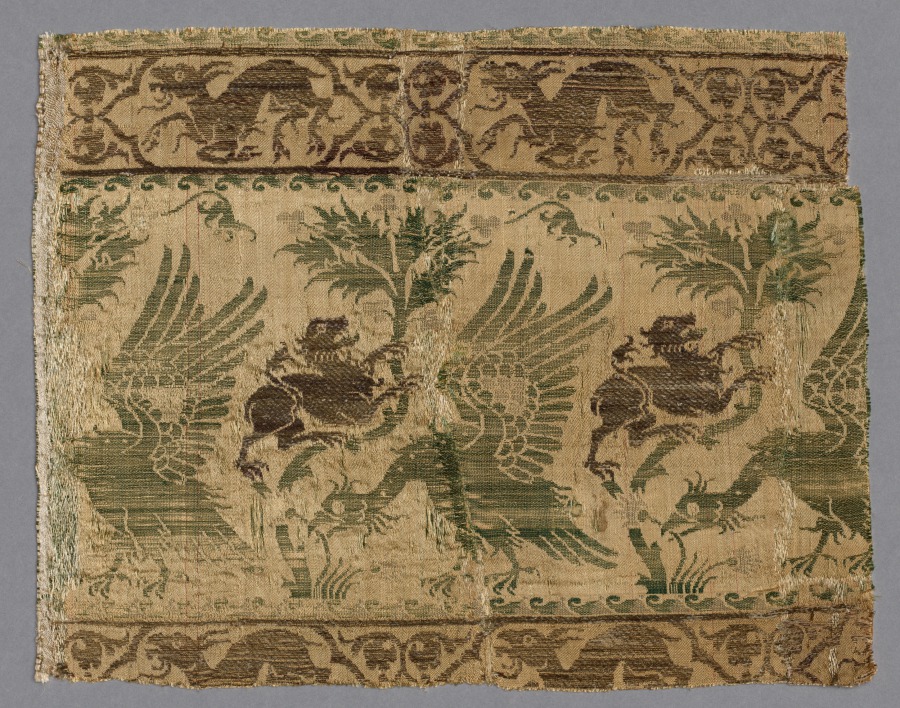
A Treatise on the Sovereign Cloth: Silk and the Architecture of Imperial Authority
To consider silk is to engage not merely with a textile, but with a foundational pillar of statecraft. Its narrative is one of absolute exclusivity, of a material so potent it became the very currency of power, diplomacy, and divine right. The legacy of imperial silk weaving is not a relic of aesthetic fancy; it is the study of a meticulously controlled industrial and symbolic engine, where the loom was as crucial an instrument of governance as the sceptre. The pursuit was not simply beauty, but the manifestation of an unassailable hierarchy in tactile form.
The Strategic Reserve: Controlling the Means of Production
Imperial policy regarding silk was, first and foremost, a matter of geopolitical and economic security. One observes the model in its most crystalline form in the Byzantine Empire. The procurement of Bombyx mori eggs and the core principles of sericulture were guarded with a secrecy worthy of any state intelligence apparatus. This was not a trade but a sovereign monopoly. The establishment of the imperial gynaeceum—the palace workshops—removed the production of the most significant silks from the commercial sphere entirely. Here, within the palace precinct, the cloth was woven under direct imperial supervision. The output was not intended for market halls; it was strategic reserve, deployed as diplomatic largesse to awe foreign potentates, or as ceremonial armour for the court, reinforcing the social architecture at every feast, coronation, and procession.
This model of centralised control finds a formidable parallel in the Ming and Qing Dynasties of China, the very font of sericulture. The Silk Workshops of Suzhou and Hangzhou, while not always within palace walls, operated under draconian imperial oversight. Patterns, colours, and particularly the use of imperial yellow or five-clawed dragon motifs, were codified with legal precision. To wear an unauthorised pattern was not a fashion faux pas; it was sedition. The cloth itself became a legible text of rank and privilege, its iconography a visual language understood by every subject from the magistrate to the peasant.
The Alchemy of Gold: Weaving Light and Power
Within this hierarchy of fabrics, the incorporation of gold thread represented the apotheosis of the weaver’s art and the emperor’s reach. This was not mere embellishment; it was the deliberate engineering of luminosity. The techniques—filé, where silk is wrapped with a slender strip of gold, or lamé, where a wider strip is woven in—were alchemical processes. In the dim, candlelit halls of Byzantine basilicas or the Forbidden City, these textiles did not merely reflect light; they generated it, creating a nimbus around the wearer.
The psychological impact cannot be overstated. In an age before electric illumination, to be sheathed in moving light was to transcend the human condition. It was a direct, visual claim to celestial mandate. The weight of the cloth—substantial, inflexible—imposed a deliberate, stately movement upon the ruler, transforming gait into procession. The rustle of heavy silk and metal thread was a sound of authority. This was theatre of the highest order, with the sovereign as the sole, radiant protagonist, his costume engineered to obliterate all ambiguity regarding the source of power.
Legacy and Lineage: The Modern Patrimony
The question for the contemporary connoisseur, then, is one of lineage. The imperial workshops are gone, their monopolies dissolved by the tides of commerce and revolution. Yet, the principles they enshrined endure wherever true quality is found. The modern equivalent of that imperial edict is not a law, but an uncompromising standard.
It is found in the conservation of technique. The hand-loomed jacquard, the meticulous hand-tying of fringe, the patient cultivation of specific silkworm breeds for particular lustre and strength—these are the protected secrets of our age. It is present in the provenance of material. Just as the Byzantines prized their specific silk, so does the modern house seek out the finest mulberry silk from designated regions, or the particular gold thread still produced by a handful of European artisans using methods centuries old. The control is no longer enforced by imperial guard, but by the discriminating eye and the refusal to outsource to the mediocre.
Ultimately, the legacy of imperial silk weaving is a lesson in intentionality. It teaches that true luxury is never accidental. It is the product of a coherent vision, ruthless quality control, and an understanding that material is message. The silk-and-gold textile was, and remains, the ultimate power suit—a bespoke articulation of authority, woven not just with thread, but with history, politics, and an unwavering will to command the room. To commission its like today is not to play at dress-up. It is to engage with a continuum of excellence, to drape oneself in the profound, silent language of sovereignty. It is, in the final analysis, a statement that one understands the weight of history, and is prepared to wear it.