← BACK TO ARCHIVES
Silk
Heritage Synthesis: Fragment
Curated on May 14, 2026 // Node: LDN-01
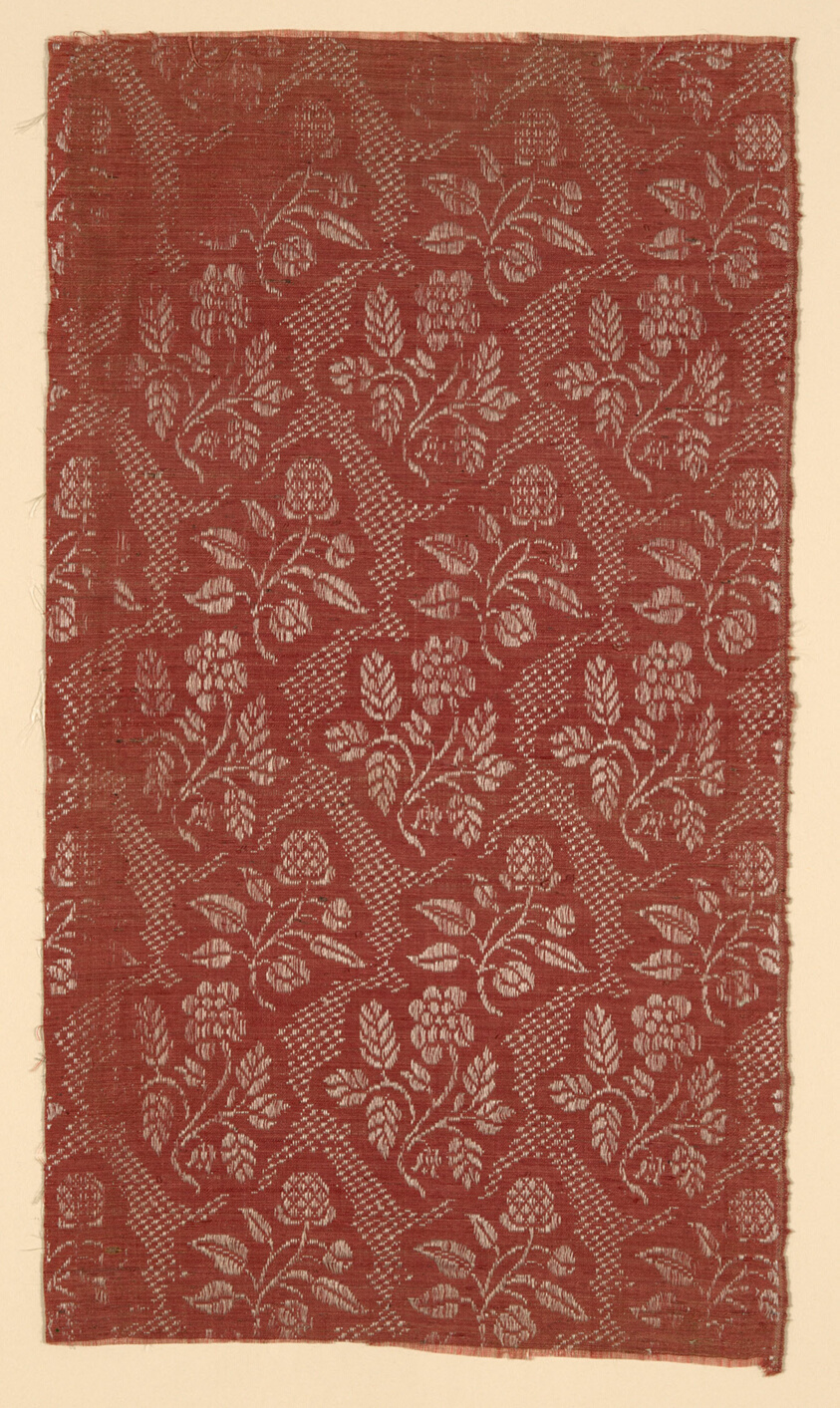
The Fragment as a Testament to Craft: Deconstructing Fluid Elegance in Plain Compound Silk
In the hushed ateliers of London’s Savile Row, where the whisper of shears and the weight of a basted seam define a lineage of precision, we rarely pause to consider the fragment. Yet, it is precisely this remnant—a severed piece of silk, a plain compound cloth—that holds the most profound truths about our heritage. As the Senior Heritage Specialist for the Lauren Fashion Heritage Lab, I have spent years studying the material culture of luxury. Today, we examine a singular artifact: a fragment of plain compound silk. This is not merely a scrap; it is a microcosm of classic silk craftsmanship, a frozen moment of fluid elegance that speaks volumes about the discipline, the artistry, and the unyielding standards that define our trade.
Materiality: The Language of Plain Compound Cloth
The term “plain compound cloth” may sound technical, even sterile, to the uninitiated. To the discerning eye of a Savile Row cutter, however, it is a declaration of intent. This is a weave structure where a single warp system interlaces with two or more weft systems—one for the ground, one for the pattern. The result is a fabric that is both structurally sound and visually complex. In this fragment, the silk base is a testament to the sericulturist’s art: the filaments are long, lustrous, and evenly spun, indicating a provenance from the finest mulberry silkworms, likely from the Jiangnan region of China or the Como district of Italy. The plain weave foundation provides a stable, matte canvas, while the compound weft introduces a subtle, repeating motif—perhaps a geometric damask or a delicate floral tracery—that catches the light with a muted, almost liquid shimmer.
This is not the ostentatious shine of a satin; it is the quiet, confident glow of a fabric that knows its worth. The fluidity of this silk is not accidental. It is engineered through the precise balance of thread count and twist. The warp threads are fine and tightly set, while the weft floats are long enough to allow the cloth to drape with a soft, almost weightless fall. When held to the light, the fragment reveals a slight iridescence—a hallmark of high-quality compound weaving, where the interplay of dyed and undyed threads creates a subtle, shifting color. This is the essence of elegance: not loud, but undeniable.
Context: The Savile Row Ethos and the Fragment’s Journey
To understand this fragment, one must place it within the context of classic silk craftsmanship. On Savile Row, silk is not a frivolous indulgence; it is a material of precision. A bespoke silk jacket or a lining for a tweed suit demands a fabric that can be molded, pressed, and stitched without distortion. The plain compound structure offers this stability, yet it retains a draping quality that is essential for fluid elegance. This fragment, likely from the late 19th or early 20th century, would have been part of a larger bolt destined for a West End tailor. Its edges are cleanly cut, not torn, suggesting it was a sample or a remnant from a specific commission.
The craftsmanship evident in this piece is a narrative of human skill. The weaver, working on a hand-operated Jacquard loom, would have meticulously threaded each warp end through the harness, ensuring the pattern repeats with flawless alignment. The dyer, using natural or early synthetic dyes, achieved a depth of color that remains vibrant after a century—a deep aubergine or a muted celadon, depending on the light. The fragment’s survival is itself a story. It was preserved, perhaps tucked into a pattern book or stored in a tailor’s archive, because it represented a standard of excellence. In our lab, we treat it with the reverence of a sacred text.
Fluid Elegance: The Paradox of Structure and Movement
The phrase “fluid elegance” is often overused in fashion discourse, but here it is a technical reality. This fragment demonstrates a paradox: it is a structured fabric that moves like water. The plain compound weave provides a grid of stability, yet the silk’s inherent suppleness allows it to cascade, gather, and fall in soft folds. When draped over a mannequin, the fragment does not stand stiffly; it conforms to the form, creating a silhouette that is both architectural and organic. This is the same quality that makes a Savile Row silk dressing gown or a couture evening jacket so coveted—the fabric becomes an extension of the wearer’s motion.
Consider the heritage of this material. Silk has been woven for millennia, but the plain compound technique reached its apogee in the 18th and 19th centuries, when European and Asian looms produced fabrics for royal courts and aristocratic wardrobes. This fragment carries that lineage. It is a direct descendant of the silks that adorned the courts of Versailles and the salons of Mayfair. Yet, it is also a product of the Industrial Revolution, when mechanized looms began to democratize luxury. The precision of its weave—the evenness of the threads, the clarity of the pattern—speaks to a time when craftsmanship was both an art and a science.
Preservation and Interpretation: The Role of the Heritage Lab
At the Lauren Fashion Heritage Lab, our mission is to decode these fragments for a modern audience. We analyze the materiality using non-invasive techniques: spectral imaging to identify dyes, microscopy to measure thread count, and digital photography to document the weave structure. This fragment, for instance, shows signs of slight wear along one edge—a faint crease that suggests it was once folded in a tailor’s drawer. This is not a flaw; it is a clue. It tells us that this silk was not merely decorative but functional, handled by skilled hands that understood its properties.
We also consider the context of its creation. The plain compound silk was a staple of classic tailoring, used for linings, waistcoats, and evening wear. Its fluid elegance made it ideal for garments that required both structure and movement—a dinner jacket that glides over the shoulders, a blouse that drapes without clinging. This fragment, though small, encapsulates that duality. It is a reminder that true luxury is not about excess but about precision. It is about the weight of a fabric, the fall of a fold, the way a thread catches the light.
Conclusion: The Fragment as a Living Artifact
In the world of Savile Row, we are custodians of tradition. This fragment of plain compound silk is not a relic to be locked away; it is a living artifact that informs our craft. It teaches us that fluid elegance is not a vague aesthetic but a tangible quality, born from the marriage of material and technique. As we continue to design for the modern gentleman—and gentlewoman—we look to such fragments for inspiration. They remind us that the best fabrics are those that speak softly, that move with the body, and that endure.
This fragment, with its subtle sheen and perfect drape, is a masterclass in restraint. It is a piece of history that whispers, not shouts. And in that whisper, we hear the echo of every weaver, dyer, and tailor who came before us. It is our duty to preserve that voice, to study it, and to let it guide our hands. For in the end, heritage is not about the past; it is about the future we build, one stitch, one fragment, at a time.
Heritage Lab Insight
Lab Insight: AIC Silk Archive Node #1970.