← BACK TO ARCHIVES
Silk
Heritage Synthesis: Silk and Gold Textile
Curated on May 14, 2026 // Node: LDN-01
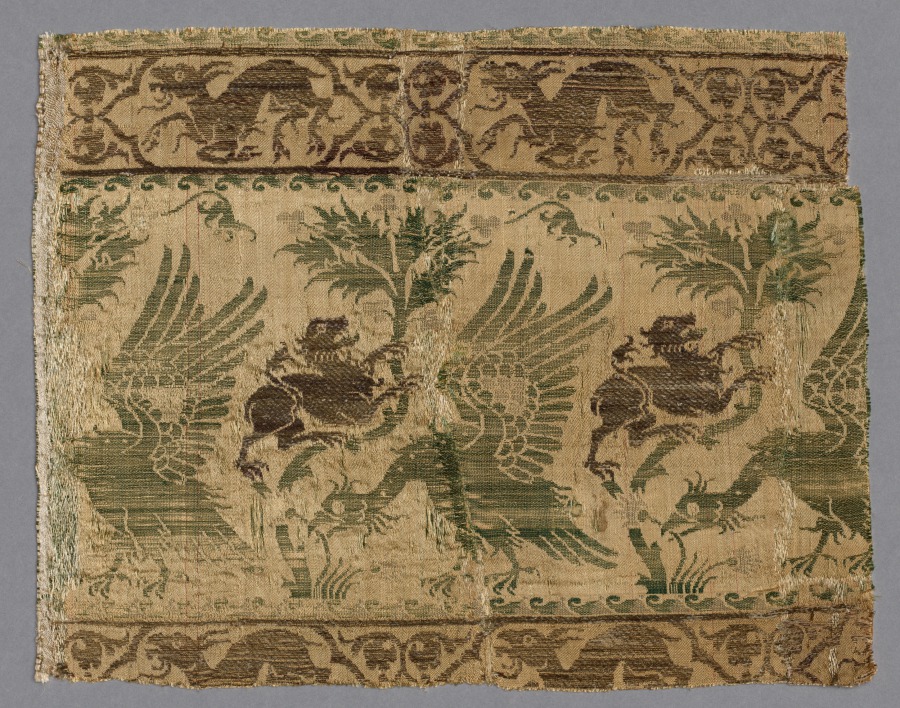
The Enduring Fabric of Empire: Silk and Gold Textile as Heritage Artifact
In the hushed, wood-paneled ateliers of London’s Savile Row, where the air is thick with the scent of fine wool and the quiet confidence of bespoke craftsmanship, we understand that a garment is never merely cloth. It is a document, a declaration, a dialogue with history. Today, we turn our attention to a material that speaks in a language of unparalleled opulence and imperial might: the silk and gold textile. This is not a fabric for the faint of heart or the merely wealthy. It is a heritage artifact, a woven testament to the legacy of imperial silk weaving, where the very threads are imbued with the ambition, artistry, and authority of empires past.
Materiality: The Alchemy of Silk and Gold
To appreciate the silk and gold textile is to first understand its constituent parts as more than mere materials. Silk, the protein filament spun by the Bombyx mori silkworm, is a material of extraordinary tensile strength and luminous sheen. Its cultivation, a closely guarded secret for millennia in China, was the foundation of the Silk Road—a network of trade that moved not only goods but ideas, religions, and technologies across continents. For an imperial weaver, silk was not just a luxury; it was a medium of statecraft. Its smooth, receptive surface was the perfect canvas for the second element: gold.
Gold thread, in its most refined form, was not a simple metallic wire. It was a complex composite. The finest examples, particularly those from the Byzantine, Ottoman, and Mughal courts, employed a technique called filé. A thin strip of gold leaf was meticulously wound around a core of silk or linen, creating a thread that was both flexible and radiant. Alternatively, silver-gilt—silver leaf coated with a thin layer of gold—was used for a cooler, more reflective brilliance. The application of gold was not merely decorative; it was a statement of absolute power. Gold does not tarnish; it endures. It catches the light and transforms the wearer into a living icon, a moving monument to the state’s wealth and divine mandate.
The materiality of these textiles dictated their function. They were heavy, stiff, and unforgiving. They were not designed for comfort or ease of movement. They were designed for ceremony. A robe woven with silk and gold was a burden, a physical weight that mirrored the weight of responsibility carried by the emperor, the caliph, or the shah. Every fold, every shimmer, was a calculated performance of authority.
Context: The Imperial Weaving Legacy
The legacy of imperial silk weaving is a narrative of monopolies, master artisans, and the codification of taste. In China, the Imperial Silk Workshops of the Ming and Qing dynasties were state-controlled factories, staffed by generations of families who dedicated their lives to the craft. The dragon robe (longpao) of a Qing emperor was not a garment but a cosmological map. The nine dragons, the five-clawed imperial symbol, the twelve symbols of sovereignty (sun, moon, constellations, mountains, dragons, pheasants, temple cups, water weeds, flames, grains, axes, and the fu symbol) were all woven in silk and gold thread according to strict sumptuary laws. A single robe could require 2,500 man-days of labor. The gold thread was not merely for show; it was a spiritual conduit, believed to attract positive energy and ward off evil.
In the Byzantine Empire, the Imperial Silk Workshops of Constantinople held a monopoly on the production of purple silk—silk dyed with the precious murex shell pigment. When combined with gold thread, this created the chrysoclabon, a fabric reserved exclusively for the emperor and his immediate family. To wear it without permission was an act of treason. The Byzantine legacy, carried through the Silk Road, influenced the Islamic caliphates, where the tiraz workshops produced inscribed textiles bearing the name of the ruling caliph. These were gifts of honor, diplomatic tools that bound provincial governors and foreign dignitaries to the central authority.
The Mughal Empire in India perfected the art of zardozi—embroidery using gold and silver thread. Under Emperor Akbar, the imperial karkhanas (workshops) produced fabrics of such intricate detail that they were described as “woven gardens.” The pashmina shawls of Kashmir, often interwoven with gold thread, became symbols of Mughal refinement, later coveted by European aristocrats and, eventually, the discerning clientele of Savile Row.
From Imperial Court to Savile Row: A Legacy of Distinction
How does this legacy of imperial silk and gold translate to the modern gentleman’s wardrobe? The answer lies not in replication, but in reverence. The Savile Row tailor does not drape a client in a dragon robe. Instead, he understands the principles that made those robes artifacts of supreme craftsmanship.
First, the principle of exclusivity. Just as imperial workshops controlled the means of production, the true luxury of a silk and gold textile today lies in its rarity. We source our silk from the finest mills in Como, Italy, and our gold thread from specialist weavers in Lyon, France, who still practice the filé technique. A single yard of such fabric might take a master weaver a month to produce. This is not a commodity; it is a commission.
Second, the principle of purpose. A silk and gold textile is not for daily wear. It is for the evening gala, the state dinner, the wedding of a lifetime. It is a fabric that demands occasion. When a client commissions a smoking jacket or a waistcoat in silk and gold, he is not buying a piece of clothing. He is investing in a piece of heritage, a tangible connection to the courts of Byzantium, the Forbidden City, and the Red Fort.
Third, the principle of narrative. Every thread tells a story. The gold thread in a Savile Row garment is not a gimmick; it is a conversation starter. It speaks of the Silk Road, of the artisans who spent their lives perfecting their craft, of the emperors who understood that power must be seen to be believed. The modern gentleman who wears this fabric carries that narrative with him. He is not merely dressed; he is armored in history.
Conclusion: The Artifact Endures
The silk and gold textile is more than a heritage artifact; it is a living tradition. It reminds us that true luxury is not about excess, but about meaning. In an age of fast fashion and disposable trends, the legacy of imperial silk weaving offers a counterpoint—a call to slowness, to mastery, to the enduring power of beauty. On Savile Row, we do not simply cut cloth. We cut a path through time. And when we work with silk and gold, we are working with the very fabric of empire. The weight of that legacy is not a burden; it is a privilege. And it is one we carry with the utmost respect, stitch by golden stitch.
Heritage Lab Insight
Lab Insight: CMA Silk Archive Node integration.