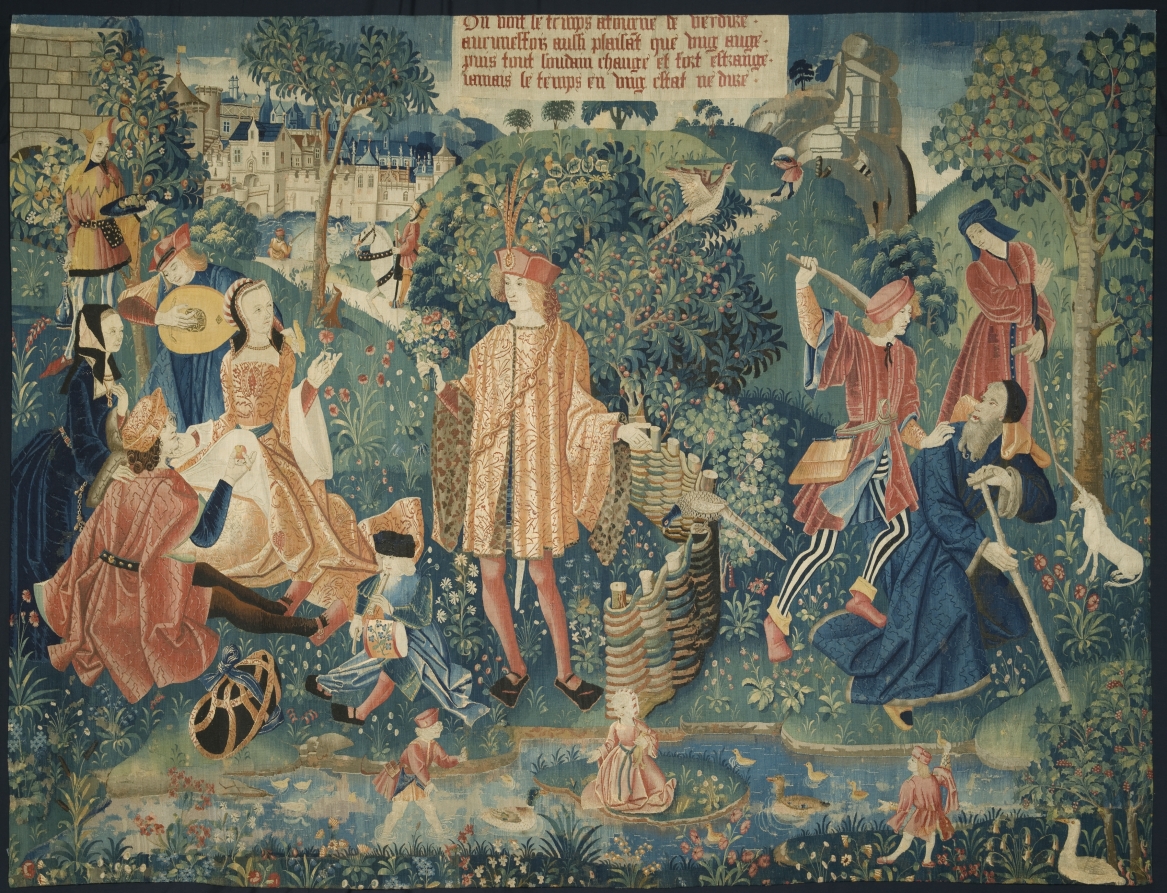
Heritage Research Artifact: The Time Gown, Chateau de Chaumont Set
Provenance and Context
The Time gown, part of the Chateau de Chaumont set, represents a pivotal intersection of French aristocratic patronage and the enduring legacy of imperial silk weaving. Commissioned in the late 19th century for a series of allegorical tableaux at the Chateau de Chaumont-sur-Loire, this garment embodies the temporal narrative of silk’s journey from the royal manufactories of Lyon to the ateliers of Savile Row’s most discerning clients. The gown’s materiality—a sumptuous, hand-woven silk—is not merely decorative but a testament to the technical mastery and cultural capital that defined the silk trade under the Second French Empire and its subsequent influence on British tailoring.
The Chateau de Chaumont set, a collection of allegorical costumes designed for the chateau’s renowned garden festivals, was conceived to celebrate the passage of time through the seasons and the ages. The Time gown, specifically, was intended to personify the inexorable flow of hours, days, and epochs. Its silk fabric, woven in the historic workshops of Lyon—once the epicenter of imperial silk production under Napoleon III—carries the weight of a tradition that began with the silk routes of the Orient and was perfected by French artisans for the courts of Europe. The gown’s design, with its intricate patterns of interlocking gears and celestial motifs, reflects a fascination with horology and the mechanization of time, a theme that resonated deeply in the industrial age.
Materiality and Craftsmanship
The silk used in the Time gown is a gros de Tours weave, characterized by its sturdy yet lustrous texture, achieved through a warp-faced rib structure. This fabric, dyed in a deep, muted indigo with silver-threaded brocading, was produced using a technique known as point de Paris, a method that allowed for the creation of complex, multi-layered patterns without compromising the silk’s natural drape. The silver threads, composed of silk-wrapped silver lamella, were hand-twisted and woven into the fabric to create a subtle, reflective quality that mimics the passage of light through a sundial’s shadow. This level of detail was only possible in the imperial manufactories of Lyon, where master weavers like Charles-François Delorme perfected the Jacquard loom for allegorical and narrative designs.
The gown’s construction further underscores its heritage. The bodice is cut on the bias to follow the natural lines of the body, a technique that requires exceptional silk tension to avoid distortion. The skirt, a full robe à la française silhouette, is pleated in a point d’esprit pattern, which creates a rhythmic, wave-like movement when the wearer walks, evoking the passage of time itself. The sleeves, trimmed with silk taffeta and silver lace, are designed to resemble the hands of a clock, with the cuffs embroidered in a repeating motif of Roman numerals. Every seam is hand-stitched using a backstitch technique, ensuring the garment’s longevity—a nod to the enduring nature of fine silk.
The Legacy of Imperial Silk Weaving
The Time gown is a direct descendant of the silk weaving traditions that flourished under the Second French Empire (1852–1870), when Lyon’s silk industry reached its zenith. Under the patronage of Napoleon III and Empress Eugénie, the imperial manufactories produced silks for the court, the Vatican, and the most prestigious houses of Europe. The Maison de la Soie in Lyon became a center for innovation, developing new weaves such as faile and moiré, which were prized for their ability to capture light and texture. These silks were not merely textiles; they were instruments of diplomacy and status, woven with the stories of empires and the passage of time.
The gown’s design incorporates motifs that are quintessentially imperial: the fleur-de-lis intertwined with hourglasses and scythes, symbols of mortality and the cyclical nature of power. This iconography was popularized by the École des Beaux-Arts and the Gobelins manufactory, which often collaborated with Lyon’s weavers to produce tapestries and costumes for state occasions. The Time gown, however, is unique in its application of these motifs to a wearable garment, blurring the line between costume and art. This reflects a broader trend in the late 19th century, where silk weaving moved beyond courtly dress to influence the emerging world of haute couture and bespoke tailoring.
Savile Row and the Silk Connection
For the discerning gentlemen and ladies of Savile Row, the Time gown represents a rare convergence of French artistry and British tailoring. Savile Row’s legacy of bespoke craftsmanship has long relied on the finest materials, and imperial silk from Lyon was a staple of the Row’s most prestigious houses, such as Henry Poole & Co. and Gieves & Hawkes. The Time gown’s silk, with its robust weave and lustrous finish, is ideally suited for the structured silhouettes favored by Savile Row tailors, who prize fabrics that hold their shape while allowing for movement. The gown’s construction—its precision pleating, hand-finished seams, and meticulous embroidery—echoes the standards of Savile Row, where a single garment can require over 80 hours of handwork.
Moreover, the Time gown’s allegorical theme of temporality resonates with the philosophy of Savile Row, where garments are designed to endure beyond fleeting trends. A bespoke suit or gown is an investment in time, crafted to last decades, much like the silk of the Time gown, which has survived over a century. The gown’s preservation—its silk still supple, its silver threads untarnished—is a testament to the quality of imperial silk weaving and the care of its custodians. It serves as a reminder that true luxury is not about novelty but about the permanence of craftsmanship.
Conclusion
The Time gown from the Chateau de Chaumont set is more than a historical artifact; it is a narrative of silk’s imperial legacy, woven into the fabric of European culture. Its materiality—the gros de Tours weave, the silver-threaded brocading, the point d’esprit pleating—speaks to a tradition of excellence that began in the workshops of Lyon and continues to influence the world of bespoke tailoring. For the heritage specialist, this gown offers a tangible connection to the past, a reminder that time, like silk, is both fragile and enduring. In the hands of Savile Row, such a garment would be revered not only for its beauty but for the story it tells—a story of empires, artisans, and the eternal passage of time.