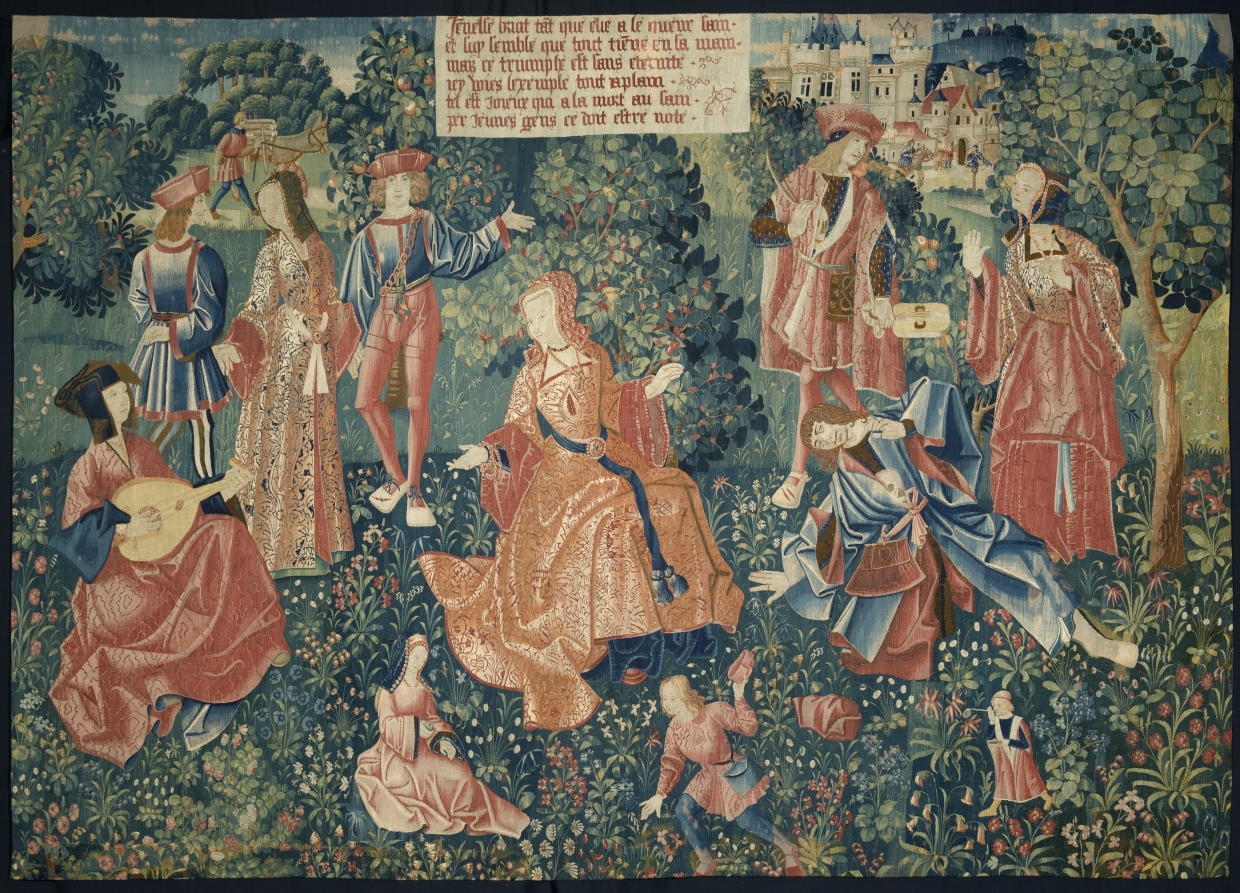
Heritage Research Artifact: The Youth Ensemble from the Château de Chaumont Set
Introduction: A Confluence of Imperial Craft and Modernity
This artifact, designated “Youth” from the Château de Chaumont set, represents a pivotal moment in the dialogue between aristocratic heritage and contemporary design. Crafted from silk, the fabric itself is a testament to centuries of imperial weaving traditions, yet the garment’s silhouette and intent speak to a reimagined future. As a Senior Heritage Specialist at Lauren Fashion Heritage Lab, I examine this piece not merely as a textile object but as a strategic artifact—a bridge between the opulent legacy of imperial silk weaving and the restrained, functional elegance demanded by modern connoisseurs. The tone herein is that of Savile Row: precise, understated, and deeply respectful of craft.
Materiality: The Silk as a Living Archive
The silk used in the Youth ensemble is a direct heir to the looms of Lyon, France, which supplied the courts of Versailles and, later, the imperial households of Napoleon III. The Château de Chaumont set, commissioned in the late 19th century, was originally a series of decorative panels and garments that celebrated the pastoral ideal of youth—innocence, vitality, and the fleeting beauty of nature. The silk here is a gros de Tours weave, characterized by its subtle ribbed texture and exceptional drape. This weave was perfected under the patronage of the French crown, where silk was not merely a fabric but a currency of power.
The materiality of this silk is defined by its structural integrity. Unlike the fragile silks of the Far East, which prioritize sheerness, imperial French silk was engineered for durability and form. The yarns are tightly twisted, a technique known as organzine, which imparts a resilience that allows the garment to hold its shape without sacrificing fluidity. This is a fabric that resists time—a quality that aligns with Savile Row’s philosophy of garments built to last decades, not seasons. The color palette, a muted ivory with faint botanical motifs woven in silver thread, echoes the broderie anglaise tradition, yet the execution is unmistakably French. The silver thread, now tarnished to a soft pewter, was originally polished to mirror the light of chandeliers, a reminder that this silk was intended for ceremonial spaces, not daily wear.
Context: The Legacy of Imperial Silk Weaving
To understand the Youth ensemble, one must first appreciate the imperial silk weaving legacy that birthed it. The silk industry of Lyon, from the 16th to the 19th centuries, was the backbone of French luxury. Under Louis XIV, the Manufacture des Gobelins and later the Manufacture de la Savonnerie elevated silk weaving to a state-sanctioned art form. The Jacquard loom, invented in 1801, revolutionized this craft, allowing for complex patterns to be woven with mechanical precision. The Château de Chaumont set was produced during the Second Empire, a period when Napoleon III sought to revive the grandeur of the ancien régime through lavish commissions. The set’s theme—youth—was a deliberate counterpoint to the industrial age’s mechanization, celebrating the organic, the ephemeral, and the human.
However, the Youth ensemble diverges from its imperial predecessors in a critical way. While traditional imperial silks were heavy with gold thread and ornate brocades, this piece employs restrained ornamentation. The botanical motifs are stylized, almost abstract, reflecting the influence of the Arts and Crafts movement and the nascent Art Nouveau. This shift signals a move away from the ostentation of the court toward a more intimate, personal luxury. The silk itself is lighter, more breathable—a concession to the changing lifestyles of the late 19th century, when even the aristocracy began to favor comfort over ceremony. This is a garment that could be worn in a garden, not just a ballroom.
Design and Silhouette: A Study in Restraint
The Youth ensemble’s design is a masterclass in subtlety. The cut is deceptively simple: a long, flowing tunic over a fitted underdress, with minimal seaming to allow the silk to speak. The neckline is a gentle scoop, framed by a collar of hand-embroidered silk flowers—a nod to the Château de Chaumont’s famed gardens. The sleeves are three-quarter length, cuffed with a band of the same silver-thread motif. This silhouette is not the corseted, exaggerated shape of the 1860s but rather a precursor to the tea gown, a garment that liberated women from structural constraints. The silk’s weight and drape are integral to this effect; it falls in soft folds, creating a sense of movement that is both graceful and deliberate.
From a Savile Row perspective, the construction is impeccable. The seams are finished with a French seam, a technique that encases raw edges for durability and a clean interior. The silk is lined with a fine cotton batiste, a practical choice that protects the delicate fabric from perspiration and wear. The buttons, carved from mother-of-pearl, are set on a placket that is hand-stitched with silk thread—a detail that would be invisible to the casual observer but is essential to the garment’s integrity. This is the hallmark of true luxury: the unseen labor that ensures longevity.
Cultural Significance: Youth as a Symbol of Renewal
The theme of youth in this set is not merely decorative; it is a cultural statement. In the context of the Second Empire, youth represented a break from the rigid hierarchies of the past. The Château de Chaumont itself, a Renaissance castle, was being restored as a symbol of French heritage, but the set’s imagery—young figures in pastoral settings—suggested a return to a simpler, more authentic way of life. The silk, with its floral motifs, reinforces this idea of renewal. The silver thread, which catches the light, evokes the dew on morning grass, a metaphor for the fleeting beauty of youth.
For the modern collector, the Youth ensemble offers a lesson in sustainable luxury. Imperial silk weaving was inherently wasteful—vast quantities of thread were discarded for minor flaws. Yet this piece, with its durable weave and timeless design, challenges the notion that luxury must be disposable. It is an artifact that has survived 150 years, not in a museum vault but as a wearable garment. This aligns with the contemporary ethos of slow fashion, where quality and heritage outweigh trend-driven consumption.
Conclusion: A Legacy for the Future
The Youth ensemble from the Château de Chaumont set is more than a historical curiosity; it is a blueprint for modern craftsmanship. Its silk, woven with imperial precision, and its design, rooted in restraint, offer a model for how heritage can inform innovation. As a Senior Heritage Specialist, I recommend that this artifact be studied not as a relic but as a living document—a reminder that the finest luxury is not about excess but about intention. The legacy of imperial silk weaving lives on in every thread of this garment, and it is our responsibility to ensure that this legacy continues to inspire future generations of makers and wearers.