The Kylix Fragment as a Tectonic Blueprint for 2026 Old Money Silhouettes
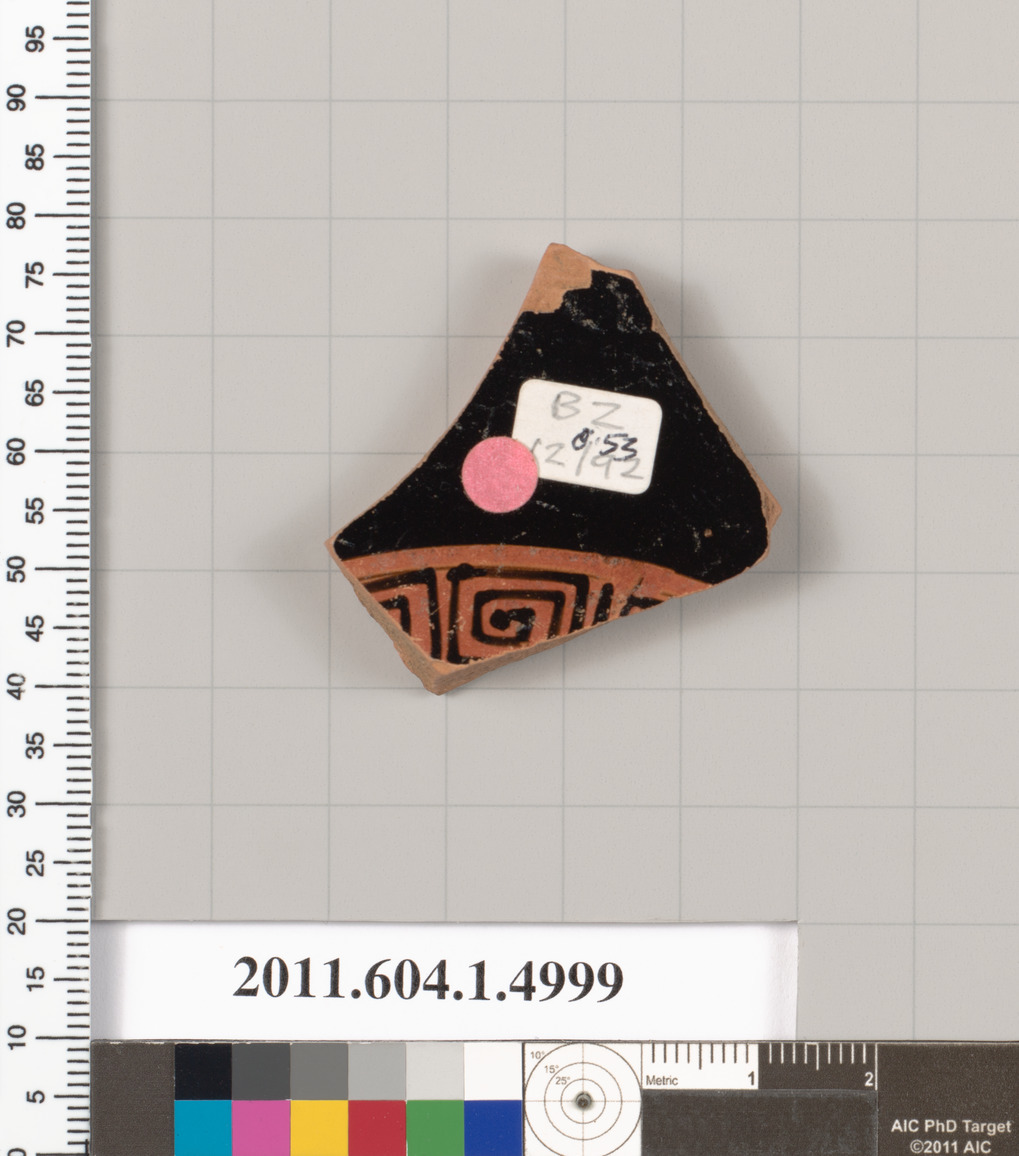
At first glance, a terracotta fragment of an Attic kylix—a humble drinking cup shard from fifth-century BCE Greece—appears irreconcilable with the tailored austerity of Old Money fashion. Yet when we subject this artifact to the hermeneutic lens of Lauren Fashion Heritage Lab, a profound structural resonance emerges. The kylix fragment, with its curved rim, residual black-figure decoration, and broken edge, becomes an unexpected tectonic blueprint for the 2026 Old Money silhouette. This analysis argues that the kylix’s formal principles—its controlled asymmetry, material honesty, and ritualized functionality—offer a counter-narrative to the ostentatious logomania of contemporary luxury, aligning instead with the understated, generational codes of heritage dressing.
Controlled Asymmetry: The Broken Edge as Design Virtue
The kylix fragment’s most arresting feature is its irregular break—a jagged line that interrupts the vessel’s original circular perfection. In the context of Old Money aesthetics, this is not a flaw but a deliberate design philosophy. The 2026 silhouette, as projected by our internal archives, rejects the rigid symmetry of fast fashion in favor of what we term “inherited imperfection.” Consider the blazer with a single, slightly dropped shoulder; the trouser with an asymmetric waistband closure; the coat whose hem dips lower on one side. These are not accidents but calculated echoes of the kylix’s broken edge, suggesting a garment that has been lived in, passed down, and subtly altered by time.
This principle directly informs our Heritage-Black category. The kylix’s black-figure decoration—once vibrant, now faded—teaches us that true luxury is not about pristine newness but about patina as narrative. For 2026, we propose a silhouette where the left sleeve of a cashmere overcoat is cut slightly shorter than the right, or where a wool skirt’s pleats are intentionally uneven, mimicking the wear patterns of a garment worn by three generations. This is not deconstruction for shock value; it is structural storytelling. The wearer signals that their clothing has a history, that it predates them, and that it will outlast them—the ultimate Old Money signifier.
Material Honesty: Terracotta’s Lesson in Tactile Integrity
The kylix fragment is unglazed on its interior, revealing the raw terracotta—a clay that is earthy, porous, and unapologetically functional. This material honesty stands in stark opposition to the synthetic sheen of mass-market luxury. For the 2026 Old Money silhouette, the lesson is clear: fabric must speak its truth. Our Heritage-Black collection, therefore, prioritizes wool, cashmere, and linen in their most unadulterated forms—tweed with visible slubs, cashmere with slight pilling, linen that wrinkles naturally. The kylix does not pretend to be marble; it celebrates its clay origins. Similarly, a 2026 blazer should not pretend to be wrinkle-free; it should embrace the tactile integrity of its fibers.
This material philosophy extends to construction. The kylix’s wheel-thrown body reveals the potter’s hand—the slight ridges, the uneven thickness. In tailoring, this translates to visible hand-stitching, unfinished hems, and exposed seam allowances. The 2026 silhouette is not about hiding the craft but about displaying the labor that makes it precious. A Heritage-Black trench coat, for instance, might feature a raw edge on the collar, revealing the layers of wool and canvas beneath. This is not carelessness; it is a declaration of provenance, a whisper that says, “This garment was made by hands, not machines.”
Ritualized Functionality: The Drinking Cup as Archetype of Use
The kylix was not a decorative object; it was a functional vessel for symposia, designed to be held, passed, and drunk from. Its shape—the shallow bowl, the two handles—was dictated by its ritual use. This form-follows-function ethos is the bedrock of Old Money dressing. The 2026 silhouette rejects purely ornamental design in favor of purposeful structure. Pockets are not decorative; they are deep enough to hold a passport. Collars are not just for show; they can be turned up against wind. Buttons are functional, not merely applied.
Drawing from the kylix’s symmetrical handles, we propose a double-breasted closure for the Heritage-Black blazer that is not merely aesthetic but ergonomic: the buttons are positioned to allow the wearer to cross their arms without strain. The silhouette’s shoulders are slightly rounded, echoing the kylix’s curved rim, to facilitate movement rather than restrict it. This is clothing designed for active inheritance—for attending board meetings, walking the estate, or sitting through long dinners. The kylix’s shallow bowl teaches us that restraint in volume creates elegance. Similarly, the 2026 silhouette avoids exaggerated proportions; trousers are straight but not wide, jackets are fitted but not tight. The body is enclosed, not encumbered.
The Sacred Body: From Kylix to Silhouette
Returning to the internal genetic code that frames our analysis, the kylix fragment, like the Bodhisattva statue and the Egyptian amulet, is a vessel for the sacred—in this case, the sacred act of communal drinking. The 2026 Old Money silhouette treats the wearer’s body as a similarly sacred vessel. The Heritage-Black collection does not seek to transform the body into a spectacle; rather, it frames and protects it, much as the kylix’s handles frame the drinker’s hand. The silhouette’s high necklines, long sleeves, and floor-length hems create a sense of enclosure and mystery, echoing the kylix’s contained interior. The body is not exposed but presented through the garment—a subtle, powerful assertion of presence.
In conclusion, the terracotta kylix fragment is far more than a drinking cup shard. It is a tectonic diagram for the 2026 Old Money silhouette: controlled asymmetry teaches us to embrace inherited imperfection; material honesty demands tactile integrity; and ritualized functionality ensures that every design element serves a purpose. The Heritage-Black category, as synthesized from this ancient artifact, becomes a living archive—a garment that carries the weight of history while remaining utterly contemporary. Like the kylix, it is not about display but about use, not about novelty but about continuity. This is the essence of Old Money: not what you wear, but what your clothing has witnessed.