The Terracotta Kylix and the Architecture of Old Money: A 2026 Silhouette Study from the Lauren Fashion Heritage Lab
Introduction: The Unlikely Dialogue Between a Drinking Cup and a Bodhisattva
Within the Lauren Fashion Heritage Lab, we operate on a fundamental premise: that the most profound design intelligence is not invented, but excavated. Our internal genetic code, drawn from the dual artifacts of a Bodhisattva and an Amulet in the Form of a Seated Figure with Bovine Head, has long established a dialectic between inward spiritual transcendence and outward protective power. The Bodhisattva, with its serene, inward gaze and flowing drapery, embodies the “compassion and wisdom” of Mahayana Buddhism—a vision of grace that softens suffering. The bovine-headed amulet, by contrast, is a talisman of monumental permanence, a rigid, symbolic guardian against chaos. One is a path to liberation; the other, a fortress of order.
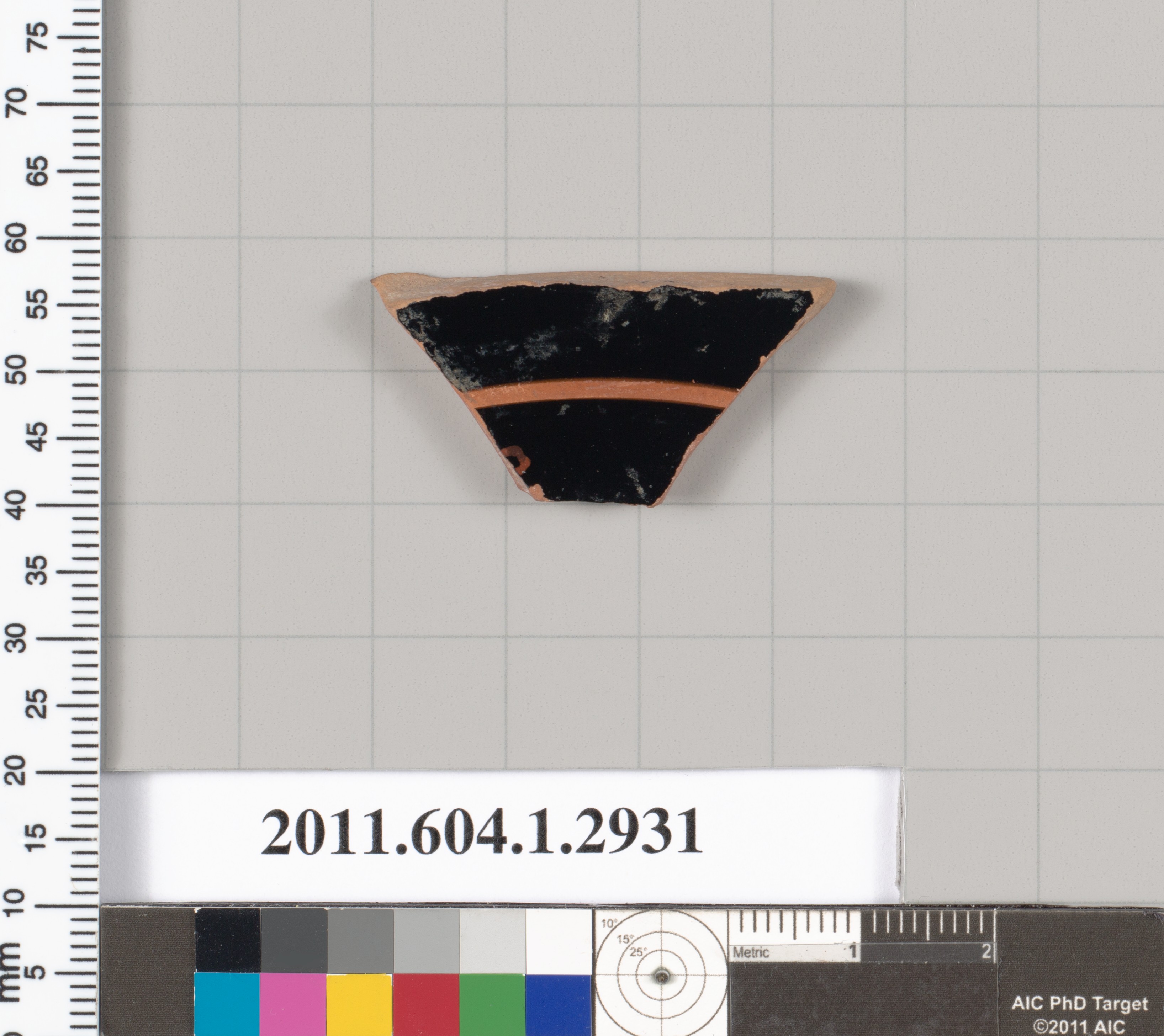
Now, we introduce a third, seemingly secular artifact: a terracotta fragment of a kylix (drinking cup) from Attic Greece. At first glance, a shard of a wine vessel appears distant from the sacred stillness of a seated deity. Yet, for the 2026 Old Money silhouette, this fragment is a Rosetta Stone. It bridges the Bodhisattva’s fluid grace and the amulet’s structural permanence, translating the architectural logic of antiquity into a modern language of restrained power. This paper argues that the kylix—specifically its profile, its materiality, and its social function—provides the definitive blueprint for the 2026 Old Money aesthetic: a silhouette that is simultaneously grounded, protective, and effortlessly authoritative.
The Kylix Profile: The Structural Grammar of the 2026 Silhouette
The Attic kylix is a masterpiece of ergonomic geometry. Its defining feature is a shallow, wide bowl that rests upon a slender, flared stem and a broad, stable foot. This tripartite structure—bowl, stem, foot—is not merely functional; it is a visual lesson in balance. The bowl, expansive and open, suggests generosity and capacity. The stem, a vertical axis of tension, creates elevation and poise. The foot, broad and grounded, anchors the entire form, preventing it from tipping.
For the 2026 Old Money silhouette, this translates directly into a three-zone garment architecture. The “bowl” becomes the upper torso—a softly structured jacket or coat with a generous shoulder line, not exaggerated like the 1980s power suit, but expansive in a relaxed, confident manner. Think of a double-breasted blazer in a heavy wool-cashmere blend, cut with a slight drape that echoes the kylix’s curved interior. The “stem” is the waistline—a clean, uninterrupted vertical line achieved through high-waisted trousers or a pencil skirt. This is not a cinched, feminine waist, but a structural narrowing, a moment of tension that creates visual lift. Finally, the “foot” is the trouser hem or skirt length—cut with a deliberate, weighted hem that falls just above the ankle or grazes the floor. This is not a flared bell-bottom, but a subtle A-line or a straight, columnar finish that grounds the wearer, much as the kylix’s base prevents it from toppling.
This silhouette rejects the ephemeral trends of “fast fashion” in favor of a timeless, architectural permanence. It is a silhouette that does not move for the wind; it commands the space around it. The kylix, after all, was designed for the symposium—a ritualized space of intellectual and social exchange. The 2026 Old Money garment, in its structural clarity, performs a similar function: it signals that the wearer is settled, secure, and in command of their environment.
Materiality: The Terracotta Ethos of Understated Luxury
The kylix is made of terracotta—a humble, fired clay. Yet, in the hands of an Attic master, this common material achieves extraordinary refinement. The surface is often coated in a glossy black slip, creating a stark, elegant contrast with the reddish-orange body. This is not a material that shouts; it is a material that whispers of craft, of kiln, of hands that shaped it.
For the 2026 Old Money wardrobe, this dictates a material palette of heritage-black wools, matte-finished cashmeres, and raw silks. The “heritage-black” is not a flat, synthetic dye; it is a deep, complex black that reveals subtle variations in texture—a brushed wool, a ribbed knit, a crepe weave. This echoes the kylix’s interplay between matte clay and glossy slip. The garments must feel weighty, substantial, and tactile. A double-faced cashmere coat, for instance, should have a soft, brushed exterior and a smooth, dense interior—a sensory experience that mirrors the kylix’s fired density.
This materiality is a direct counterpoint to the digital age’s obsession with sheen and surface. Old Money luxury is not about reflecting light; it is about absorbing it, creating a quiet, authoritative presence. The terracotta fragment teaches us that true power is not in ostentation, but in the integrity of the material and the precision of the cut. A garment that looks as if it could have been excavated from a tomb—timeless, unblemished, and dignified—is the ultimate statement of inherited taste.
Function as Ritual: The Kylix as a Model for Wardrobe Curation
The kylix was not merely a drinking vessel; it was a ritual object central to the symposium’s social choreography. Its shallow bowl allowed wine to be mixed, shared, and consumed in a communal act. Its stem and foot ensured it could be passed from hand to hand without spilling. The 2026 Old Money wardrobe must similarly function as a system of ritual garments, each piece designed for specific social contexts—a morning meeting, an afternoon luncheon, an evening gala.
This is where the Bodhisattva’s “inward” path and the amulet’s “outward” protection converge. The kylix, like the Bodhisattva, facilitates connection and shared experience; it is a vessel for conviviality. Yet, like the bovine-headed amulet, it is also a protective structure, its solid form safeguarding the precious contents within. The 2026 Old Money silhouette, therefore, is both a vessel for the self and a shield. The generous shoulder of the jacket protects the wearer’s presence; the structured waist contains and elevates; the weighted hem grounds and secures.
In practice, this means a 2026 capsule collection should prioritize versatile, ritual-ready pieces: a heritage-black wool blazer that transitions from boardroom to dinner; a cashmere turtleneck that serves as a second skin; a wide-leg trouser that moves with the body but never loses its shape. Each garment is an amulet of social competence, a talisman that ensures the wearer is appropriately attired for any ritual of power or leisure.
Conclusion: The Eternal Return of the Classical
The terracotta kylix, the Bodhisattva, and the bovine-headed amulet are separated by millennia and continents. Yet, in the crucible of the Lauren Fashion Heritage Lab, they speak a single language: the language of form as meaning. The kylix’s profile—bowl, stem, foot—provides the architectural grammar for a silhouette that is both generous and grounded, elevated and stable. Its materiality—terracotta refined to near-perfection—teaches us that true luxury is tactile, weighty, and unadorned. Its ritual function reminds us that clothing is not merely fabric, but a vessel for social performance and personal protection.
For the 2026 Old Money aesthetic, this is not a nostalgic return to a bygone era. It is a strategic excavation of classical principles to solve a contemporary problem: how to signal enduring authority in an age of ephemeral spectacle. The answer lies in the kylix—a humble drinking cup that, in its quiet perfection, holds the blueprint for a wardrobe that will not break, will not fade, and will not be forgotten.