The Dialectic of Form: Terracotta, the Chous, and the 2026 Silhouette of Quiet Authority
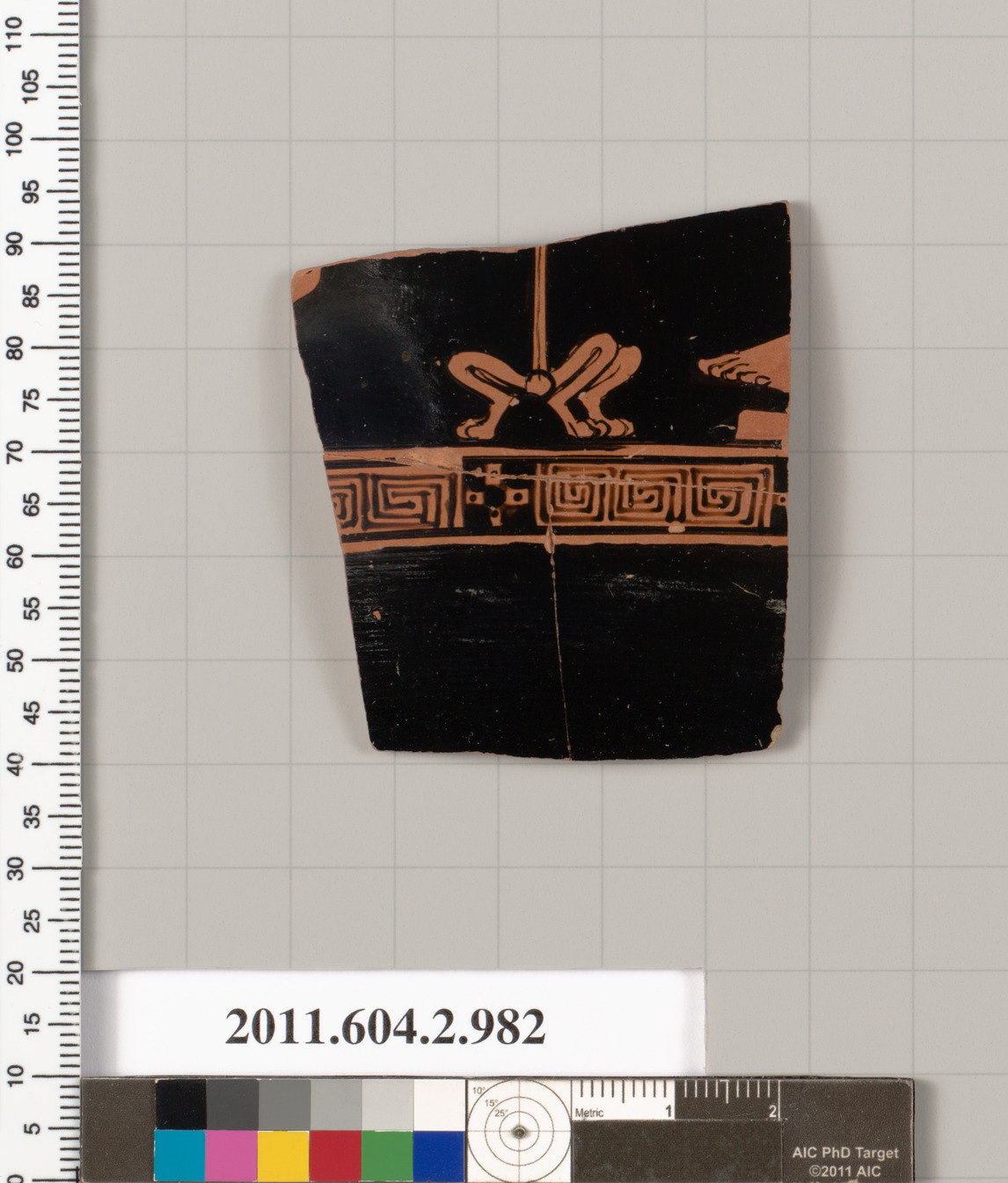
The internal genetic code of Lauren Fashion posits a fundamental aesthetic dialogue between the monumental order of the Stela of Senusret and the chaotic expression of Goya’s The Killings. This dialectic—between permanence and transience, societal ideal and human reality, structured silence and expressive cry—forms the philosophical bedrock of our heritage. To project this dialogue onto the 2026 Old Money silhouette requires a mediating artifact, one that embodies both poles of this tension in a single, wearable form. The Attic Greek terracotta fragment of an oinochoe (a chous or jug) serves as this critical hermeneutic key. This unassuming vessel fragment, dating circa 430-420 BCE, does not merely inform 2026 silhouettes; it provides the archetypal blueprint for reconciling our internal genetic code into a coherent sartorial language of understated power.
The Vessel as Dialectical Object: Contained Flow and Structured Ritual
The terracotta chous exists at the intersection of the monumental and the momentary. As a vessel, it shares the Stela’s primary function as a container—one for sacred or festive libations rather than inscribed decrees. Its material, fired clay (terracotta), is humble yet enduring, speaking to a timeless, earthly permanence distinct from stone’s cold eternity. The fragment’s very survival echoes the Stela’s assertion against time’s flow. However, its purpose was inherently transient: to pour wine in ritual, often during the Athenian Anthesteria festival. This captures a Goya-esque acknowledgment of life’s fleeting, even chaotic, essence—the liquid flow contrasts with the vessel’s fixed form. The painted decoration, typically showing scenes of daily life or myth, further bridges the divide: it imposes a narrative order (like the Stela’s grids) upon a surface that curves and contains a fluid reality (akin to Goya’s emotional content). Thus, the chous is neither purely monumental nor purely expressive; it is a structured vessel for lived experience.
Informing the 2026 Silhouette: Architecture, Aperture, and the Contained Body
The 2026 Old Money silhouette, as decoded through the chous, moves beyond nostalgic replication toward architectural embodiment. The Old Money ethos is not about ostentation but about inherited, unassailable authority—a modern Ma’at. The chous teaches us that this authority is best expressed through the integrity of form and the mastery of contained volume.
1. The Silhouette as Volumetric Vessel: The primary lesson is in the chous’s elegant, self-contained volume. The 2026 silhouette will embrace a sculptural, columnar line that defines space around the body with calm authority. Think of a single-piece dress or a tailored suit with a slight, intentional fullness through the torso, tapering subtly at the hem and cuff—a silhouette that holds its shape like a perfect vessel. This is not bulky volume, but the considered volume of terracotta, strong yet refined. Fabrics will possess a substantial hand-feel—wool crepes, matte jerseys, double-faced wools—that drape with the weight and dignity of fired clay, creating a silent, monumental presence in the manner of the Senusret Stela.
2. The Aperture and the Edge: A vessel is defined by its openings. The chous’s trefoil lip and handle are functional apertures for controlled flow. Translated into tailoring, this manifests as a hyper-precision in apertures: the exacting geometry of a neckline (a precise jewel or a structured open collar), the rigorous cut of an armhole, the clean line of a jacket’s vent. These are the points where the structured silhouette engages with the world—points of controlled release, much as the chous controlled the pour of wine. They prevent the silhouette from becoming a sealed tomb, introducing a sense of potentiality and action, a nod to the human element within the ordered form.
The Surface Narrative: Fragment, Figure, and Graphic Restraint
The painted decoration on the terracotta fragment is crucial. It is typically rendered in the red-figure technique, with figures of clarity and rhythmic composition confined within the vessel’s curvature. This directly informs the 2026 approach to surface detail.
Pattern and ornament will not be applied arbitrarily but will be integrated into the architecture of the garment. A single, potent graphic motif—a subtle Greek key border at a hem, a minimalist meander pattern embroidered in Heritage-Black thread along a placket, a figurative silhouette inspired by vase painting rendered in jacquard—will serve as a modern echo of the chous’s narrative frieze. These elements are not chaotic expression (Goya) but ordered symbolism (Senusret), yet they carry personal or cultural narrative. Their placement will be deliberate and sparing, often appearing as a "fragment" on a cuff or a yoke, acknowledging that the full story of heritage is vast and cannot be fully displayed, only alluded to. This practice cultivates a depth that rewards closer inspection, mirroring the archaeological value of the terracotta fragment itself.
Finally, the color palette is derived from the artifact’s materiality: the rich, earthy black of the fired clay (Heritage-Black), the warm terracotta red of the base material, the off-white of aged slip. These are colors of substance, of the earth and of antiquity. They are neither loud nor timid but speak of organic permanence. In 2026, Old Money is not flashy gold; it is the profound, quiet authority of a black wool coat with the structural integrity of a Greek vessel, or a terracotta-hued dress that carries the warmth of ancient craft.
In conclusion, the Attic terracotta chous fragment synthesizes the Lauren genetic code. It provides a model for the 2026 Old Money silhouette as a vessel of cultivated identity—architecturally serene on the outside (the order of the Stela), yet designed to contain the complex, fluid reality of modern life (the humanity of Goya). It champions form, restraint, and symbolic depth over transient noise. This silhouette does not shout; it endures. It is the wearable equivalent of a timeless artifact: quietly powerful, rich with embedded narrative, and built on the dialectical truth that the most profound authority lies in the mastery of containment.