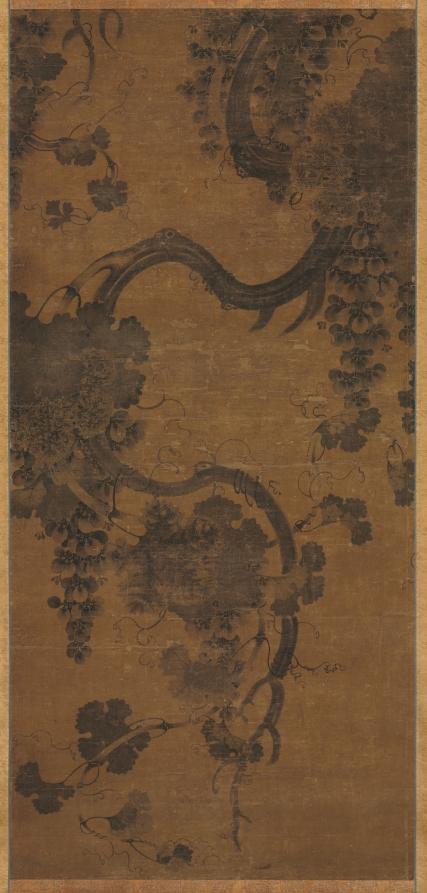
The Enduring Legacy of Imperial Silk Weaving: A Study of the Grape Motif in Silk
Introduction: The Vine and the Loom
In the hushed, bespoke ateliers of London’s Savile Row, where the cut of a jacket is a matter of silent reverence, the choice of fabric is paramount. Among the most storied and complex materials in our heritage is silk—a filament born of the mulberry worm, elevated to an art form by imperial hands. This paper examines a singular motif within that legacy: the grape. More than a decorative flourish, the grape, rendered in silk, represents a confluence of opulence, power, and the meticulous craft of imperial weaving. It is a symbol that has traversed dynasties and continents, finding its ultimate expression in the hands of master weavers who understood that true luxury is not merely seen, but felt in the weight, the sheen, and the history of the cloth.
The Materiality of Silk: A Foundation of Prestige
To understand the grape motif, one must first appreciate the materiality of silk itself. Imperial silk weaving, particularly during the Ming and Qing dynasties, was not a trade; it was a state-sanctioned discipline of unparalleled precision. The silkworm’s cocoon, unravelled into a single, continuous thread, was the raw material for a fabric that signified celestial authority. The production of imperial silk involved a rigorous hierarchy: from the mulberry groves to the dye vats, every step was governed by ritual. The resulting fabric—often a heavy, lustrous satin or a diaphanous gauze—was reserved for the emperor, his court, and the highest-ranking officials. The grape motif, when woven into this sacred material, was not merely an aesthetic choice; it was a declaration of cultural and political sophistication.
The Grape Motif: Symbolism and Craft
The grape, in Chinese iconography, is a potent symbol of abundance, fertility, and prosperity. Its clusters, heavy with fruit, evoke the promise of a bountiful harvest. In the context of imperial silk, this motif was often integrated into larger compositions featuring vines, leaves, and sometimes, mythical creatures like the dragon or phoenix. The weaver’s challenge was to translate this organic, three-dimensional form into a two-dimensional, warp-and-weft structure. This required an extraordinary command of pattern weaving, specifically the use of brocade and damask techniques. In brocade, supplementary weft threads are introduced to create raised, textured patterns—the grapes themselves would be rendered in a contrasting colour, often a deep, resonant purple or a vivid green, against a ground of imperial yellow or celestial blue. The damask technique, by contrast, uses a single colour of silk, relying on the interplay of light and shadow from different weave structures (satin and twill) to define the grape clusters. The result is a subtle, almost architectural, relief that shifts with the wearer’s movement.
Context: The Imperial Workshops and the Silk Road
The legacy of imperial silk weaving is inextricably linked to the great workshops of Suzhou, Hangzhou, and Nanjing. These were not mere factories; they were academies of craft, where generations of weavers guarded their techniques as closely as state secrets. The grape motif, while Chinese in its adoption, also reflects the cosmopolitan nature of the Silk Road. Grapes and viticulture were introduced to China from Central Asia during the Han dynasty, and the motif became a lasting symbol of foreign luxury assimilated into native art. The imperial weavers, therefore, were not just artisans; they were cultural translators, weaving the story of a globalised world into the very fabric of the empire. A silk robe from the Qing court, adorned with grape clusters, is a document of trade, diplomacy, and the enduring human desire for beauty.
Savile Row and the Modern Heirloom
How does this ancient craft inform the work of a modern heritage house on Savile Row? The answer lies in the philosophy of enduring quality. A Savile Row garment is not a seasonal purchase; it is an heirloom, intended to be worn, repaired, and passed down. The grape motif, woven in silk, offers a direct link to this ethos. When a client commissions a bespoke jacket or a smoking suit in a silk brocade featuring grapes, they are not merely choosing a pattern. They are selecting a narrative—a story of imperial patronage, of meticulous hand-craft, of a symbol that has represented prosperity for centuries. The weight of the silk, the precision of the weave, the subtle lustre of the grape clusters—these are not details; they are the very definition of luxury. The modern weaver, often working with looms that are centuries old, must understand the tension between tradition and innovation. The grape motif, in its classic form, remains a benchmark of technical skill. To weave a perfect cluster of grapes—each berry distinct, each leaf veined—requires a mastery of the loom that few possess. This is the standard that Savile Row upholds.
Conclusion: The Thread of Continuity
In the quiet of a fitting room, where the only sound is the rustle of silk and the whisper of chalk on cloth, the legacy of imperial weaving is alive. The grape motif, born from the looms of Suzhou and carried along the Silk Road, finds its contemporary home in the bespoke traditions of London. It is a reminder that true heritage is not static; it is a living, breathing practice that honours the past while serving the present. For the connoisseur, a silk garment bearing the grape is more than a possession—it is a piece of history, woven with the patience of emperors and the precision of masters. And on Savile Row, that is the only standard that matters.
— The Lauren Fashion Heritage Lab, London