From Kylix to Couture: The Terracotta Fragment and the Architecture of Old Money Silhouettes for 2026
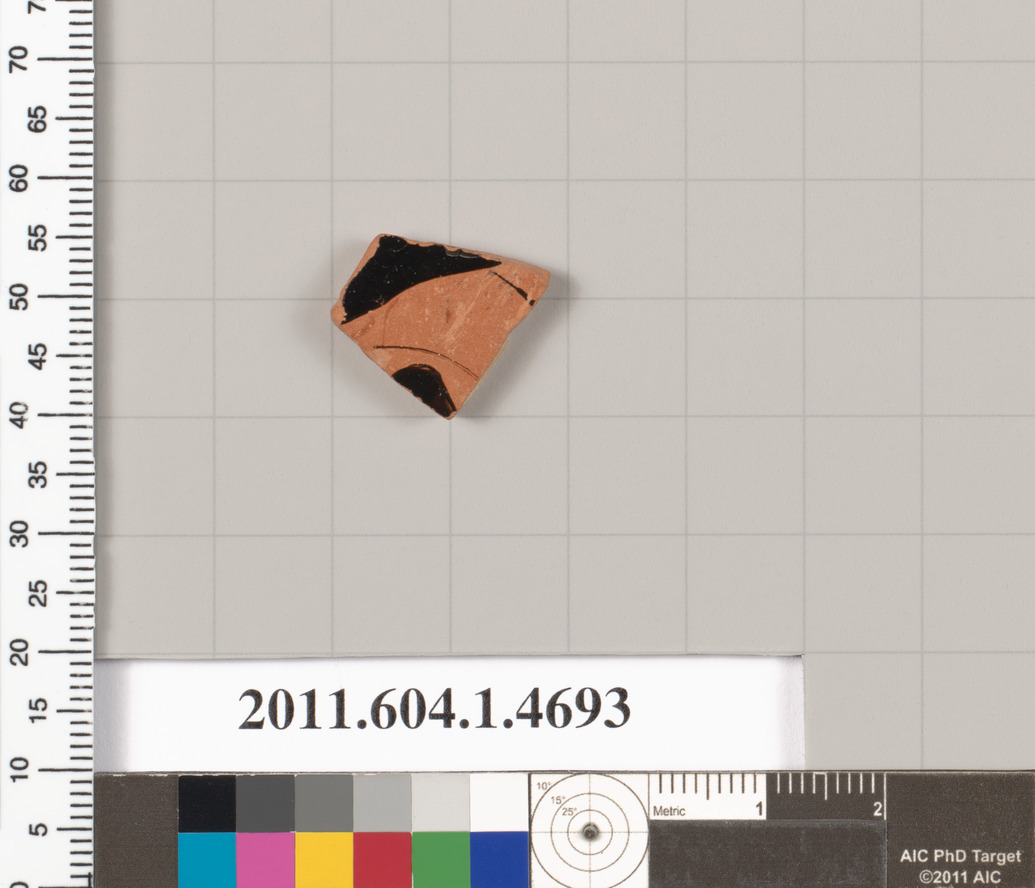
In the lineage of Lauren Fashion Heritage Lab, the study of artifacts is never merely archaeological; it is a dialectical process that unearths the genetic code of enduring elegance. The terracotta fragment of an Attic kylix—a drinking cup from classical Greece—presents a seemingly remote object from the symposiums of antiquity. Yet, when synthesized with the internal philosophical framework of our heritage research—specifically the tension between Western “interrogative” aesthetics and Eastern “contemplative” harmony—this humble shard of fired clay becomes a profound blueprint for the 2026 Old Money silhouette. The kylix fragment, with its broken rim and preserved tondo, does not dictate a trend; it reveals a principle: that true luxury is an architecture of restraint, a vessel for presence, not display.
The Kylix as Philosophical Vessel: Form as Fate
The Attic kylix was not merely a utilitarian object; it was a stage for social ritual, a platform for the symposiast’s performance of wit and virtue. Its shallow bowl, elevated on a slender stem, and its two horizontal handles, demanded a specific posture—a controlled, seated grace. The fragment we study, likely from the late 6th or early 5th century BCE, retains the essential geometry of this form: the curve of the lip, the precise arc of the handle attachment. In its original state, the kylix’s interior (the tondo) often bore a painted scene, revealed only as the drinker drained the wine. This is the artifact’s deepest lesson for fashion: the concealment of narrative until the moment of intimate engagement. The kylix does not shout its story; it withholds it, rewarding the patient observer. This is the very essence of the Old Money aesthetic—a quiet authority that does not seek validation but commands respect through its very stillness.
Our internal genetic code, drawn from the comparative analysis of Ingres’s Oedipus and the Sphinx and the Ming blue-and-white dish, finds a third term in the kylix. Ingres’s painting is a “dramatic instant,” a frozen confrontation with fate. The Ming dish is an “eternal state of mind,” dissolving destiny into natural rhythm. The kylix, however, occupies a liminal space: it is a vessel for the ritualized negotiation of fate. In the Greek symposium, the drinker did not solve the riddle of existence; he participated in a communal act of contemplation, where wine and conversation blurred the boundaries of self. The kylix’s form—open, circular, grounded yet elevated—mirrors this process. It is a container that does not trap but facilitates flow. For the 2026 silhouette, this translates into garments that are not armor against the world but conduits for presence—structures that allow the wearer to inhabit space with deliberate ease.
Translating Terracotta into Textile: The 2026 Silhouette Principles
From the kylix fragment, three architectural principles emerge for the Lauren Heritage 2026 collection, each resonating with the Old Money lexicon of understated power.
First: The Principle of the Tondo. The kylix’s circular tondo is a bounded field of meaning, revealed only upon close inspection. In silhouette, this informs the shoulder line and the neckline. The 2026 Old Money jacket will not feature aggressive padding or exaggerated lapels. Instead, expect a soft, rounded shoulder—a “tondo shoulder”—that creates a continuous, unbroken line from collar to sleeve head. This is not the sharp, interrogative geometry of a power suit; it is the contemplative arc of a vessel. The neckline, whether on a cashmere coat or a silk blouse, will echo the kylix’s lip: a clean, inward-curving edge that frames the face without competing with it. This is the “natural answer” to the “riddle” of the body—a form that accommodates rather than confronts.
Second: The Principle of the Stem. The kylix’s slender stem elevates the bowl, creating a sense of lightness and poise. In the 2026 silhouette, this translates to a lengthened, lean torso. The waist is not cinched but suggested, as the stem of the kylix is not gripped but supports. Trousers will fall with a straight, uninterrupted line from hip to hem, echoing the verticality of the stem. The hemline itself, whether on a skirt or a coat, will hover just above the ground, creating a negative space that mimics the kylix’s clearance from the table. This is not the constriction of a corset but the freedom of a balanced form—a silhouette that moves with the wearer, not against them. The material, whether wool, cashmere, or heavy silk, will be chosen for its ability to hold this line without stiffness, like terracotta that has been fired to a perfect, resilient hardness.
Third: The Principle of the Handle. The kylix’s handles are not merely functional; they are sculptural extensions that define the vessel’s profile. In fashion, this becomes the sleeve and the side seam. The 2026 Old Money sleeve will not be a separate appendage but a continuous flow from the body of the garment, like the kylix’s handle emerging from the bowl. A raglan sleeve or a dolman cut, executed in a heavy wool or a structured brocade, will achieve this effect. The side seam, often neglected, will become a deliberate line of construction—a “handle seam” that traces the body’s contour without gripping it. This is the garment’s answer to the kylix’s invitation: “Take hold, but do not clutch.” The silhouette is designed for the wearer who moves through the world with the same controlled grace as a symposiast lifting his cup.
The Heritage-Black Imperative: Color as Void and Vessel
The category Heritage-Black is not a mere color; it is a philosophical position. In the context of the kylix fragment, black is the void of the tondo before the image appears, the negative space that defines the form. For the 2026 Old Money silhouette, Heritage-Black functions as the ultimate container. It absorbs light, creating a surface that does not reflect but receives. This is the color of the kylix’s interior, where the wine’s darkness mirrors the drinker’s own depths. In Lauren Fashion, Heritage-Black is applied to garments that serve as the ground for the wearer’s presence—a coat that becomes a mobile symposium, a dress that is a vessel for the self. It is not the black of mourning but the black of potentiality, the color that, like the kylix’s fired clay, holds the possibility of narrative without imposing one.
The 2026 silhouette in Heritage-Black will be defined by its absence of ornament. Just as the kylix fragment’s beauty lies in its broken, unadorned surface, the garments will rely on cut, proportion, and the fall of fabric. A single seam, perfectly placed, will replace the need for embroidery. A subtle drape at the back of a jacket will echo the kylix’s curve. This is the aesthetic of the “unfinished”—not as lack, but as invitation. The wearer completes the garment, just as the symposiast completes the kylix by drinking from it. In this, the Old Money silhouette becomes a ritual object, not a display piece.
Conclusion: The Eternal Return of the Vessel
The terracotta fragment of the Attic kylix, when read through the lens of our heritage research, reveals that the most enduring forms in fashion are those that serve rather than assert. The 2026 Old Money silhouette is not a new invention; it is a return to the vessel’s logic—a structure that contains, elevates, and invites. Like the kylix, it does not solve the riddle of existence; it provides the space for the riddle to be lived. In Heritage-Black, this silhouette becomes a meditation on presence, a garment that, like the ancient cup, holds the wine of the wearer’s own story. The fragment is not a ruin; it is a seed. And from it, the 2026 collection will grow—not as a reproduction of the past, but as a vessel for the future.