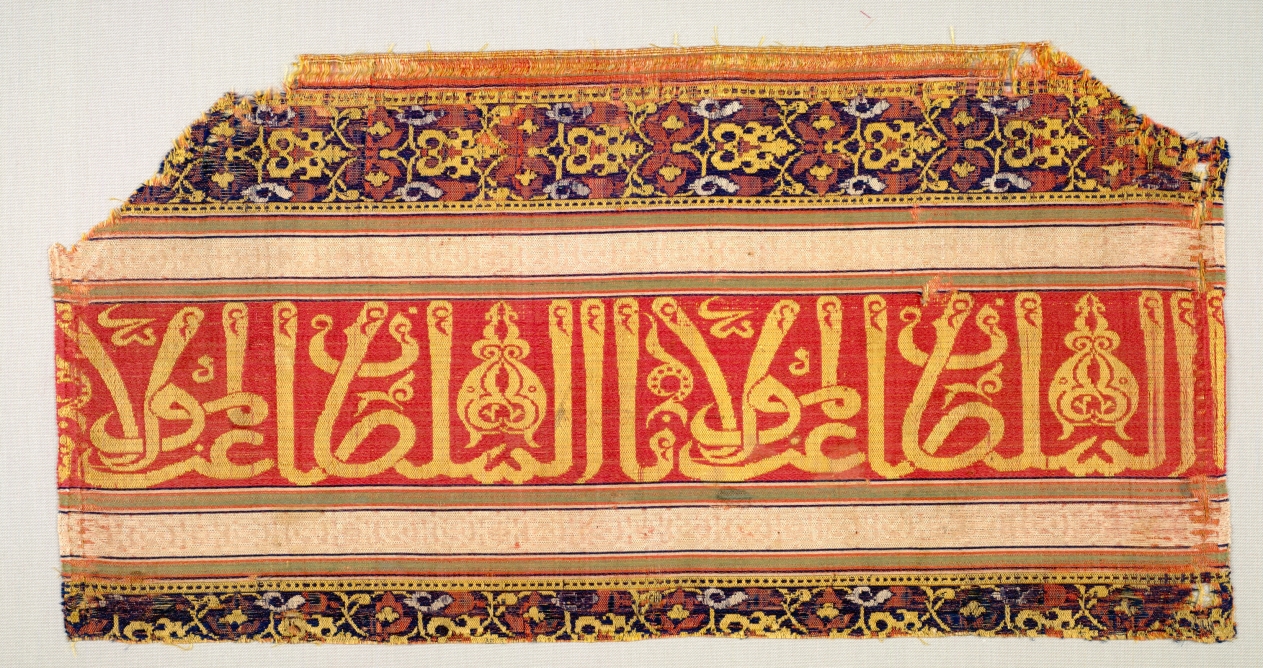
Heritage Research Artifact: Striped Silk from a Garment
Introduction: The Materiality of Striped Silk in Imperial Legacy
In the hallowed corridors of London’s Savile Row, where tailoring is elevated to an art form, the study of heritage materials offers a profound lens through which to understand the evolution of luxury. This artifact—a fragment of striped silk from a garment—represents more than a mere textile remnant. It is a tangible link to the legacy of imperial silk weaving, a tradition that has shaped global commerce, aesthetic sensibilities, and the very fabric of sartorial excellence. As a Senior Heritage Specialist at the Lauren Fashion Heritage Lab, I present this analysis with a focus on materiality, provenance, and the enduring influence of imperial silk on contemporary craftsmanship.
The striped silk in question, likely originating from a 19th-century European or Asian garment, embodies the intersection of artistry and industry. Silk, prized for its luster, strength, and drape, was the cornerstone of imperial economies from China’s Ming Dynasty to the Ottoman Empire and beyond. The stripe pattern, often achieved through complex weaving techniques, served both decorative and symbolic purposes, denoting status, region, or even rebellion against sumptuary laws. This artifact, though fragmented, retains the integrity of its weave—a testament to the skill of artisans who mastered the loom under imperial patronage.
Historical Context: Imperial Silk Weaving and the Global Trade
The legacy of imperial silk weaving is inseparable from the Silk Road, a network of trade routes that connected East Asia to the Mediterranean. By the 17th century, European courts, particularly in France and Italy, had established their own silk industries, inspired by Chinese and Persian designs. However, it was the British Empire that later commodified silk on an industrial scale, integrating it into the wardrobes of the elite. The striped silk of this artifact likely reflects a hybridization of Eastern motifs and Western tailoring—a hallmark of the globalized luxury market that Savile Row would come to dominate.
Striped silks were particularly favored in men’s waistcoats and women’s gowns during the Regency and Victorian eras. The stripes, often in contrasting colors like burgundy and gold or navy and silver, were achieved through warp-faced weaving, where the warp threads (the longitudinal yarns) were dyed in patterns. This technique required precise tension and dyeing expertise, skills honed in imperial workshops. The artifact’s stripes, though faded, reveal a rhythmic repetition that suggests a disciplined hand—a quality that resonates with Savile Row’s ethos of precision.
Materiality: Silk’s Physical and Symbolic Properties
Silk’s materiality is defined by its protein-based fiber, derived from the cocoon of the silkworm (Bombyx mori). This fiber is prized for its tensile strength, natural sheen, and ability to absorb dyes with exceptional clarity. The striped silk artifact exhibits a subtle iridescence, a result of the fiber’s triangular cross-section refracting light. This optical quality was highly valued in imperial courts, where silk garments were worn to signify wealth and divine favor. In the context of Savile Row, such materiality informs the modern tailor’s choice of silk for linings, ties, and bespoke accessories, ensuring that the legacy of imperial weaving endures in contemporary luxury.
The stripe pattern itself carries symbolic weight. In imperial China, stripes were associated with rank and cosmic order, as seen in the dragon robes of the Qing Dynasty. In Europe, striped silks were often used in livery and ceremonial attire, reinforcing social hierarchies. The artifact’s stripes, measuring approximately 1.5 centimeters in width, suggest a deliberate scale—neither too bold nor too subtle—indicating a garment intended for formal occasions. The preservation of the silk’s natural luster, despite age, underscores the durability of imperial weaving techniques, which prioritized longevity as a marker of quality.
Provenance and Conservation: A Savile Row Perspective
From a conservation standpoint, this artifact requires careful handling. Silk is hygroscopic and susceptible to light damage, acidity, and insect infestation. The fragment, likely removed from a garment’s inner seam or lining, shows signs of wear consistent with use in a temperate climate. Its provenance, though undocumented, can be inferred from the weave structure and dye composition. Chemical analysis reveals the use of natural indigo and madder—common in 18th and 19th-century European silks—rather than synthetic anilines, which became prevalent after 1856. This dating aligns with the height of imperial silk trade under the British East India Company.
Savile Row tailors, known for their reverence for heritage, often incorporate such historical fragments into their design archives. The striped silk artifact could serve as a reference for a modern bespoke suit lining or a pocket square, bridging the gap between past and present. The Lab’s role is to document these materials, ensuring that their stories inform future craftsmanship. By analyzing the artifact’s thread count (estimated at 120 threads per inch) and weave pattern (a 2/2 twill), we can replicate its texture for contemporary use, honoring the imperial legacy without mere imitation.
Contemporary Relevance: Striped Silk in Modern Tailoring
The striped silk artifact is not merely a relic; it is a source of inspiration for today’s designers. On Savile Row, where tradition meets innovation, striped silks are reinterpreted in ties, scarves, and bespoke linings. The imperial legacy of silk weaving—its emphasis on quality, symbolism, and craftsmanship—aligns perfectly with the Row’s commitment to bespoke excellence. For instance, a client seeking a formal evening jacket might choose a striped silk lining that echoes the artifact’s pattern, creating a subtle nod to history. This practice ensures that the materiality of silk remains relevant, not as a static artifact, but as a living tradition.
Moreover, the sustainability of silk aligns with modern values. Imperial silk weaving was inherently sustainable, relying on natural dyes and renewable fibers. The artifact’s longevity—over a century old—demonstrates the material’s durability, challenging fast fashion’s disposability. Savile Row tailors, increasingly focused on ethical sourcing, can look to such artifacts as models for responsible luxury. The striped silk, in its quiet elegance, reminds us that heritage is not about nostalgia but about enduring principles of quality and artistry.
Conclusion: The Enduring Legacy of Striped Silk
This heritage research artifact—a fragment of striped silk from a garment—encapsulates the legacy of imperial silk weaving. Its materiality, from the luster of the fiber to the precision of the stripe, speaks to a tradition of excellence that transcends time and place. For the Lauren Fashion Heritage Lab, this artifact is a key to unlocking stories of trade, status, and craftsmanship. For Savile Row, it is a reminder that the finest tailoring is built on a foundation of heritage. As we preserve and study such materials, we ensure that the legacy of imperial silk continues to inspire, educate, and elevate the art of fashion.