The Terracotta Dialectic: On the Philosophical Foundations of Old Money Silhouettes for 2026
Introduction: The Vessel as Existential Archetype
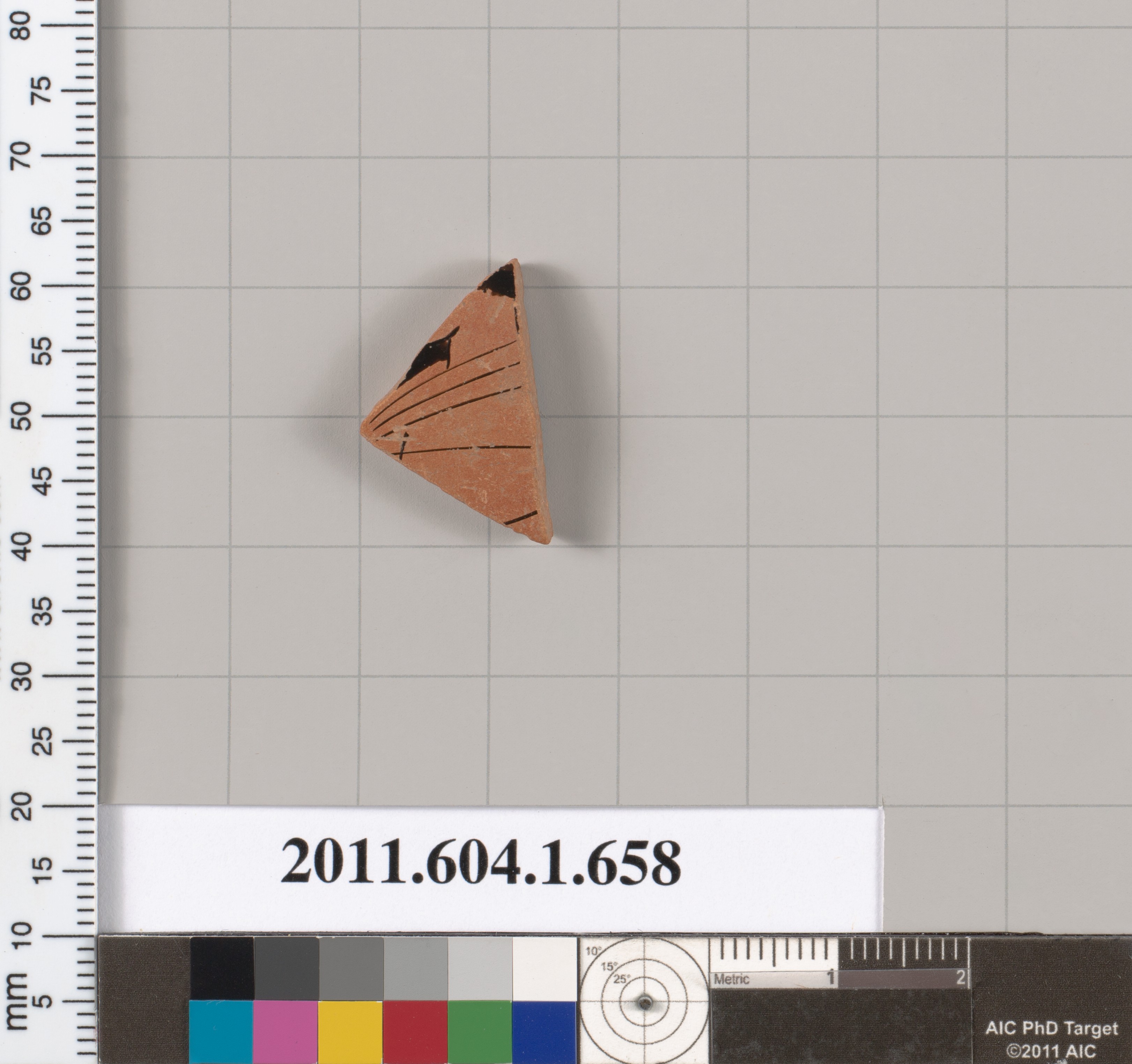
In the Lauren Fashion Heritage Lab, we do not merely study garments; we excavate the philosophical sediments that shape enduring style. The terracotta fragment of a kylix—a Greek Attic drinking cup, now a shard of its former self—serves as our primary artifact. This humble vessel, once raised in symposia where Socrates himself might have debated the nature of the soul, now lies broken. Yet within its fracture lies a profound truth for the 2026 Old Money silhouette: that true luxury is not the accumulation of material, but the mastery of presence through absence. This paper argues that the terracotta kylix, when read through the dual lenses of Western philosophical transcendence and Eastern aesthetic immanence, provides the genetic code for a silhouette that embodies “inherited restraint”—a form that speaks not through ornament, but through the quiet authority of its voids.
Part I: The Kylix and the Philosophy of the Empty Cup
The kylix, in its original function, was an instrument of communal intoxication and dialectic. Its shallow bowl invited wine, but its true purpose was the space it created between drinkers. In Plato’s *Phaedo*, Socrates drinks hemlock from a cup—an act that transforms the vessel from a container of pleasure into a chalice of philosophical death. The terracotta fragment, therefore, is not merely a relic of conviviality; it is a witness to the moment when emptiness becomes meaning. The cup, once full, is now empty; the philosopher, once alive, is now gone. Yet the form persists.
This persistence of form after function is the first principle of the Old Money silhouette. A 2026 jacket, for instance, must not scream its cost through logos or excessive tailoring. Instead, it must hold its shape like a well-worn kylix: the shoulders are broad but soft, the waist is defined but not cinched, the length is generous but not theatrical. The “empty” space within the garment—the air between fabric and body—becomes the site of meaning. Just as the kylix’s value lay in its capacity to be filled and emptied, the Old Money garment’s value lies in its ability to contain a life, not to display a price tag.
Part II: The Dialectic of Death and Durability
The terracotta fragment is a memento mori. It reminds us that all vessels—whether ceramic or corporeal—eventually shatter. Yet the Old Money aesthetic does not flee from this truth; it embraces it. The 2026 silhouette, inspired by this artifact, will favor materials that age with dignity: heavy wool that develops a patina, cashmere that pills and softens, linen that wrinkles into memory. The kylix, once broken, becomes a fragment that still carries the memory of the whole. Similarly, a well-worn blazer or a pair of tailored trousers carries the memory of its wearer’s posture, their gestures, their hours of sitting in boardrooms or libraries.
This is the “Heritage-Black” principle: a color that is not a color, but an absence of light that contains all possibility. The terracotta’s earthy red-brown is the opposite—a color of clay, of blood, of life. Yet both speak to the same truth: that durability is not about resisting decay, but about becoming beautiful through it. The 2026 Old Money silhouette will reject fast fashion’s obsession with the new. Instead, it will celebrate the “already-lived” quality of garments that have been passed down, repaired, and re-worn. The kylix fragment, though broken, is still a cup; the garment, though aged, is still a statement of lineage.
Part III: The Void as Aesthetic Principle
Returning to the Eastern perspective: the *Jar* that holds the void. Laozi’s *Tao Te Ching* teaches that the utility of a vessel lies in its emptiness. The terracotta kylix, when inverted, becomes a dome—a negative space that once held wine, now holds air. This inversion is key to the 2026 silhouette. The Old Money look is not about what is added, but about what is subtracted. The absence of a tie, the deliberate looseness of a collar, the slight drape of a sleeve—these are not accidents; they are intentional voids that allow the wearer’s presence to fill the garment.
Consider the silhouette of a 2026 overcoat: it will be cut with a “negative ease” that creates a column of air around the body. The shoulders will be structured but not padded, allowing the fabric to fall like a curtain. The length will graze the ankle, creating a vertical line that is not broken by pockets or buttons. This is the “Socratic drape”—a form that points upward, toward the heavens, even as it grounds the wearer in the earth. The kylix fragment, with its curved rim and broken edge, teaches us that beauty is found in the incomplete. A garment that is too perfect is a lie; a garment that shows its wear is a truth.
Part IV: The 2026 Silhouette as Philosophical Statement
What, then, is the specific silhouette that emerges from this terracotta dialectic? For 2026, I propose the “Kylix Line”: a silhouette defined by three principles:
1. The Shoulder as Rim: The shoulder of the jacket or coat will be slightly extended, like the lip of the kylix, creating a horizontal line that frames the face. This is not the aggressive power shoulder of the 1980s, but a quiet assertion of presence—a reminder that the wearer, like Socrates, is about to speak.
2. The Torso as Bowl: The body of the garment will be cut with a subtle A-line, widening slightly from chest to hem. This mimics the kylix’s bowl, which expands to hold liquid. The garment holds the wearer’s torso as a vessel holds wine—not constricting, but containing. The waist is defined by the fabric’s fall, not by a belt or dart.
3. The Hem as Fragment: The hem will be left raw or slightly uneven, like the broken edge of the terracotta. This is not a sign of poor craftsmanship, but a deliberate acknowledgment of mortality. The garment ends not with a perfect line, but with a gesture toward incompleteness—a reminder that all things, including the wearer, are temporary.
Conclusion: The Eternal Return of the Vessel
The terracotta kylix fragment, broken and ancient, speaks to the 2026 Old Money silhouette with a voice that transcends time. It tells us that true luxury is not about possession, but about presence. The garment is not a shield against death, but a vessel that holds life. Whether we look to Socrates drinking hemlock or to the Taoist jar holding the void, we find the same truth: that beauty arises not from what we add, but from what we are willing to leave empty. The 2026 silhouette, inspired by this fragment, will be a silhouette of quiet authority—a form that does not demand attention, but commands respect through its very restraint. In the end, the kylix is not a cup; it is a philosophy. And the garment is not a covering; it is a manifestation of being.