← BACK TO ARCHIVES
Silk
Heritage Synthesis: Braid
Curated on May 18, 2026 // Node: LDN-01
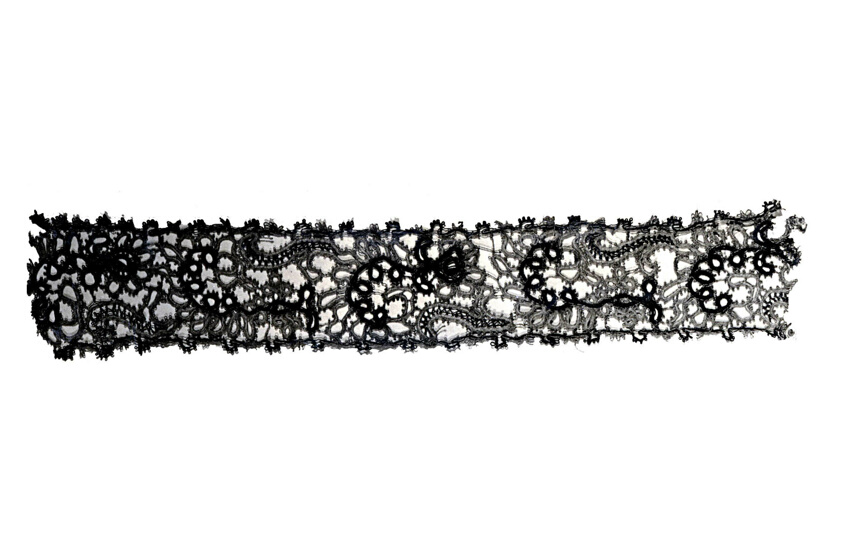
The Braid: A Study in Materiality and Craft, from Silk Cord to Bobbin Lace
In the lexicon of classic menswear and womenswear, the braid occupies a singular position. It is neither a primary fabric nor a mere trimming; it is a structural and decorative element that speaks to the highest traditions of craftsmanship. Within the Lauren Fashion Heritage Lab, we examine the braid not as an afterthought, but as a foundational artifact of textile artistry. This paper focuses on a specific iteration of the braid, crafted from silk and silk-wrapped linen cords, executed in bobbin straight lace. This combination of materiality and technique represents a pinnacle of fluid elegance, deeply rooted in the heritage of classic silk craftsmanship.
Materiality: The Silk and Silk-Wrapped Linen Cord
The choice of materials in any heritage artifact is never arbitrary. Here, silk and linen form a dialogue of strength and suppleness. Silk, with its natural protein-based luster, offers an unparalleled depth of color and a tactile smoothness that catches light with a liquid quality. It is the material of luxury, historically associated with the courts of Europe and the finest ateliers of Paris and London. In this braid, the silk is not merely a surface; it is the soul of the piece, providing a visual and sensory richness that synthetic fibers cannot replicate.
The silk-wrapped linen cord introduces a critical structural counterpoint. Linen, derived from the flax plant, is renowned for its tensile strength and resistance to stretching. By wrapping a fine silk thread around a linen core, the artisan achieves a hybrid material: the core provides dimensional stability and a crisp, defined edge, while the silk wrap ensures a uniform, luminous surface. This technique, known as “silk over linen,” is a hallmark of classic Savile Row and haute couture finishing. It prevents the braid from becoming limp or fraying over time, ensuring that the artifact retains its architectural integrity even after years of wear. The cord itself is not a single strand but a carefully twisted composite, each twist calibrated to create a consistent diameter and a subtle, repeating rhythm.
Technique: Bobbin Straight Lace
The execution of this braid is rooted in the ancient art of bobbin lace, a technique that predates the Industrial Revolution and remains a testament to human dexterity. Unlike machine-made lace, which often relies on mechanical repetition, bobbin lace is a manual process of braiding, twisting, and crossing threads wound on individual bobbins. The term “straight lace” refers to the geometric, non-curving nature of the pattern—a series of parallel or diagonal lines that create a structured, linear aesthetic. This is distinct from “point lace,” which involves more intricate curves and floral motifs.
In this artifact, the bobbin straight lace technique is applied to the silk and silk-wrapped linen cords. The artisan works on a lace pillow, pinning the cords at precise intervals to maintain tension and alignment. The bobbins, each holding a single cord, are manipulated in a sequence of over-and-under movements. The result is a braid that is not woven but *constructed*—each intersection of cords is a deliberate act of joining, creating a fabric that is both open and dense. The straight lace pattern yields a braid with a clean, architectural edge, reminiscent of the sharp lines of a tailored lapel or the precise geometry of a military uniform. Yet, because the cords are silk, the overall effect is one of fluidity; the braid bends and drapes with a soft, almost liquid grace, contradicting the rigidity of its construction.
Classic Silk Craftsmanship and Fluid Elegance
The pairing of silk materiality with bobbin lace technique embodies the philosophy of classic silk craftsmanship: the pursuit of perfection through patience and precision. This is not a braid produced in minutes by a machine; it is a slow, meditative creation, often requiring hours of labor for a single meter. The fluid elegance arises from this tension. The silk cords, though individually strong, are arranged in a pattern that allows for movement. When the braid is applied to a garment—perhaps as a trim on a silk evening gown, a closure on a tailored jacket, or an accent on a handbag—it does not sit stiffly. Instead, it follows the contours of the body, catching light and shadow as it moves.
This braid also carries a narrative of heritage. In the context of London’s Savile Row, such trimmings were once the signature of bespoke houses like Huntsman or Anderson & Sheppard, where every detail, from the buttonholes to the lining, was executed by hand. The use of silk-wrapped linen cords ensured that the braid would outlast the garment itself, a quiet testament to the value of investment dressing. In the Lauren Fashion Heritage Lab, we recognize this braid as a microcosm of a larger philosophy: that true luxury is not about excess, but about the invisible labor and material intelligence that elevates a simple object into an artifact.
Conclusion
The braid, rendered in silk and silk-wrapped linen cords through bobbin straight lace, is more than a decorative element. It is a study in materiality, a demonstration of technique, and a vessel for fluid elegance. Its construction speaks to a time when craftsmanship was measured in hours, not units, and when the choice of a single thread could define the character of a garment. As we preserve and study such artifacts, we honor the hands that made them and the traditions that sustain them. In a world of rapid production, this braid remains a quiet, enduring symbol of what it means to create with intention.
Heritage Lab Insight
Lab Insight: AIC Silk Archive Node #2303.