← BACK TO ARCHIVES
Silk
Heritage Synthesis: Panel
Curated on May 19, 2026 // Node: LDN-01
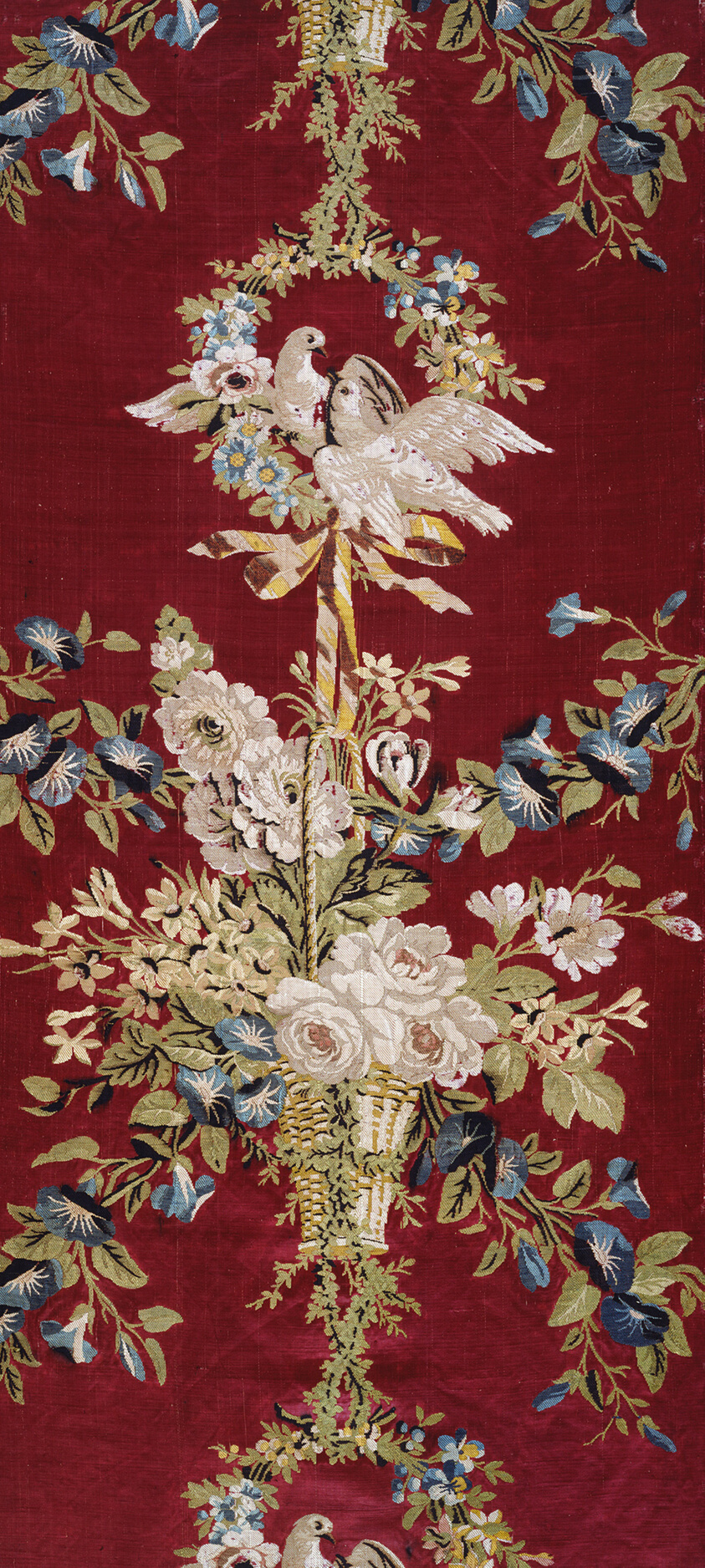
Category: Silk
The Panel: A Study in Materiality and the Unspoken Language of Luxury
In the rarefied atmosphere of London’s Savile Row, where the whisper of a needle against cloth is a form of conversation, we encounter objects that transcend mere garment. They are artifacts of a philosophy. The subject of this heritage research artifact—a panel of silk and linen, executed in a satin weave with brocading wefts, and further enhanced by hand-painted detail—is not a finished coat, nor a waistcoat, nor a cravat. It is a fragment of potential, a testament to the foundational principles of classic silk craftsmanship and the fluid elegance that defines the highest echelons of bespoke tailoring.
The Foundation: Silk and Linen as a Dialogue of Opposites
To understand this panel, one must first appreciate the deliberate tension within its materiality. Silk, the sovereign of fibers, offers a lustrous, almost liquid surface. Its protein structure allows for a depth of color and a refractive quality that synthetics can only mimic. In the satin weave, the warp threads are floated over multiple wefts, creating a smooth, unbroken face that catches the light with a mercurial brilliance. This is the language of opulence, of evening wear, of the grand gesture.
Yet, the inclusion of linen introduces a counterpoint of restraint. Linen, derived from the flax plant, is a bast fiber of remarkable strength and a matte, almost tactile dryness. It breathes, it wrinkles with a certain honesty, and it grounds the silk’s exuberance. The combination is not accidental. In Savile Row, we do not seek the gaudy; we seek the nuanced. The linen weft, though often hidden within the structure of the satin weave, provides a structural integrity that pure silk might lack. It prevents the panel from becoming too limp, too yielding. It introduces a subtle, textural friction beneath the finger—a reminder that true elegance is not effortless, but the result of a carefully balanced tension between the ethereal and the grounded.
The Weave: Satin and Brocading as a Narrative of Control
The satin weave itself is a masterclass in controlled excess. Unlike a plain weave, where warp and weft interlace regularly, satin’s long floats create a surface of uninterrupted sheen. This is a weave that demands precision. A single misstep in tension can cause a float to snag, a thread to break. The craftsman who set this warp must have possessed an almost surgical patience. The result is a ground that feels like still water—a perfect, unblemished canvas.
Upon this canvas, the brocading wefts introduce a narrative of deliberate interruption. Brocading is not a print; it is an insertion of supplementary weft threads that are woven into the fabric only where the pattern requires. These wefts do not run from selvage to selvage; they are laid in, often by hand, to create raised, textured motifs. In this panel, the brocading wefts likely form a pattern of organic or geometric origin—perhaps a stylized flora, a heraldic echo, or an abstracted architectural line. The effect is one of bas-relief, of light catching not just the satin ground but also the raised, matte or contrasting sheen of the brocaded element. This is not a print that sits on the surface; it is a structural part of the cloth’s very being.
The Hand-Painted Detail: The Final Signature
The most audacious element of this panel is the painted surface. To paint upon silk and linen, particularly a satin weave, is to court disaster. The slippery nature of the satin resists the absorption of pigment; the linen’s absorbency can cause bleeding. The artisan who undertook this task must have possessed a deep understanding of both the substrate and the medium—likely a combination of dye, pigment, and a fixative that respects the fiber’s integrity.
The painting is not a separate layer; it is a dialogue with the weave. The brushstrokes follow the direction of the warp or the weft, or they deliberately cross them, creating a tension between the woven structure and the painted mark. The color palette, one imagines, would be restrained—perhaps a deep indigo against a cream ground, or a muted vermillion on a charcoal satin. The painted element might be a subtle wash, a delicate line, or a more defined floral motif that echoes the brocaded pattern. This is the moment where the panel ceases to be merely a textile and becomes a work of art. It is the signature of the maker, the final, irreversible act of creation.
Context: Classic Silk Craftsmanship and Fluid Elegance
This panel exists within a lineage that stretches from the workshops of 18th-century Lyon to the ateliers of contemporary London. Classic silk craftsmanship is not about novelty; it is about the perfection of technique. The satin weave, the brocading weft, the hand-painted detail—these are not innovations in the sense of being new. They are innovations in the sense of being executed with a level of mastery that is increasingly rare.
Fluid elegance is the desired outcome. This panel, were it to be cut and sewn, would not be stiff or structured. It would drape. It would move with the body, not against it. The combination of silk and linen, the satin weave, and the painted finish all contribute to a fabric that has a life of its own. It is not a shell; it is a second skin. In Savile Row, we do not build armor; we build garments that enhance the natural grace of the human form. This panel, in its materiality and its execution, is a promise of that grace.
Conclusion: The Artifact as a Testament
This panel is more than a piece of cloth. It is a research artifact that speaks to the core values of the Lauren Fashion Heritage Lab: the primacy of material, the discipline of technique, and the pursuit of a beauty that is both timeless and deeply personal. It reminds us that luxury is not about abundance, but about intention. Every thread, every float, every brushstroke was chosen. Nothing is accidental.
For the scholar, the designer, or the connoisseur, this panel offers a lesson in restraint and audacity. It demonstrates that the most profound elegance is often found in the quietest of details—in the way a satin weave catches the light, in the subtle relief of a brocaded motif, in the confident stroke of a hand-painted line. It is, in the truest sense, a fragment of Savile Row’s soul.
Heritage Lab Insight
Lab Insight: AIC Silk Archive Node #100741.