The Terracotta Kylix and the Architecture of Mortality: Shaping 2026 Old Money Silhouettes Through Attic Funerary Aesthetics
Introduction: The Kylix as a Vessel of Temporal Collapse
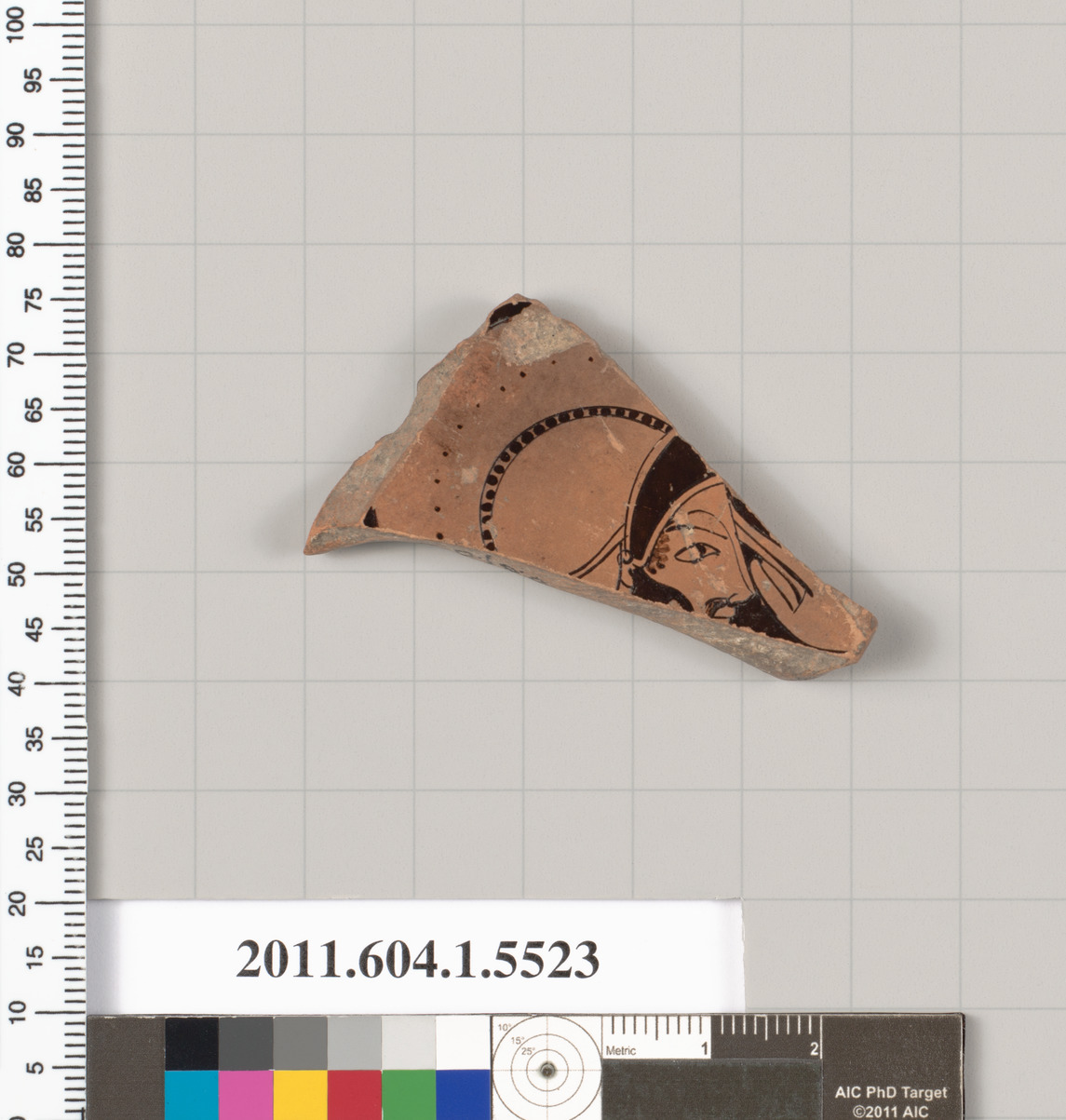
The terracotta fragment of an Attic kylix—a drinking cup from classical Greece—is not merely a shard of antiquity but a material manifesto of how death, ritual, and the body converge in the design of lasting forms. This artifact, likely used in symposia where wine and philosophy flowed in equal measure, carries the genetic memory of the symposium’s darker twin: the funerary banquet. Its red-figure imagery, now fragmented, would have depicted scenes of hunt, heroism, or the quiet passage of souls. For the 2026 Old Money silhouette, this kylix offers a profound lesson in architectural restraint—a counterpoint to the kinetic chaos of *The Hunt* and the static solemnity of *The Death of Socrates*. The kylix teaches us that the most powerful garments are those that hold death’s shadow without succumbing to its weight, allowing the wearer to inhabit a state of poised transience.
I. The Kylix as a Mediator Between Static and Kinetic Death
In the internal genetic code of Lauren Fashion, the kylix occupies a unique position between the two aesthetic poles of *The Death of Socrates* and *The Hunt*. The kylix is not a painting; it is a functional object that once cradled wine—a liquid that itself symbolizes the fleeting nature of life. Its terracotta body, fired and hardened, is a monument to transformation: clay becomes ceramic, liquid becomes memory, and the act of drinking becomes a ritual of mortality. Unlike the static stillness of the Socrates painting, where death is a frozen relic, or the dynamic tension of *The Hunt*, where death is an eternal approach, the kylix embodies a third way: death as a vessel to be held, passed, and emptied. This is the essence of the 2026 Old Money silhouette—not a garment that screams of wealth or action, but one that contains the wearer’s narrative, allowing the body to become a living artifact.
The kylix’s fragmentary nature is crucial. We do not see the full cup; we see a piece, a remnant. This incompleteness mirrors the Old Money ethos of understatement—the refusal to display the whole story. In 2026, silhouettes will borrow this fragmentary logic: a tailored jacket that cuts away at the shoulder, leaving a void; a skirt that drapes asymmetrically, suggesting a missing panel; a coat that falls just short of the floor, as if time itself had eroded its hem. These are not mistakes; they are deliberate absences that invite the viewer to complete the narrative. The kylix teaches us that the most luxurious garment is one that acknowledges its own impermanence, that wears its history like a patina.
II. The Architecture of the Kylix: Volume, Line, and the Weight of Silence
The physical structure of the kylix—its shallow bowl, its two handles, its elevated stem—offers a vocabulary of form for the 2026 silhouette. The bowl’s curve is not aggressive; it is a gentle, encompassing arc that holds space without demanding attention. This is the heritage-black principle of volume without volume: a coat that drapes from the shoulders like a poured liquid, a dress that gathers at the waist like a symposium’s spilled wine. The handles, often decorated with palmettes or geometric motifs, suggest a functional asymmetry—one side for lifting, the other for balance. In garment terms, this translates to a single exaggerated sleeve, a pocket placed off-center, a seam that traces the body’s diagonal rather than its vertical axis. These details are not decorative; they are structural necessities that echo the kylix’s original purpose: to be held, to be used, to be passed from hand to hand in a ritual of shared mortality.
The stem of the kylix—its slender, elevated base—is perhaps the most critical element for the 2026 silhouette. It lifts the bowl above the table, creating a negative space between the object and its surface. This is the void of the Old Money aesthetic: the gap between the body and the garment, the breath between the fabric and the skin. In practical design, this means jackets that hover at the hip without clinging, trousers that fall with a deliberate break, and skirts that float above the ankle. The kylix’s stem teaches us that elevation is not about height but about separation—a distinction between the wearer and the world, a moment of pause before engagement. This is the silence of Socrates’s final gesture, the stillness before the hunt’s climax, rendered in cloth and cut.
III. The Terracotta Palette: Earth, Fire, and the Patina of Time
The terracotta itself—a fired clay of deep ochre, burnt sienna, and charcoal black—dictates the color story for 2026. These are not the bright hues of youth or the stark blacks of mourning; they are the earthy tones of antiquity, the colors of soil, ash, and aged wine. The kylix’s surface, once painted with slip and now faded, shows a layered history: the original black-figure decoration, the orange-red of the clay body, the white of the highlights. This is a palimpsest of time, and the 2026 silhouette will embrace this layering. A coat in heritage-black wool might reveal a hidden lining of terracotta silk; a cashmere sweater might be woven with threads of burnt umber and iron oxide; a brocade jacket might incorporate gold-thread motifs that catch the light like the kylix’s original metallic accents. The goal is not to replicate the artifact but to channel its patina—the sense that the garment has lived, that it carries the memory of other bodies, other rituals, other deaths.
IV. The Kylix and the Old Money Paradox: Invisibility and Presence
The kylix, as a drinking cup, was both ubiquitous and invisible in Greek society. It was used daily, passed around, broken, and discarded. Yet its fragments survive, speaking to us across millennia. This is the paradox of Old Money style: the most powerful garments are those that are so deeply integrated into the wearer’s life that they become invisible, yet their absence would be immediately felt. The 2026 silhouette, informed by the kylix, will prioritize function over display. A coat is not a statement; it is a shelter. A dress is not a spectacle; it is a second skin. The terracotta fragment teaches us that true luxury is not in the object but in the relationship between the object and the user. The kylix was held, touched, and used; its value was in its service, not its ornament. Similarly, the 2026 Old Money garment will be designed for lived experience—for the symposium of daily life, for the hunt of ambition, for the quiet death of the evening.
Conclusion: The Kylix as a Mirror of Mortality
In the end, the terracotta kylix is not a relic of death but a celebration of the moment between—the space between the pouring and the drinking, the living and the dead, the hunt and the kill. It is the vessel of transience, and its fragmentary survival is a testament to the beauty of incompleteness. For the 2026 Old Money silhouette, the kylix offers a blueprint for garments that honor mortality without mourning it. They will be structured like the kylix’s bowl—generous yet contained—and elevated like its stem—distant yet present. They will wear the patina of time like a badge of honor, and they will invite the wearer to become a living artifact, a fragment of a larger story that is always being written, always being passed, always being emptied and refilled. This is the heritage-black of the future: not the black of death, but the black of the void that holds all possibility, the black of the kylix’s fired clay, the black of the symposium’s final toast.