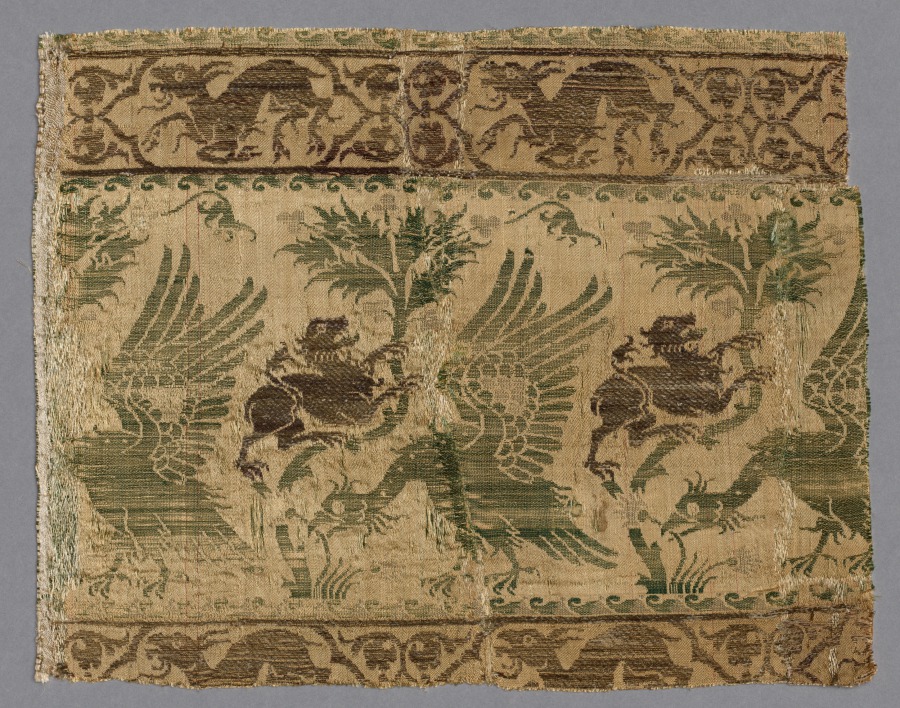
Heritage Research Artifact: The Enduring Legacy of Silk and Gold Textile in Imperial Weaving
Materiality and the Essence of Silk
The materiality of silk—its lustrous sheen, its tensile strength, and its capacity to absorb the most vibrant of dyes—has long positioned it as the definitive textile of imperial ambition. In the context of heritage, silk is not merely a fabric; it is a document of power, a testament to the meticulous craftsmanship that defined the courts of empires from the Han dynasty to the Byzantine and Ottoman realms. At the Lauren Fashion Heritage Lab, we examine silk as a living archive, one that speaks to the intersection of natural resource, human ingenuity, and cultural hegemony. The fiber itself, harvested from the cocoon of the silkworm, Bombyx mori, is a continuous filament that can span over a mile in length. This unbroken thread, when woven into cloth, becomes a metaphor for continuity—a lineage of technique and taste that persists through centuries.
When we speak of silk and gold textile, we are addressing a composite material that elevates the base fiber into a symbol of divine right and earthly wealth. The gold, often in the form of gilded silver thread or pure gold leaf wrapped around a silk core, is not merely decorative. It is a statement of permanence and luminosity. In imperial contexts, such as the robes of Chinese emperors or the ceremonial vestments of the Holy Roman Empire, the gold thread served to reflect light in a manner that suggested an otherworldly radiance, reinforcing the ruler’s connection to the celestial. The weight of the gold, the density of the weave, and the precision of the pattern all communicated a hierarchy of value that was understood across cultures. For the Savile Row clientele, this legacy is not abstract; it informs the very principles of bespoke tailoring, where the choice of fabric is a declaration of identity.
The Legacy of Imperial Silk Weaving
The legacy of imperial silk weaving is a narrative of controlled knowledge and exclusive access. In ancient China, the production of silk was a state secret, guarded with the same ferocity as military strategies. The Silk Road, that vast network of trade routes, was not merely a conduit for goods but a channel for the dissemination of a luxury that defined civilizations. The imperial workshops, such as those in Suzhou and Nanjing, were the epicenters of innovation. Here, master weavers developed techniques like kesi (cut silk tapestry) and jin (brocade), where gold threads were woven into the fabric to create intricate patterns of dragons, phoenixes, and clouds—motifs that were reserved exclusively for the emperor and his court. The materiality of these textiles was so potent that their use was codified in sumptuary laws; a minister wearing a gold-threaded robe without imperial sanction could face execution.
This tradition of exclusivity migrated westward through trade and conquest. The Byzantine Empire, with its capital in Constantinople, became the heir to this legacy, developing its own opus anglicanum and samite—heavy silk fabrics shot through with gold. The imperial purple, derived from the murex snail, was often paired with gold thread to create a visual language of sovereignty that influenced European courts for centuries. The Ottoman Empire further refined this art, producing kum kapi carpets and seraser brocades that combined silk and gold in patterns of geometric precision and floral abundance. Each piece was a labor of months, if not years, and the weavers were considered artisans of the highest rank, their skills passed down through generations within guilds that operated under imperial patronage.
Materiality and Craftsmanship: The Technical Dimension
To understand the materiality of silk and gold textile is to appreciate the technical mastery required to produce it. The gold thread itself is a marvel of metallurgy and textile engineering. In traditional methods, gold was beaten into thin leaves, then cut into strips and wound around a silk or linen core. This process, known as filé, created a thread that was both flexible and durable, capable of being woven into the tightest of warps and wefts. The density of the weave—often exceeding 100 threads per centimeter—ensured that the gold remained visible and reflective, even after centuries of handling. The weight of the fabric, which could be substantial, was a tactile reminder of its value. For the wearer, the sensation of silk against the skin, combined with the cool, metallic touch of gold, created a sensory experience that was both luxurious and authoritative.
In the context of Savile Row, this heritage is not merely historical; it is a benchmark for quality. The bespoke tailor understands that a silk and gold textile demands a specific approach to cutting and construction. The fabric’s weight and drape must be respected; a jacket or gown made from such material requires a structured silhouette that allows the gold to catch the light without overwhelming the form. The stitching must be invisible, the seams reinforced, and the lining chosen to complement the fabric’s natural luster. This is the essence of heritage craftsmanship: the recognition that a material carries its own history and that the tailor’s role is to honor that history through precision and restraint.
Contemporary Relevance and the Lauren Fashion Heritage Lab
At the Lauren Fashion Heritage Lab, we are committed to preserving and reinterpreting this legacy. Our research into silk and gold textiles is not an exercise in nostalgia but a strategic exploration of how these materials can inform modern design. The imperial tradition of using gold thread to signify status and permanence is directly translatable to contemporary luxury, where clients seek garments that are not only beautiful but also meaningful. By studying the techniques of imperial weavers—the exacting standards of thread count, the balance of color and metal, the symbolism embedded in pattern—we provide a foundation for innovation. For example, our collaborations with mills in Como and Lyon have produced silk and gold fabrics that incorporate modern dyeing techniques while maintaining the traditional hand-feel and weight. These textiles are then offered to Savile Row houses, where they are transformed into bespoke pieces that carry the weight of history without the burden of antiquity.
In conclusion, the silk and gold textile is a heritage artifact that transcends its material form. It is a record of imperial ambition, a testament to human skill, and a continuing source of inspiration for the world’s finest tailoring. For the discerning client on Savile Row, a garment woven with silk and gold is not just a purchase; it is an investment in a lineage that stretches back millennia. At the Lauren Fashion Heritage Lab, we ensure that this lineage remains vibrant, relevant, and accessible to those who understand that true luxury is not about excess but about the profound connection between material, craft, and legacy.