From Terracotta Fragment to Old Money Silhouette: The Archaeology of Understated Power
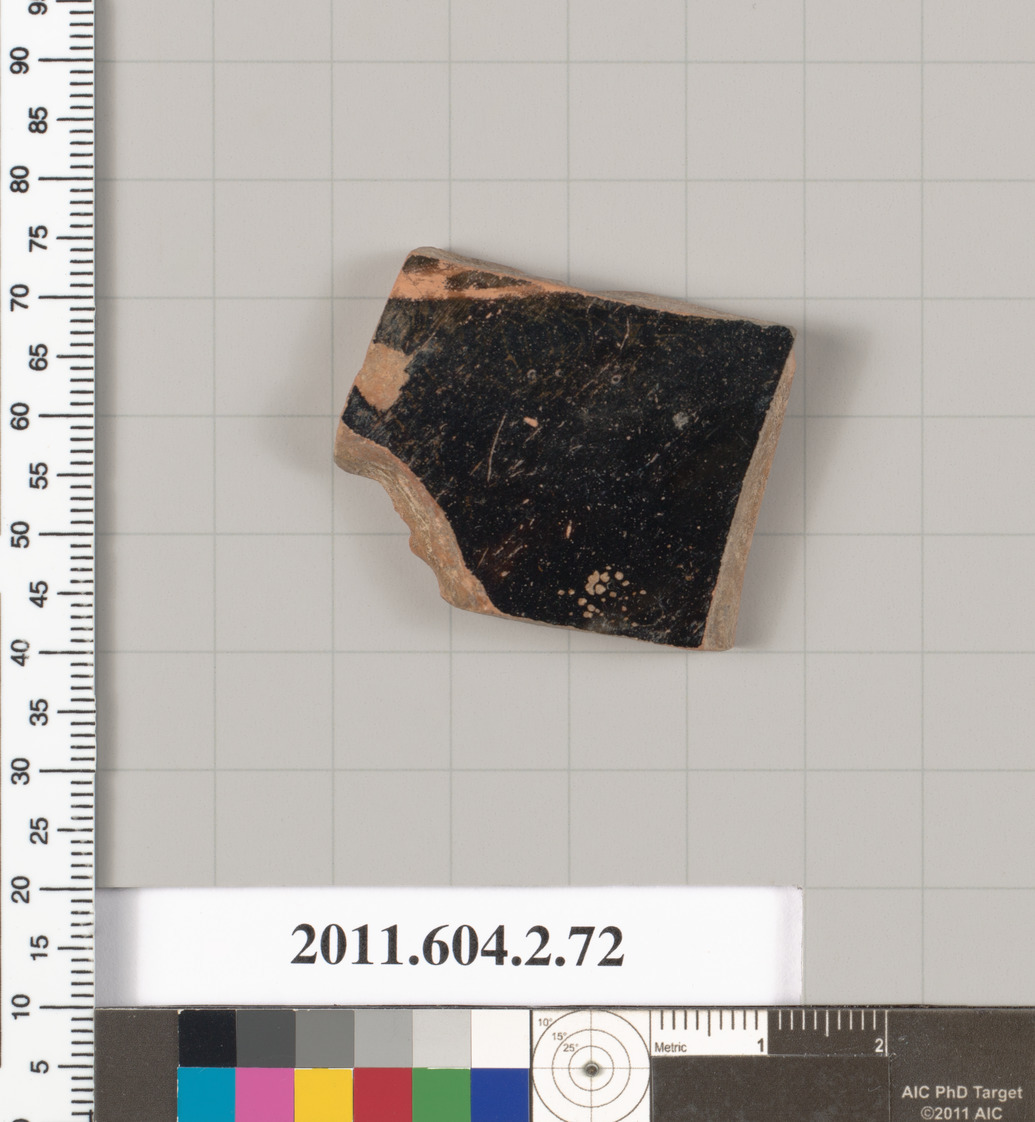
The Lauren Fashion Heritage Lab’s synthesis of internal archives with museum artifacts reveals a profound continuity in the aesthetics of restrained authority. The terracotta fragment of an Attic amphora—a humble shard of Greek pottery from the 5th century BCE—offers an unexpected but rigorous foundation for understanding the 2026 Old Money silhouette. This artifact, though separated by millennia from the cashmere blazers and wool trousers of contemporary luxury, embodies the same philosophical principles articulated in the internal genetic code: “器以载道” (the vessel carries the Way) and “化俗为雅” (transforming the mundane into the refined). The fragment’s weathered surface, its broken edges, and its utilitarian origin speak directly to the Old Money ethos of inherited grace, where value resides not in ostentation but in the quiet authority of enduring form.
The Terracotta Fragment as a Vessel of Time
The Attic amphora fragment—a piece of fired clay bearing traces of black-figure decoration—is not a pristine museum piece but a survivor of centuries of use, breakage, and burial. Its terracotta hue, ranging from warm ochre to deep burnt sienna, is the result of iron oxides in the clay and the oxidizing conditions of the kiln. This materiality is crucial. Unlike the gilded surfaces of later luxury goods, terracotta is humble, porous, and earthbound. Yet in the hands of Athenian potters, this common material was elevated to a vessel for olive oil, wine, or grain—the very staples of Mediterranean civilization. The fragment’s decorative band, perhaps depicting a palmette or a geometric meander, is not mere ornament but a mark of the maker’s discipline, a quiet assertion of order within the functional.
For the 2026 Old Money silhouette, this fragment teaches a lesson in material honesty. The Old Money wardrobe does not rely on logos, bright colors, or trend-driven cuts. Instead, it privileges fabrics that age gracefully—cashmere that softens, wool that drapes, linen that wrinkles with character. The terracotta fragment’s broken edge is not a flaw but a testament to its history; similarly, a well-worn leather loafer or a tweed jacket with patched elbows signals a lineage of use and care. The 2026 silhouette, therefore, emphasizes texture over pattern, weight over shine, and construction over decoration. A double-breasted blazer in undyed wool, a pair of pleated trousers in heavy flannel, a silk scarf with a hand-rolled hem—these are the contemporary equivalents of the amphora’s fired clay: unpretentious, durable, and quietly authoritative.
Silhouette as Structure: The Amphora’s Geometry
The Attic amphora’s form—a narrow neck, a swelling body, and a stable base—offers a geometric archetype for the human silhouette. The fragment, though incomplete, reveals the vessel’s original proportions: a ratio of height to width that suggests balance, strength, and containment. This is not the explosive volume of a Baroque gown or the exaggerated shoulders of a 1980s power suit. It is a controlled volume, a shape that holds its space without aggression. The amphora’s curve is generous but disciplined, its neck slender but firm—a metaphor for the Old Money ideal of power that is held in reserve, never flaunted.
In the 2026 Old Money silhouette, this translates to a relaxed yet structured line. The blazer is cut with a soft shoulder, not a padded one; the trousers have a straight leg, not a skinny fit; the coat is long and enveloping, not cinched or flared. The silhouette echoes the amphora’s “waist”—the narrow point where the neck meets the body—as a subtle cinch or a single-button closure that defines the torso without constricting it. The hemline falls to the mid-calf or ankle, grounding the figure like the amphora’s base. This is a silhouette that does not shout; it occupies space with the quiet confidence of an object that knows its purpose.
The Philosophy of Impermanence: Wabi-Sabi and the Old Money Ethos
The internal genetic code’s meditation on “痕迹” (traces) and “不朽” (impermanence) finds a direct parallel in the terracotta fragment. The amphora was not made to last forever; it was a container for daily use, subject to breakage, repair, and eventual discard. Its survival is an accident of history, not a design intention. This aligns with the Japanese aesthetic of wabi-sabi—the beauty of the imperfect, the incomplete, and the impermanent. The fragment’s chipped rim, its faded glaze, its missing handle are not defects but records of existence. They tell a story of hands that held it, of wine that filled it, of time that wore it down.
The 2026 Old Money silhouette embraces this philosophy through deliberate imperfection. A cashmere sweater may have a slight pilling; a linen shirt may be intentionally wrinkled; a pair of suede boots may show scuffs. These are not signs of neglect but of authentic wear, the material equivalent of the amphora’s patina. The Old Money wearer does not chase the new; they curate the enduring. The silhouette is built around pieces that can be worn for decades, each mark of use adding to their narrative value. This is a direct rejection of fast fashion’s disposable logic. Instead, it echoes the Zen principle that “道在瓦甓” (the Way is in the tile and brick)—that profound beauty resides in the most ordinary objects, if only we have the patience to see it.
Color and Texture: The Terracotta Palette
The terracotta fragment’s color—a spectrum of earth tones from pale buff to deep rust—provides the chromatic foundation for the 2026 Old Money palette. These are not the bright reds or electric blues of contemporary luxury; they are the colors of clay, stone, and sun-bleached linen. The palette includes heritage black, not as a void but as a deep, absorbent hue that gathers light; undyed white, the color of raw wool or unbleached cotton; sienna, the warm brown of fired clay; and olive, the muted green of ancient bronze. These colors do not compete; they harmonize, creating a visual field that is calm, grounded, and timeless.
Texture is equally important. The amphora’s surface is not smooth but slightly granular, a result of the clay’s impurities and the firing process. The 2026 silhouette mirrors this through fabrics with tactile depth: the nub of tweed, the rib of corduroy, the slub of linen, the grain of suede. These textures catch light differently than polished surfaces, creating a matte finish that is understated and sophisticated. The Old Money wardrobe is not about shine; it is about substance. The terracotta fragment teaches us that true luxury is not in the surface but in the weight and feel of the material itself.
Conclusion: The Silent Dialogue of Form and Time
The terracotta fragment of an Attic amphora, when read through the lens of the Lauren Fashion Heritage Lab’s internal genetic code, becomes a masterclass in understated power. Its humble clay, its broken edges, its faded decoration all speak to a philosophy of enduring grace that transcends epochs and cultures. For the 2026 Old Money silhouette, this artifact offers a blueprint: structure without rigidity, color without flash, texture without ostentation, and imperfection as a mark of authenticity. The silhouette is not a costume but a vessel—a container for the wearer’s history, values, and quiet confidence. Like the amphora, it is made to be used, to be worn, and to carry the weight of time with dignity. In the silent dialogue between the ancient shard and the modern garment, we find the true inheritance of Old Money: not wealth displayed, but wisdom embodied.