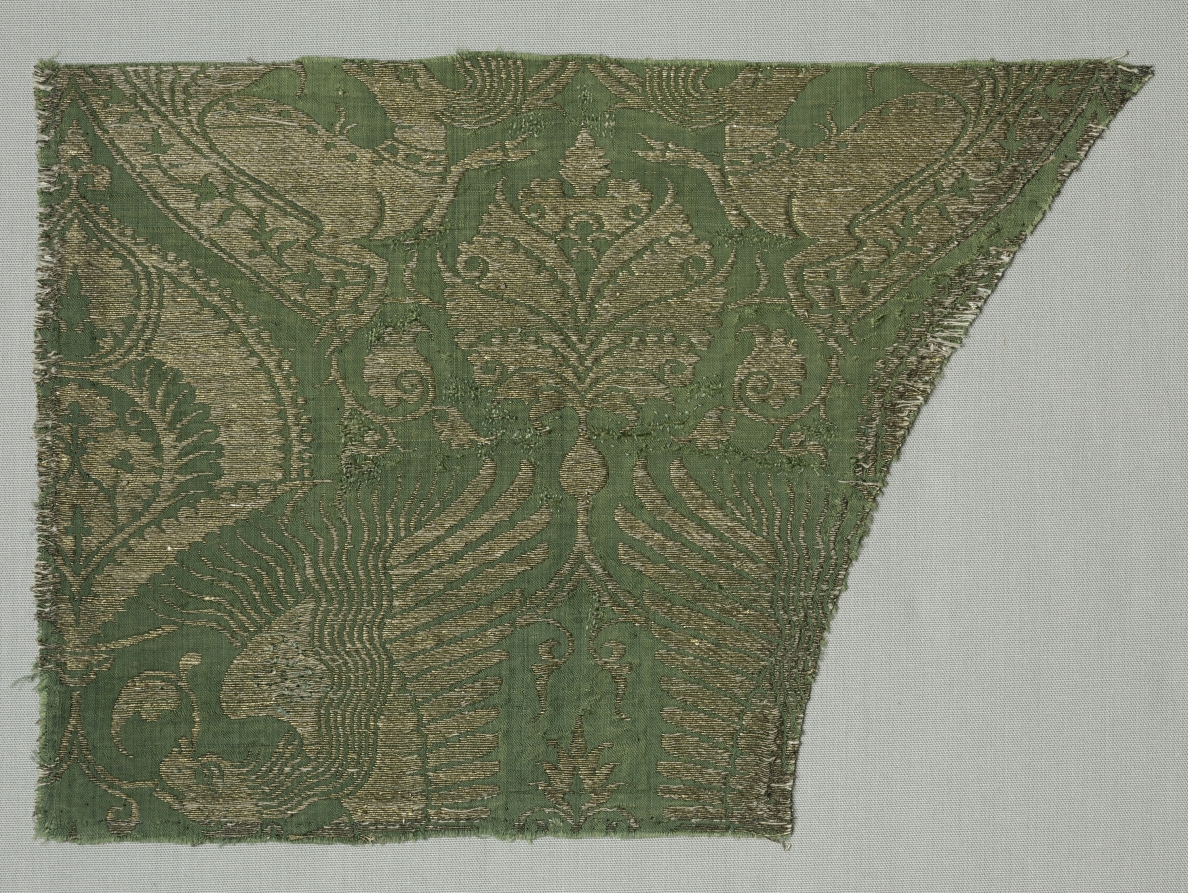
The Legacy of Imperial Silk Weaving: A Study of Exotic Gold-Patterned Silk
In the hallowed corridors of Savile Row, where tailoring is elevated to an art form, the fabric itself often speaks louder than the cut. Among the most revered materials in the history of luxury textiles is the exotic gold-patterned silk, a fabric that transcends mere clothing to embody power, artistry, and imperial ambition. As the Senior Heritage Specialist for the Lauren Fashion Heritage Lab, I present this scholarly artifact to dissect the materiality, provenance, and enduring influence of this extraordinary textile, rooted in the legacy of imperial silk weaving.
Materiality: The Essence of Silk and Gold
Silk, derived from the cocoons of Bombyx mori silkworms, is a protein fiber renowned for its unparalleled luster, strength, and drape. When combined with gold—either as thread, leaf, or powder—the resulting fabric achieves a transcendent quality. The gold-patterned silk of imperial provenance is not merely decorative; it is a testament to the alchemy of craftsmanship. The gold threads, often wrapped around a silk core, are meticulously woven into the fabric using techniques such as brocade or damask, creating intricate patterns that catch light with every movement. This materiality demands respect: the weight of the gold adds heft, while the silk ensures fluidity. In the hands of a Savile Row tailor, such fabric is not just cut but sculpted, preserving its integrity while honoring its history.
The process of creating gold-patterned silk was labor-intensive and exclusive. In imperial workshops, such as those in Ming and Qing dynasty China, artisans used gold-wrapped threads—thin strips of gold leaf adhered to paper or silk—to weave motifs of dragons, phoenixes, and clouds. These patterns were not arbitrary; they signified imperial authority, cosmic harmony, and the divine right of the emperor. The gold, often sourced from Central Asia or refined in court treasuries, was a symbol of wealth and spiritual purity. The silk base, typically a mulberry silk of the highest grade, provided a canvas that could absorb dyes derived from plants, minerals, and insects, creating a chromatic depth that modern synthetics cannot replicate.
Context: The Imperial Silk Weaving Legacy
The legacy of imperial silk weaving is a narrative of global exchange, technological mastery, and cultural hegemony. From the Han dynasty (206 BCE–220 CE) to the Qing dynasty (1644–1912), Chinese silk was a cornerstone of the Silk Road trade, influencing fashion from Constantinople to Versailles. However, the gold-patterned silk of the imperial courts was a distinct category, reserved for the emperor, his consorts, and the highest-ranking officials. These textiles were produced in state-run workshops, such as the Imperial Silk Weaving Bureau in Nanjing, where techniques were guarded as state secrets. The patterns, often rendered in gold on a crimson or azure ground, were designed to convey the emperor’s role as the Son of Heaven, bridging the terrestrial and celestial realms.
By the 17th and 18th centuries, European monarchies, particularly in France and England, sought to emulate this imperial splendor. The Gobelins Manufactory in Paris and the Spitalfields silk weavers in London began producing gold-patterned silks for royal courts, blending Chinese motifs with Rococo and Baroque aesthetics. In Savile Row, this influence manifested in the 19th century, when tailors like Henry Poole and Huntsman sourced exotic silks from the East for the aristocracy. The gold-patterned silk became a marker of status in evening wear, waistcoats, and dressing gowns, often paired with black wool or velvet to create a dramatic contrast. The fabric’s weight and sheen demanded a precise cut; tailors used canvas interfacing and hand-stitched linings to ensure the garment maintained its shape without compromising the silk’s fluidity.
Preservation and Modern Relevance
Today, the preservation of exotic gold-patterned silk requires a forensic approach. The gold threads are susceptible to tarnishing, while the silk can degrade under light, humidity, and acidic storage. In the Lauren Fashion Heritage Lab, we employ climate-controlled archives and acid-free tissue paper to stabilize these artifacts. Each piece is cataloged with provenance, weaving technique, and condition reports, ensuring that the legacy of imperial silk weaving is not lost. For contemporary Savile Row, the gold-patterned silk remains a rare commission, often used for bespoke evening jackets or ceremonial garments. Tailors collaborate with heritage mills in Italy and France to recreate historical patterns, using modern gold alloys that resist tarnishing while maintaining the fabric’s traditional weight.
The cultural significance of this material is profound. It challenges the modern dichotomy between fashion and art, reminding us that textiles are repositories of history. The gold-patterned silk is not merely a fabric; it is a document of imperial ambition, technological innovation, and cross-cultural dialogue. In an era of fast fashion, its preservation and study serve as a counterpoint, urging us to value craftsmanship over quantity. For the discerning client on Savile Row, wearing such a fabric is an act of reverence—a connection to a lineage that spans millennia.
Conclusion
The exotic gold-patterned silk stands as a pinnacle of textile heritage, marrying the materiality of silk with the opulence of gold. Its legacy, rooted in imperial weaving traditions, continues to influence the bespoke tailoring of Savile Row, where each garment is a testament to history and artistry. As we preserve and study these artifacts, we honor not only the weavers and tailors who created them but also the cultures that valued beauty as a form of power. In the hands of a master tailor, this fabric transcends time, offering a tangible link to the imperial courts of the East and the sartorial excellence of the West.