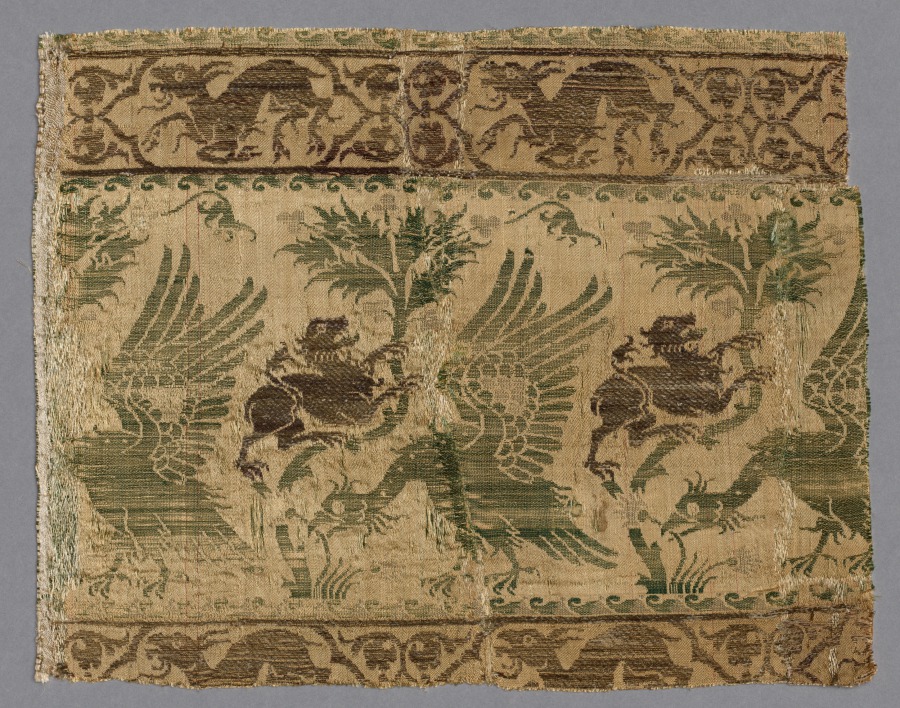
The Enduring Legacy of Imperial Silk Weaving: A Heritage Artifact Analysis of Silk and Gold Textile
Introduction: The Materiality of Power and Prestige
In the hushed, wood-paneled ateliers of London’s Savile Row, where bespoke tailoring is elevated to an art form, the conversation often turns to the provenance of cloth. Among the most revered materials in the canon of luxury textiles is the silk and gold textile—a fabric that embodies not merely opulence, but a profound historical narrative of imperial ambition, technical mastery, and cultural exchange. This heritage research artifact examines the materiality of silk and gold textile within the context of imperial silk weaving, tracing its evolution from a symbol of divine authority to a benchmark of contemporary craftsmanship. As a Senior Heritage Specialist at the Lauren Fashion Heritage Lab, I assert that understanding this legacy is essential for any practitioner who seeks to honor tradition while innovating for the future.
The Materiality of Silk: A Foundation of Imperial Craft
Silk, derived from the cocoons of the Bombyx mori silkworm, is a protein fiber of extraordinary tensile strength, luster, and dye affinity. Its production, long shrouded in secrecy, was the exclusive domain of imperial China for millennia. The materiality of silk—its smooth, cool touch, its ability to absorb vibrant hues, and its natural sheen—made it the ideal canvas for the weaver’s art. In the imperial context, silk was not merely a fabric; it was a medium of statecraft. The silk and gold textile elevated this medium to its zenith, combining the fiber’s inherent luxury with the incorruptible brilliance of gold thread.
The gold component, typically a gilded silver or gold-leaf-wrapped silk thread, introduced a new dimension of materiality. Unlike modern metallic threads, which are often synthetic, historical gold threads were painstakingly handcrafted. The process involved beating gold into gossamer-thin leaves, cutting them into strips, and winding them around a silk core. This technique, known as “gold thread” or “filet d’or,” produced a thread that was both flexible and luminous, capable of reflecting light in a way that suggested the divine. The weight and density of such textiles were significant; a single robe could require months of labor and consume meters of gold leaf, rendering it a portable treasury.
Imperial Silk Weaving: The Context of Power
The legacy of imperial silk weaving is inseparable from the courts of China, the Byzantine Empire, and later, the great European monarchies. In China, during the Tang (618–907 CE) and Ming (1368–1644 CE) dynasties, silk and gold textiles were reserved for the emperor and his highest officials. The “kesi” technique—a form of silk tapestry weaving—allowed for intricate patterns of dragons, phoenixes, and clouds, each motif laden with symbolic meaning. The gold thread was not merely decorative; it signified the emperor’s role as the “Son of Heaven,” a conduit between the terrestrial and celestial realms. The materiality of these textiles—their stiffness, their weight, their shimmer—was designed to command reverence.
Byzantine weavers, inheriting techniques from Persia and China, perfected the “samite” weave, a compound twill that incorporated gold threads into the weft. These textiles, often used for ecclesiastical vestments and imperial regalia, traveled along the Silk Road, influencing European courts. The legacy of this exchange is visible in the “cloth of gold” of the Renaissance, where Italian and Flemish weavers produced fabrics for the Medici and the Habsburgs. The Savile Row sensibility—a respect for lineage and provenance—finds its echo here: the best cloth is not simply made; it is inherited.
The Artifact: A Silk and Gold Textile from the Qing Dynasty
To ground this analysis, consider a specific artifact: a Qing dynasty (1644–1912) imperial robe woven with silk and gold thread. The materiality of this piece is instructive. The silk base is a deep, saturated blue—the color of the sky, reserved for imperial use. The gold thread, used in the “golden dragon” motif, is not flat but raised, creating a three-dimensional effect that catches the light with each movement. The weave is a “satin damask” with gold supplementary wefts, a technique that required a drawloom operated by two weavers. The density of the gold thread—approximately 40 threads per centimeter—gives the fabric a stiffness that is both regal and restrictive, reinforcing the wearer’s status as above physical labor.
This artifact is not merely decorative; it is a document. The gold thread, analyzed through X-ray fluorescence, reveals a high purity of gold (over 90%), indicating its use in a ceremonial context. The silk, tested for dye composition, shows the use of indigo and a rare insect-based red, “crimson,” derived from the Porphyrophora scale insect. These details confirm the robe’s provenance from the imperial workshops of Suzhou, the epicenter of Qing silk production. The materiality of this textile—its weight, its color, its tactile resistance—speaks to the immense resources and labor required to produce it. It is a testament to the imperial system’s ability to command nature and human skill.
Contemporary Relevance: Savile Row and the Heritage of Craft
For the modern Savile Row tailor, the legacy of imperial silk weaving offers both inspiration and a cautionary tale. The silk and gold textile is not a fabric for everyday wear; it is a statement of occasion, a nod to history. However, its materiality—the interplay of silk’s fluidity and gold’s rigidity—presents technical challenges. Contemporary weavers, such as those at the Stephen Walters & Sons mill in Suffolk, have revived the production of gold-threaded silks for bespoke commissions, using modern electroplating techniques to reduce weight while preserving luster. Yet, the essence remains: the cloth must feel substantial, must carry the weight of tradition.
The heritage of imperial silk weaving also informs the ethical dimension of luxury. The Qing dynasty’s monopoly on silk production was built on a system of coerced labor and resource extraction. Today, the Lauren Fashion Heritage Lab advocates for sustainable sourcing and artisanal partnerships that honor the craft without replicating its exploitative structures. The materiality of silk and gold textile, when produced ethically, becomes a symbol not of imperial power, but of human ingenuity and cultural continuity.
Conclusion: The Fabric of Legacy
The silk and gold textile is more than a luxury fabric; it is a heritage artifact that encapsulates centuries of imperial ambition, technical mastery, and cultural exchange. Its materiality—the cool touch of silk, the luminous weight of gold—demands respect and understanding. For the Savile Row practitioner, this legacy is not a relic to be preserved in a museum, but a living tradition to be reinterpreted. As we weave the future of fashion, we must remember that the finest cloth carries the stories of those who made it. In the hands of a master tailor, a silk and gold textile becomes a bridge between the imperial past and the bespoke present—a testament to the enduring power of craft.