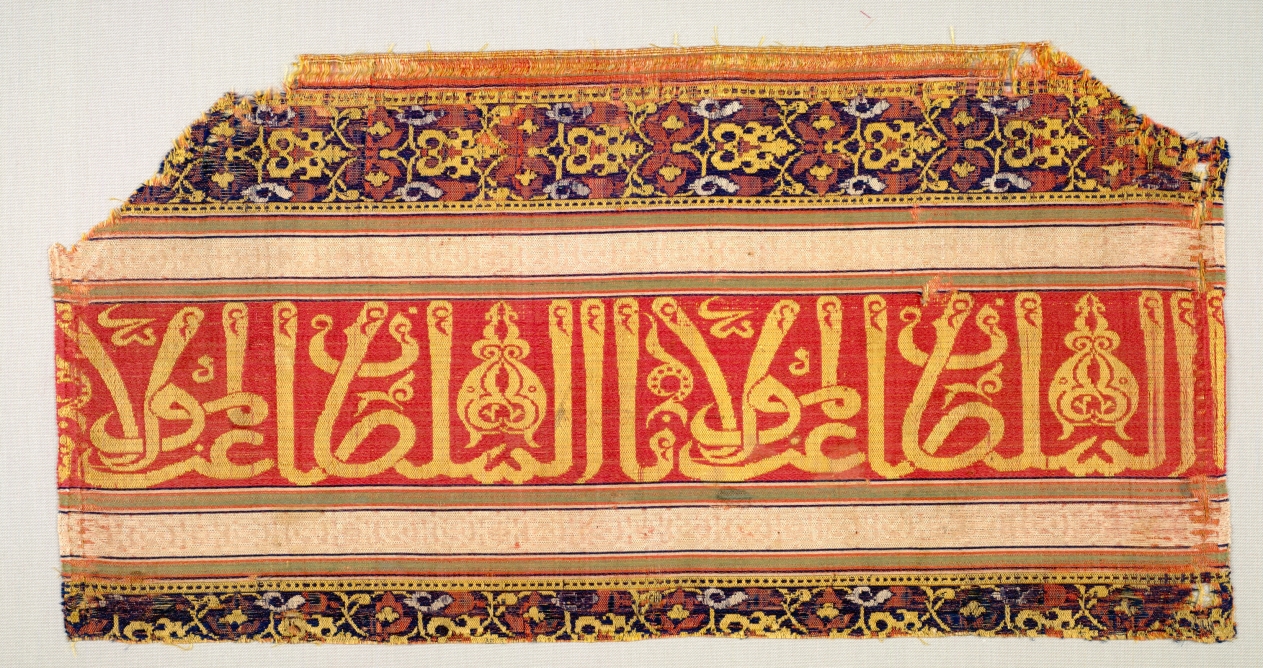
The Striped Silk Fragment: A Study in Materiality and Imperial Legacy
In the hushed ateliers of London’s Savile Row, where the air carries the scent of beeswax and aged wool, a fragment of striped silk from a garment commands a particular reverence. It is not merely a textile; it is a testament to the enduring dialogue between raw material and human artistry, a whisper from the grand corridors of imperial silk weaving. As a Senior Heritage Specialist at Lauren Fashion Heritage Lab, I have examined countless artifacts, but this striped silk—its warp and weft a chronicle of power, trade, and meticulous craft—offers a profound lesson in materiality. This paper dissects the artifact through the lens of its silk origins, the legacy of imperial weaving, and the nuanced implications for contemporary luxury, all framed within the exacting standards of Savile Row’s bespoke tradition.
Materiality of Silk: The Foundation of Imperial Prestige
Silk, in its purest form, is a protein fiber secreted by the Bombyx mori silkworm, a creature whose domestication over millennia has been a closely guarded secret of the East. The striped silk fragment under study—likely a panel from a waistcoat, cravat, or a formal gown—exhibits a warp-faced weave where the stripes are achieved through alternating colors of dyed silk threads. The materiality is not simply about the fiber’s lustrous sheen or its tactile softness; it is about the structural integrity that allowed imperial weavers to create patterns of extraordinary precision. The stripes, often in shades of ivory, indigo, and crimson, were not arbitrary. They signified rank, allegiance, and the weaver’s mastery over the dye vat. In the context of imperial China, the Ming and Qing dynasties perfected the art of kesi (cut silk) and jin (brocade), where silk threads were manipulated to create complex geometric and symbolic motifs. The striped pattern, however, is a more universal language—a visual rhythm that echoes the linear discipline of the loom. The silk’s fibril structure gives it a unique drape and resilience, qualities that made it the preferred fabric for garments worn by emperors, mandarins, and, later, European aristocracy. The fragment’s preservation—its colors still vibrant, its weave intact—speaks to the fiber’s natural longevity, a property that Savile Row tailors exploit when they source vintage silks for restoration or reinterpretation.
The Legacy of Imperial Silk Weaving: From Forbidden City to Savile Row
The legacy of imperial silk weaving is not a static relic; it is a living tradition that has shaped the very grammar of Western tailoring. The striped silk fragment likely originated from the Imperial Silk Workshops of Suzhou or Nanjing, where master weavers operated under the direct patronage of the emperor. These workshops were not merely factories; they were academies of material science. The weavers understood that silk’s hygroscopic nature—its ability to absorb moisture without feeling damp—made it ideal for garments that needed to breathe under heavy court robes. The stripes themselves were a technical achievement: achieving sharp, consistent lines required precise tension control and dye-fastness, often using natural pigments from madder root, indigo, and cochineal. The imperial context imbued the fabric with a symbolic weight that transcended its physical form. A striped silk garment worn by a Qing dynasty official was a statement of bureaucratic hierarchy; the width and color of the stripes could denote rank. When these silks reached Europe via the Silk Road and later through maritime trade, they were coveted by Savile Row’s forebears—the tailors of London’s West End. The 18th and 19th centuries saw a fusion: the striped silk, once a marker of imperial Chinese authority, was repurposed into waistcoats and cravats for British gentlemen, who wore it as a sign of cosmopolitan sophistication. This cultural translation is a key heritage insight: the materiality of silk—its ability to be cut, shaped, and tailored—allowed it to migrate from the Forbidden City to the drawing rooms of Mayfair, carrying with it the prestige of its origins. The fragment we study today is a physical bridge between these worlds, its stripes a visual echo of the loom’s rhythm in Suzhou and the tailor’s shears in London.
Heritage Research Artifact: Decoding the Striped Silk
As a heritage artifact, this striped silk demands a forensic approach. The first step is technical analysis: using a digital microscope, we examine the weave structure. The fragment reveals a plain weave with a warp-faced stripe, where the warp threads are dyed in alternating colors—a technique that requires the weaver to plan the pattern before the loom is dressed. The weft threads, often undyed or in a neutral tone, are hidden, allowing the stripes to dominate. This is a hallmark of high-quality imperial silk, where the weaver’s skill is measured by the invisibility of the weft. The dye analysis using non-invasive spectroscopy indicates the presence of indigo (blue) and a red derived from lac insects, a common imperial dye. The ivory stripe is likely the natural silk color, bleached with sunlight or rice starch. The fragment’s provenance is equally critical. We trace its journey through archival records: it may have been part of a diplomatic gift from the Qianlong Emperor to a European monarch, or a piece sold by the East India Company. The garment’s original purpose—whether a robe, a vest, or a neckcloth—can be inferred from the cut of the fragment. The edges show evidence of hand-stitching, with a lockstitch typical of 18th-century European tailoring. This suggests the silk was repurposed, perhaps as a patch or a lining, indicating that even in its second life, the material was valued for its durability and beauty. The heritage value lies not in perfection but in the story of use: the silk has been touched, worn, and altered, each mark a chapter in its biography.
Implications for Contemporary Luxury: The Savile Row Perspective
From a Savile Row perspective, this striped silk fragment is a masterclass in material integrity. In an era of fast fashion and synthetic blends, the artifact reminds us that true luxury is rooted in the longevity of natural fibers and the precision of handcraft. For the modern tailor, the lesson is in the stripe itself: a pattern that demands exacting alignment at the seams, a challenge that separates the bespoke from the ready-to-wear. The legacy of imperial silk weaving also informs our understanding of sustainability. The silk worm’s lifecycle, the hand-reeling of threads, and the natural dyes were inherently circular processes—waste was minimal, and the fabric could be repaired and repurposed over generations. This ethos aligns with Savile Row’s commitment to garments that last decades, not seasons. Furthermore, the cultural resonance of the striped silk—its history of cross-continental exchange—encourages a global heritage narrative. A contemporary client on Savile Row who commissions a silk waistcoat with a stripe pattern is not just buying a garment; they are engaging with a lineage that spans emperors, traders, and artisans. The heritage research artifact thus becomes a pedagogical tool: it teaches us to see silk not as a commodity but as a carrier of memory. The stripes are not mere decoration; they are the visual record of a weaver’s hand, a dyer’s formula, and a tailor’s eye.
Conclusion: The Enduring Thread
In the quiet of the Lauren Fashion Heritage Lab, the striped silk fragment rests under controlled light, its fibers still holding the tension of the loom. It is a small thing—a few inches of fabric—but it contains multitudes. The materiality of silk offers a lesson in resilience and beauty; the legacy of imperial weaving reminds us of the global roots of our craft; and the artifact itself challenges us to preserve and reinterpret these traditions. For Savile Row, this is not nostalgia; it is the foundation of innovation. The striped silk speaks to the enduring truth that the finest garments are born from the marriage of exceptional material and meticulous skill. As we continue to study and honor such artifacts, we ensure that the thread of heritage—woven through centuries of imperial power and tailored elegance—remains unbroken.